


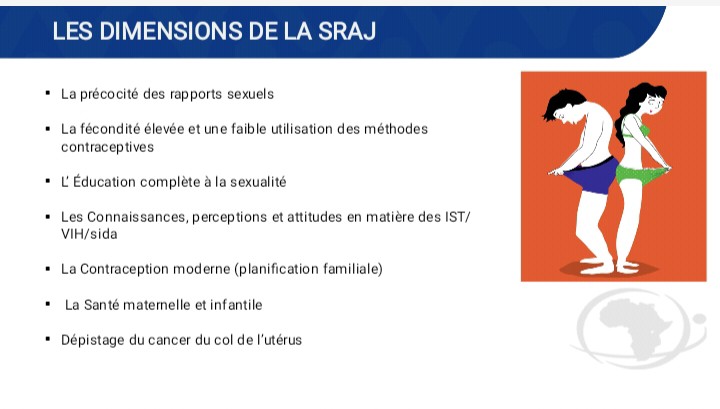
Une stratégie pour optimiser l’engagement des acteurs de la société civile du Partenariat de Ouagadougou
Depuis sa création, le Partenariat de Ouagadougou (PO) œuvre pour l’amélioration et la promotion de la santé reproductive et l’accès à l’information et aux services de planification familiale dans la sous région Ouest Africaine Francophone. Pour optimiser cette lutte, les Gouvernements, les donateurs du PO, et les partenaires de mise en œuvre locaux et internationaux se
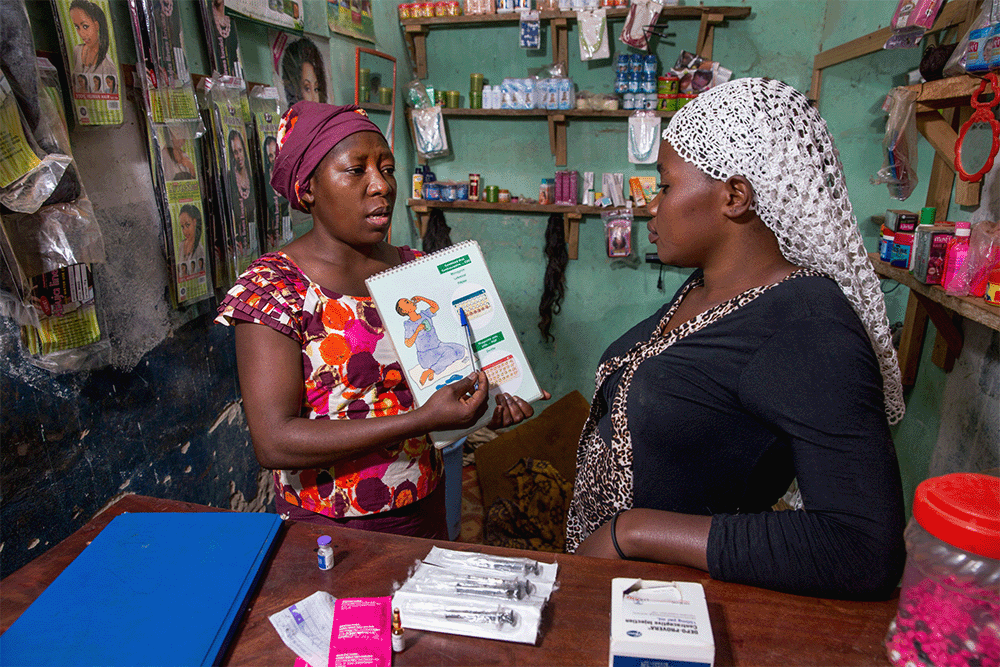
The Drug Shop Operators Handbook
In July 2021, USAID’s Research for Scalable Solutions (R4S) project, led by FHI 360, released the Drug Shop Operators' Provision of Injectable Contraception manual. The handbook shows how drug shop operators can coordinate with the public health system to safely provide an expanded method mix that includes injectables, as well as training for clients on self-injection.

Introducing 20 Essential Resources: Quality Contraceptive Implant Removal
The Implant Removal Task Force is excited to partner with Knowledge SUCCESS to bring you this curated collection of resources for contraceptive implant removal, highlighting a critical, yet often-overlooked, component of contraceptive implant scale-up.

Creating a Framework for Defining Quality for HCD in ASRH Programming
Human-Centered Design (HCD) is a relatively new approach towards transforming Sexual and Reproductive Health (SRH) outcomes for youth and adolescents. But what does "quality" look like when applying Human-Centered Design (HCD) to Adolescent Sexual and Reproductive Health (ASRH) programming?
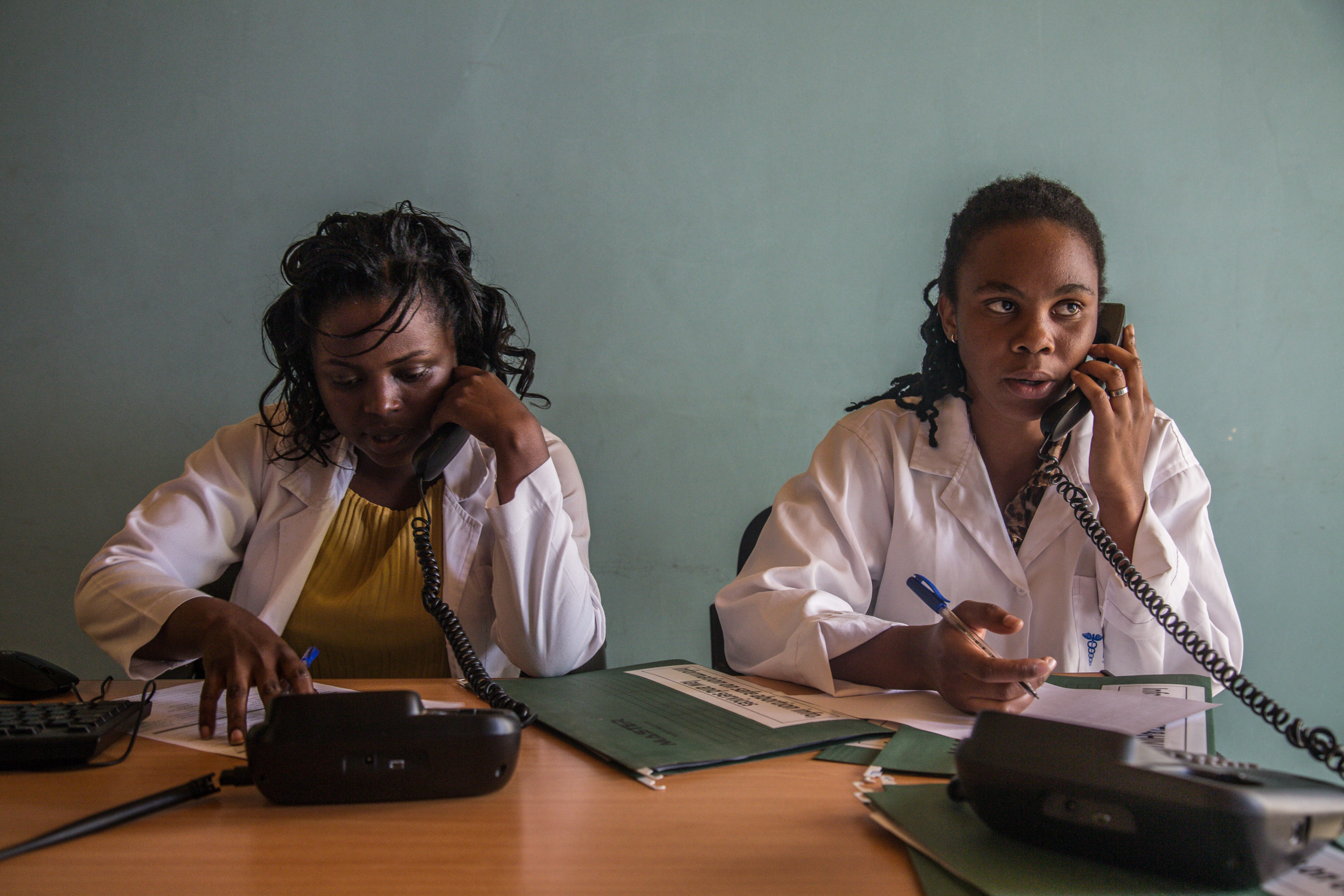
Improving Counseling Quality to Better Meet Women’s Contraceptive Needs
This article summarizes important findings from several Global Health: Science and Practice Journal articles that report on contraceptive method discontinuation and issues related to quality of care and counseling.

Condoms: A Tried-and-True Family Planning Innovation
Approximately 121 million unintended pregnancies occurred each year between 2015 and 2019. When used correctly, female condoms are 95% effective at preventing pregnancy and sexually transmitted infection. Male (external) condoms provide a nearly impermeable barrier to particles the size of STI pathogens and HIV and are 98% effective at pregnancy prevention when used properly. Condoms remain
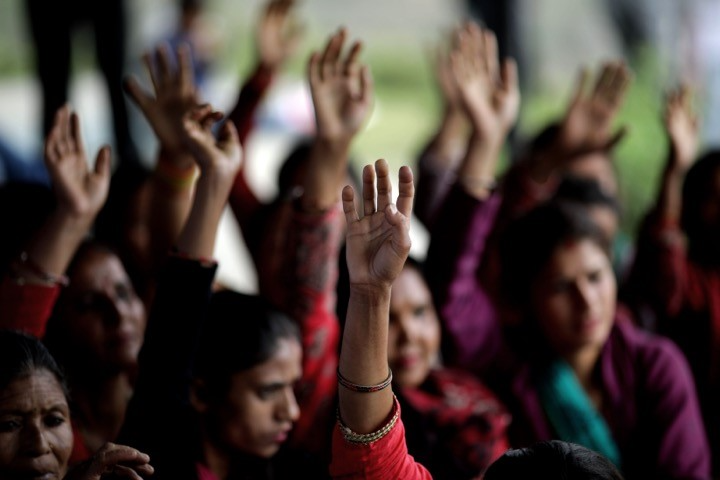
Family Planning Association Nepal Is Leaving No One Behind
Created in 1959, Family Planning Association Nepal (FPAN) is the country’s first national sexual and reproductive health service delivery and advocacy organization. Sixty-three years later, FPAN continues to ensure that family planning (FP) information and services are available and accessible to families—no matter their identity, ability, location, gender, or socioeconomic status.

Religious Leaders: Allies for the Well-Being of Youth and Women
This webinar highlighted the role of religious leaders as important allies in promoting positive social norms for the reproductive health and well-being of young people and women, as well as the importance of partnerships and coalitions in building transformative community dialogue for positive change. It was jointly organized by the Passages Project (Institute for Reproductive Health,

Making Gloves, Forceps, and Other Supplies More Than an Afterthought
Massive improvements in our family planning (FP) supply chains in recent years have generated an expanded and more reliable method choice for women and girls around the world. But while we celebrate such success, one nagging issue that warrants attention is the corresponding equipment and consumable supplies, like gloves and forceps, necessary to administer these contraceptives:

Introducing Connecting the Dots Between COVID-19 and Family Planning
Connecting the Dots Between Evidence and Experience combines the latest evidence with implementation experiences to help technical advisors and program managers understand emerging trends in family planning and inform adaptations to their own programs. The inaugural edition focuses on the impact of COVID-19 on family planning in Africa and Asia.