


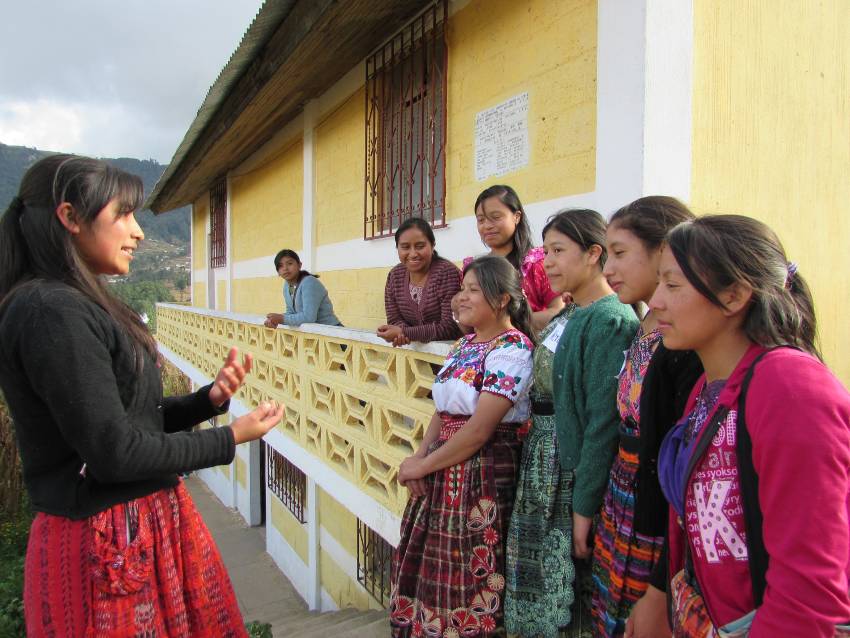
Reflecting on ICPD30: The Importance of Involving Youth in Reproductive Health Programs and Decision Making
Knowledge SUCCESS interviewed global health professionals on progress made since the 1994 ICPD Cairo Conference. The second in a three-part series features Eva Roca, Implementation Science Advisor on Gender Equity and Health at UC San Diego.
Reflecting on ICPD30: The Evolution of Inclusive Reproductive Health Since the 1994 Cairo Conference
Knowledge SUCCESS interviewed global health professionals on progress made since the 1994 ICPD Cairo Conference. The first in a three-part series features Mary Beth Powers, President and CEO of the Catholic Medical Mission Board.

Expanding Access to Integrated Health Services for Underserved Populations
Parkers Mobile Clinic (PMC360) is a Nigerian non-profit organization. It brings integrated health care services, including reproductive health services, to the doorsteps of people in rural and remote areas. In this interview, Dr. Charles Umeh, the founder of Parkers Mobile Clinic, highlights the organization’s focus—tackling health inequality and overpopulation to improve population, health, and environmental outcomes.
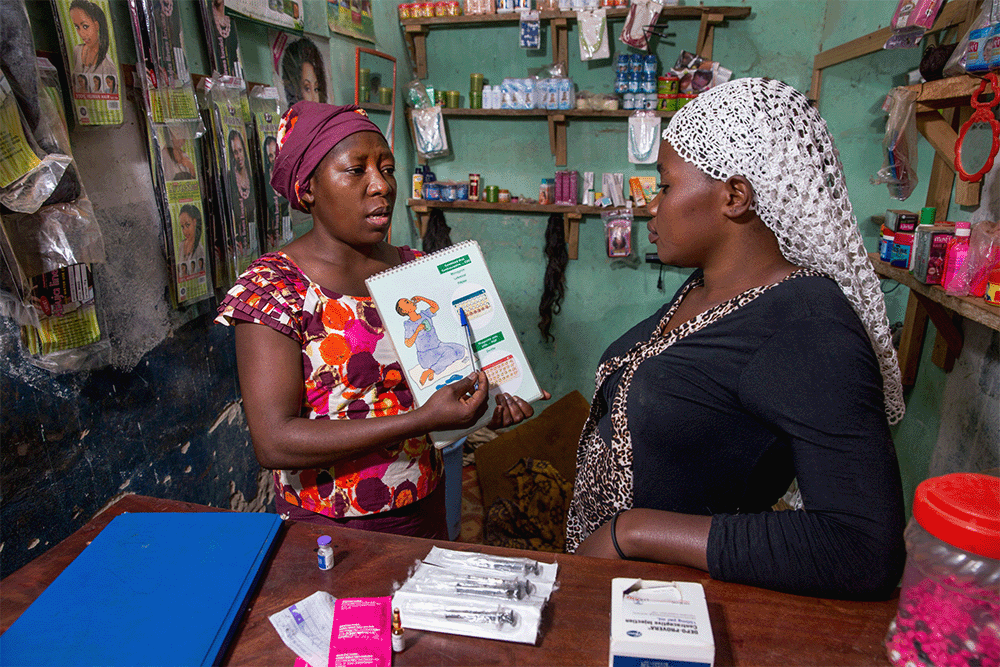
The Drug Shop Operators Handbook
In July 2021, USAID’s Research for Scalable Solutions (R4S) project, led by FHI 360, released the Drug Shop Operators' Provision of Injectable Contraception manual. The handbook shows how drug shop operators can coordinate with the public health system to safely provide an expanded method mix that includes injectables, as well as training for clients on self-injection.

Creating a Framework for Defining Quality for HCD in ASRH Programming
Human-Centered Design (HCD) is a relatively new approach towards transforming Sexual and Reproductive Health (SRH) outcomes for youth and adolescents. But what does "quality" look like when applying Human-Centered Design (HCD) to Adolescent Sexual and Reproductive Health (ASRH) programming?
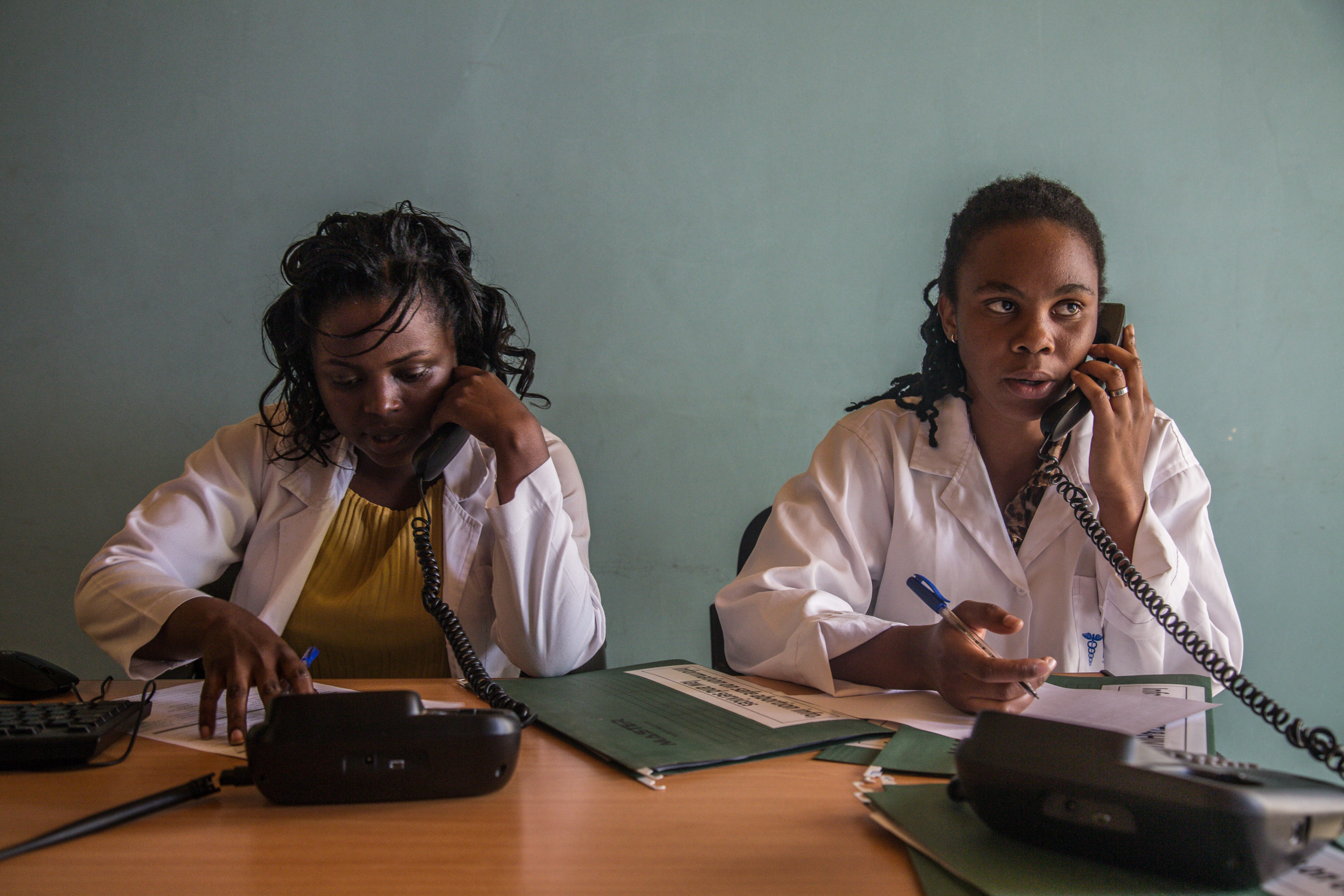
Improving Counseling Quality to Better Meet Women’s Contraceptive Needs
This article summarizes important findings from several Global Health: Science and Practice Journal articles that report on contraceptive method discontinuation and issues related to quality of care and counseling.
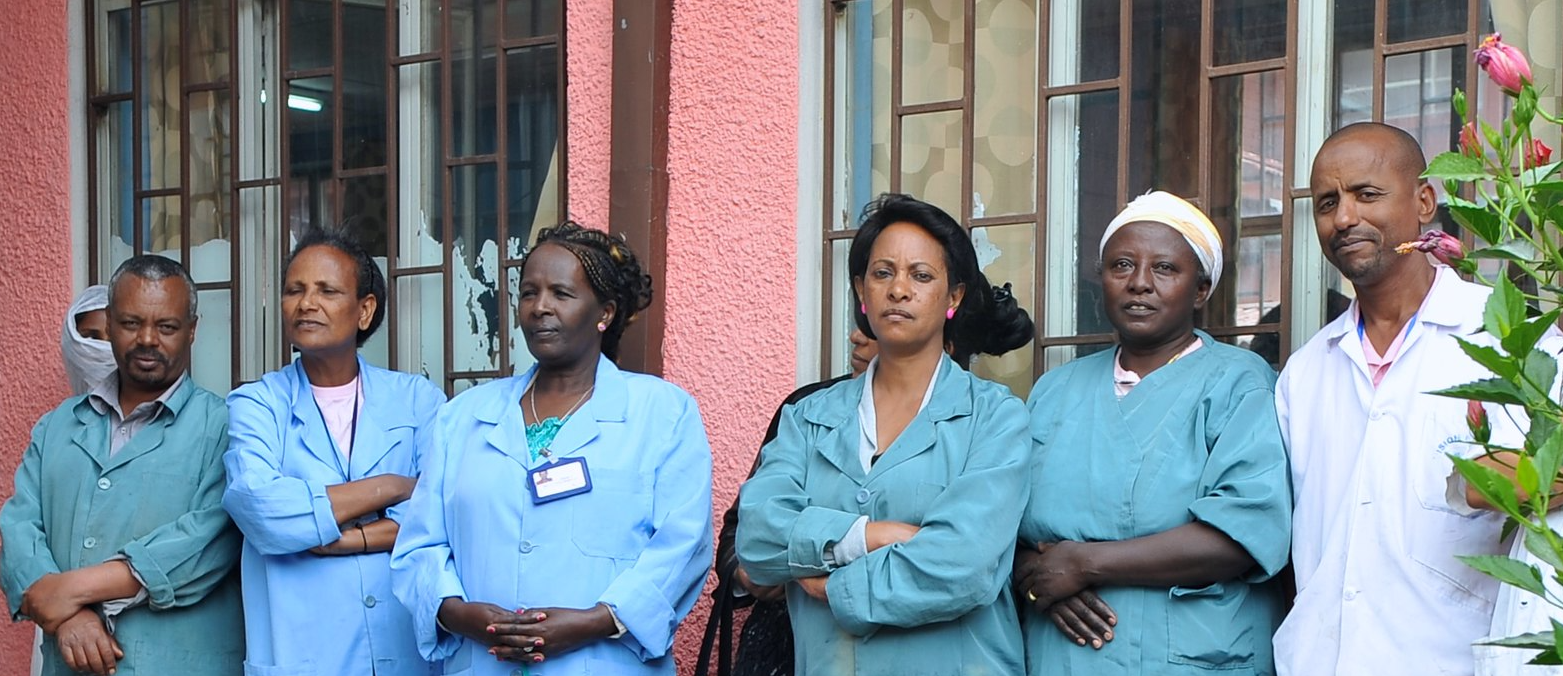
HIV and Contraceptive Service Integration for Female Sex Workers
Key populations, including female sex workers, face barriers to health care access that include stigma, criminalization, and gender-based violence. In many cases, these barriers can be mitigated by peer educators, who bring valuable insight and may engender trust with clients.

Récapitulatif : Conception de Programmes pour les Besoins Divers des Jeunes
Le 18 mars, Knowledge SUCCESS & FP2030 a co-organisé la deuxième session de la troisième série de conversations de la série Connecting Conversations, Une solution unique ne convient pas à tous : les services de santé reproductive au sein du système de santé élargi doivent répondre aux divers besoins des jeunes. Cette session s'est concentrée sur

Empathways: Improving the Relationship Between Healthcare Providers and Young People
A major barrier to young people’s access and use of family planning is mistrust. This new tool leads providers and young potential clients through a process that addresses this barrier by fostering empathy, creating opportunities to improve youth family planning service delivery.

Reflections on advances in DMPA-SC and self-injection
FHI 360’s Catherine Packer shares a personal perspective on DMPA-SC’s past ten years, from early research to recent workshops. Since its introduction—and particularly since it became available for self-injection—DMPA-SC has become an important part of the global family planning and reproductive health landscape.