


Worldwide Self-Care Trends and Future in West Africa
Self-care for sexual and reproductive health has advanced significantly in the last two years, following the publication of the World Health Organization's (WHO) self-care guidelines in 2018, recently updated in 2022. According to Senior Technical Advisor for Self-Care Sarah Onyango, remarkable progress has been made at national levels, with several countries developing and adopting national self-care
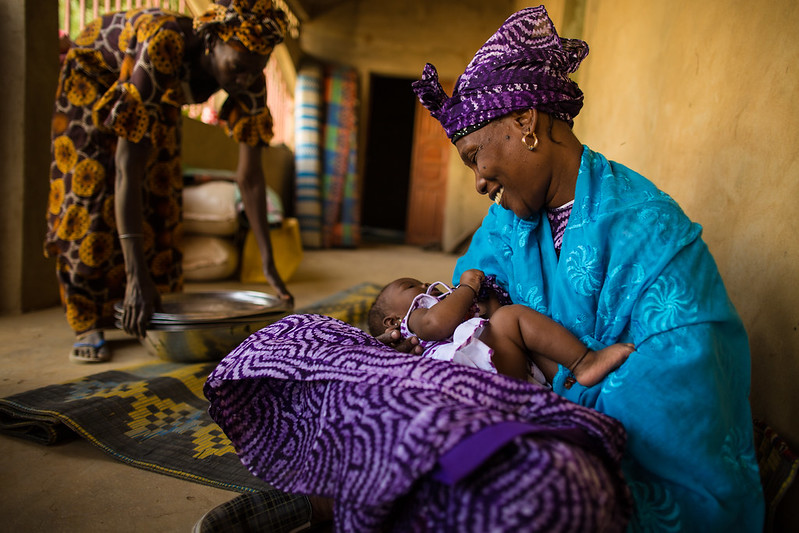
Intégrer La Gestion Des Connaissances Dans Les Directives D’Autosoins Du Senegal
Obtenez des perspectives sur le rôle essentiel des directives d'auto-soins du Sénégal et leur impact sur les objectifs de santé reproductive. Plongez également dans l'intersection entre la gestion des connaissances et les directives d'auto-soins, mettant en lumière les efforts collaboratifs entre le Sénégal et Knowledge SUCCESS.

How Can Behavioral Determinant Data Inform Family Planning SBC Programs and Policies?
Breakthrough RESEARCH shares the importance of collecting behavioral determinant data to inform family planning social and behavior change (SBC) programs and policies.

Faire avancer l’autosoin au Sénégal
Dans le contexte de la pandémie de Covid, l’autosoin est apparu comme une approche pratique et importante permettant de réduire la pression sur les systèmes de santé mis à rude épreuve, de réduire les inégalités d'accès à la santé et d'améliorer les résultats en matière de santé, en particulier pour les plus vulnérables. Promouvoir l’autosoin à

Kenya Includes Contraceptive Injections in Its Pharmacist Training Package
Working alongside family planning advocates, Jhpiego Kenya applied the nine-step SMART advocacy approach to engage stakeholders in the creation of a new pharmacist training package. The updated curriculum includes that includes instruction on providing contraceptive injectables DMPA-IM and DMPA-SC.
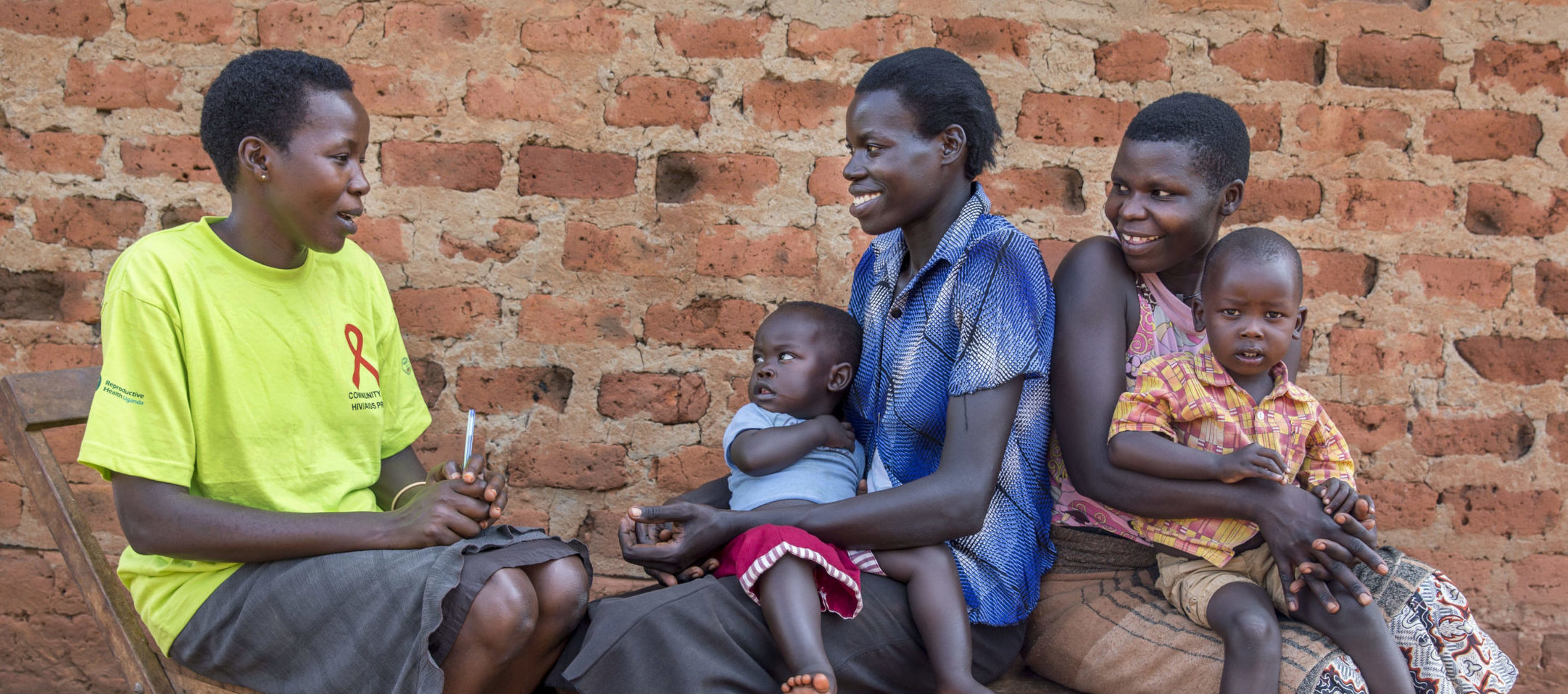
Advancing Self-Care in Uganda
Health care systems across the globe have always been based on a provider-to-client model. However, the introduction of new technology and products, and the increasing ease of access to information, has caused a shift in how health services can be delivered—placing clients at the center of health care. Various health areas, including sexual and reproductive health

Reflections on advances in DMPA-SC and self-injection
FHI 360’s Catherine Packer shares a personal perspective on DMPA-SC’s past ten years, from early research to recent workshops. Since its introduction—and particularly since it became available for self-injection—DMPA-SC has become an important part of the global family planning and reproductive health landscape.

Implementing DMPA-SC Self-Injection During COVID-19 in Four Francophone Countries
Recap of a webinar on high-impact approaches to support the introduction and scale-up of the self-injectable contraceptive DMPA-SC in Francophone family planning programs in Burkina Faso, Guinea, Mali, and Togo.

Lessons from Ghana to Inform DMPA-SC Safe Storage and Disposal
Providing women with containers for DMPA-subcutaneous (DMPA-SC) storage and sharps can help to encourage safe self-injection practices at home. Improper disposal in pit latrines or open spaces remains an implementation challenge to safely scaling this popular and highly effective method. With training from health providers and a provided puncture-proof container, self-injection clients enrolled in a pilot
Expériences de Mise En Œuvre de l’Auto-Injection du DMPA-SC Pendant COVID-19 dans quatre pays Francophones
Recapulatif du webinaire sur les approches à haut impact pour l’introduction et le passage à l’échelle de l'utilisation de la contraception auto-injectable.