



New Tool for Integrating Knowledge Management in Family Planning Costed Implementation Plans
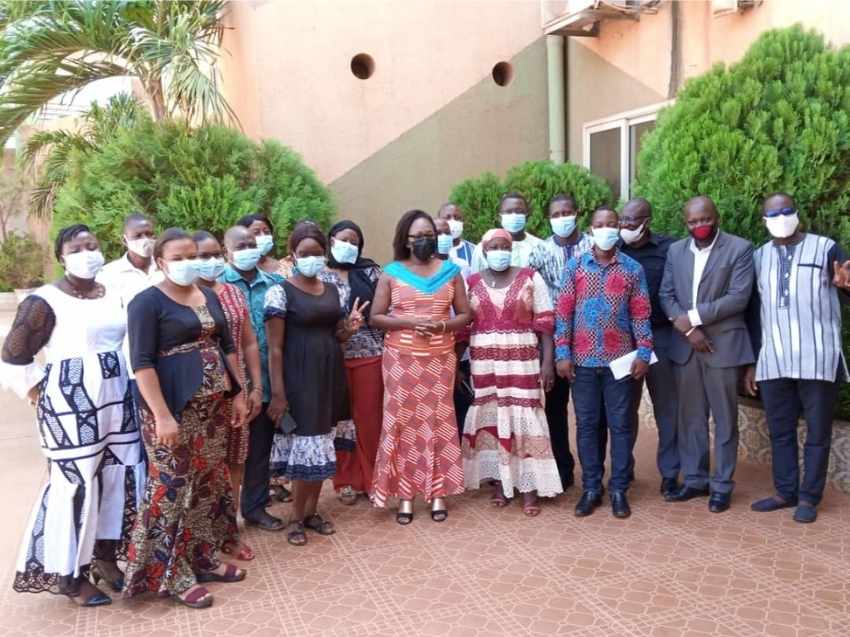
Knowledge SUCCESS developed a tool that helps countries to assess the way they develop, implement, and evaluate their family planning Costed Implementation Plans and ensure that knowledge management is integrated throughout the process.
Why Knowledge Management Matters for Family Planning Costed Implementation Plans
Knowledge SUCCESS conducted an assessment of how knowledge management was integrated into Costed Implementation Plans in five West African countries. The findings revealed multifaceted ways that KM contributes to stronger FP/RH outcomes and more efficient use of limited resources.
Création d’une nouvelle CdP sur le changement climatique et la santé reproductive
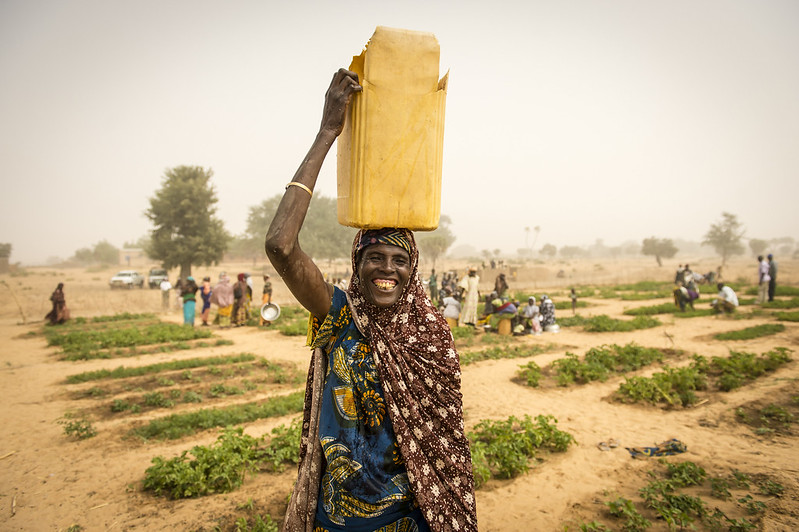
Le 11 juin 2024, le projet Knowledge SUCCESS a facilité une session bilingue d'assistance par les pairs entre une communauté de pratique (CdP) nouvellement formée sur la santé reproductive, le changement climatique et l'action humanitaire soutenue par Niger Jhpiego et TheCollaborative.
Building a new CoP for Climate Change and Reproductive Health
On June 11, 2024, the Knowledge SUCCESS project facilitated a bilingual peer assist session between a newly-formed community of practice (CoP) on reproductive health, climate change, and humanitarian action supported by Niger Jhpiego and the East Africa CoP, TheCollaborative.

Worldwide Self-Care Trends and Future in West Africa
Self-care for sexual and reproductive health has advanced significantly in the last two years, following the publication of the World Health Organization's (WHO) self-care guidelines in 2018, recently updated in 2022. According to Senior Technical Advisor for Self-Care Sarah Onyango, remarkable progress has been made at national levels, with several countries developing and adopting national self-care

Spotlight on FP2030 Family Planning Commitments
Through a long-term partnership, FP2030 and Knowledge SUCCESS have used KM techniques to summarize country commitments in shareable formats that anyone can easily understand and expand documentation expertise among FP2030 Focal Points.
Planification familiale post-partum intégrée à la SMNI et à la nutrition
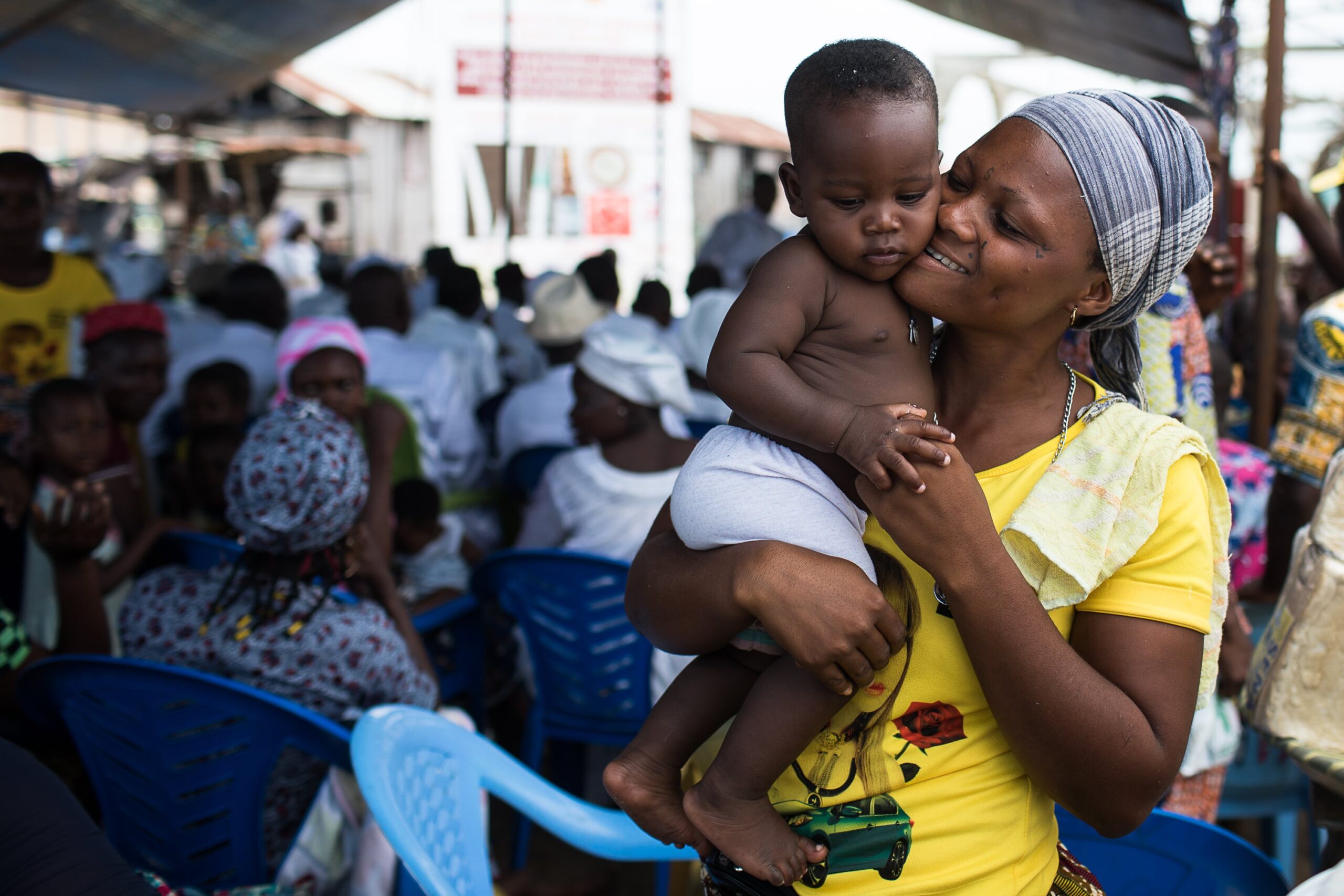
La Communauté de pratique (CdP) régionale d'Afrique de l'Ouest pour la planification familiale du post-partum (PPFP) intégrée à la santé et à la nutrition de la mère, du nouveau-né et de l'enfant (MNCH-N), en partenariat avec le réseau IBP et Knowledge SUCCESS, a organisé un webinaire sur les meilleures pratiques et les leçons apprises en Afrique
Burkina Faso and Niger: Improving Family Planning Outcomes through Knowledge Management
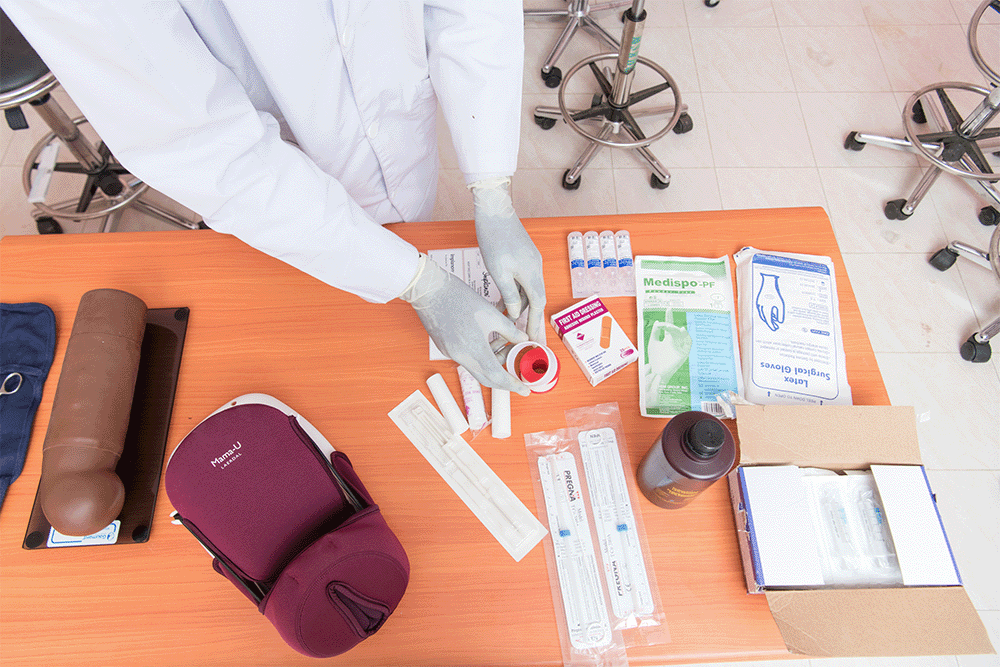
In collaboration with Breakthrough Action in West Africa, Knowledge SUCCESS assisted Burkina Faso and Niger in including KM in their CIPs.

Is Better Measurement the Key to Increased Investment in Social and Behavior Change for Voluntary Family Planning in Francophone West Africa?
Social and behavior change (SBC) approaches can increase the use of modern contraceptives by addressing the attitudes and social norms that influence demand. However, they often do not receive attention, partly because many practitioners are not effectively measuring their SBC efforts. Breakthrough ACTION interviewed voluntary family planning stakeholders in West Africa to learn why.

Program Briefs: Changing Attitudes to Shift Contraceptive Demand
When it comes to family planning and reproductive health (FP/RH) programming, encouraging behavior change starts by understanding what shapes consumer decisions. Because when we truly understand the core attitudes that influence – and at times, limit – how people perceive contraception, we can better design and deliver solutions that serve their needs.