


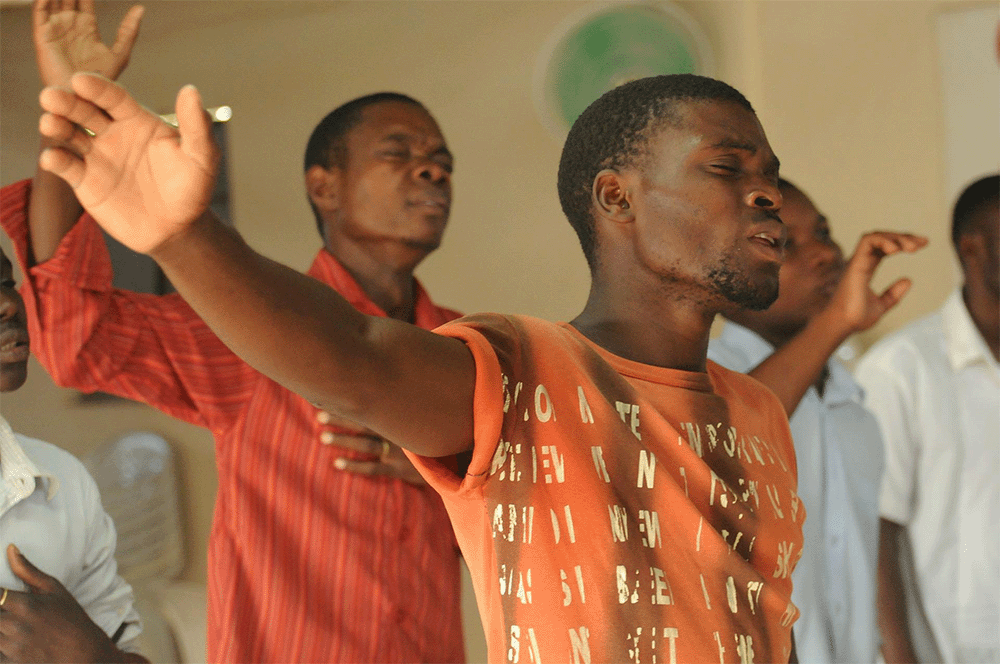
Youth, Faith, and Contraception in Francophone Africa
In francophone Africa, young people ages 15–24 have difficulty accessing quality family planning (FP) information and services. In addition, they have a higher contraceptive discontinuation rate than older women and are particularly sensitive to adverse effects. In March 2022, Population Reference Bureau (PRB) convened a series of four webinars as a follow-up to the dialogue on
Jeunesse, Religion et Contraception en Afrique francophone
En Afrique francophone, les jeunes âgés de 15 à 24 ans ont difficilement accès aux informations et services de planification familiale (PF) de qualité. De plus, ils affichent un taux d’abandon de la contraception supérieur à celui de leurs aînées et sont particulièrement sensibles aux effets indésirables. En mars 2022, PRB a tenu une série de
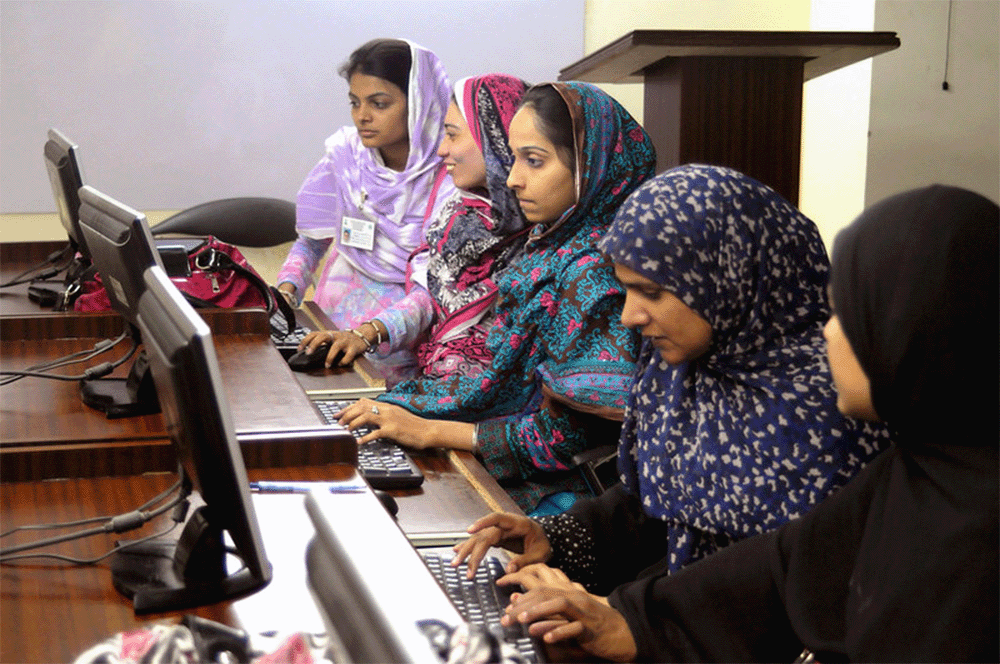
Early Adoption of AI in Family Planning Programs
Increasing investments in emerging technologies across low- and-middle income countries have created unprecedented opportunities to leverage digital innovations to enhance voluntary family planning programs. In particular, the use of artificial intelligence (AI) to gain new insights into family planning and optimize decision-making can have a lasting impact on programs, services, and users. Current advances in AI
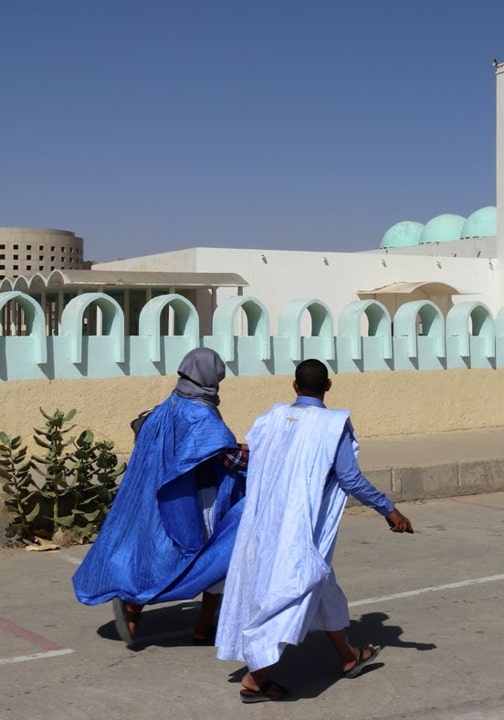
Religious Leaders: Allies for the Well-Being of Youth and Women
This webinar highlighted the role of religious leaders as important allies in promoting positive social norms for the reproductive health and well-being of young people and women, as well as the importance of partnerships and coalitions in building transformative community dialogue for positive change. It was jointly organized by the Passages Project (Institute for Reproductive Health,

Récapitulatif : S’adapter pour répondre aux besoins changeants des jeunes
Le 29 avril, Knowledge SUCCESS & FP2030 a organisé la quatrième et dernière session de la troisième série de conversations de la série Connecting Conversations, Une taille unique ne convient pas à tous : les services de santé reproductive au sein du système de santé élargi doivent répondre aux divers besoins des jeunes. Cette session s'est

Le maintien de l’utilisation de la contraception chez les jeunes en Afrique de l’Ouest
Ce dialogue politique virtuel a discutait les obstacles à l’utilisation durable de la contraception chez les jeunes et à créer des opportunités de collaboration entre les organisations dirigées par des jeunes, les journalistes et les jeunes chercheurs.
Sustaining Youth Contraceptive Use in West Africa
PACE convened a two-hour virtual policy dialogue on youth contraceptive discontinuation in West Africa on May 26, 2021. The event aimed to increase regional policymakers’ commitment to addressing the barriers to sustained contraceptive use among youth and forge collaboration opportunities for youth-led organizations, journalists, and young researchers.

Seven Lessons in Sustainability and Scalability for Digital Health Solutions
Recent updates to digital health case studies highlight ways programs have changed in the past decade, revealing insights on sustainability and scalability.
Recap: Adapting to Meet Young People’s Needs as they Grow
On April 29th, Knowledge SUCCESS & Family Planning 2030 (FP2030) hosted the fourth and final session in the third set of conversations in the Connecting Conversations series, One Size Does Not Fit All: Reproductive Health Services Within the Greater Health System Must Respond to Young People’s Diverse Needs. This session focused on how health systems can
Addressing Obstacles to Contraceptive Continuation Among Young People
Addressing obstacles to contraceptive continuation: The PACE project’s policy brief, Best Practices for Sustaining Youth Contraceptive Use, explores the unique patterns and drivers of contraceptive discontinuation among youth based on a new analysis of Demographic and Health Survey and Service Provision Assessment data. Key findings and recommendations include policy and program strategies to address obstacles to