


Leveraging the Private Sector to Expand Access to Contraception in the Era of Decreasing Donor Funding
Historically subsidized by donors, FP services are now exploring new financing methods and delivery models to build resilient reproductive health systems. Learn how these countries are leveraging private sector contributions to expand the reach of FP services and meet their FP goals. Read more about these innovative approaches in our latest blog post.
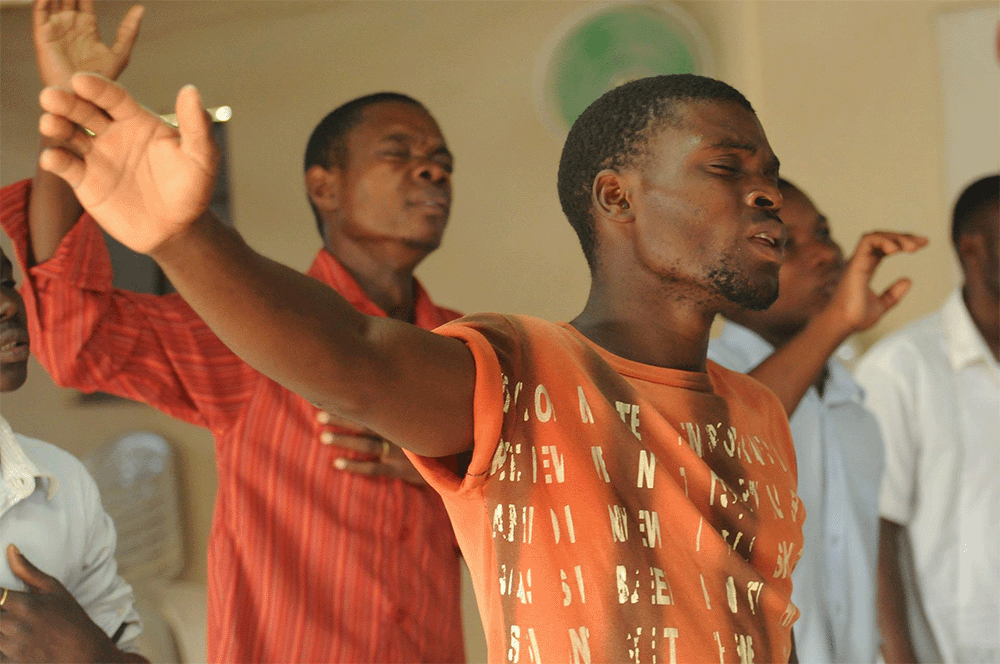
Youth, Faith, and Contraception in Francophone Africa
In francophone Africa, young people ages 15–24 have difficulty accessing quality family planning (FP) information and services. In addition, they have a higher contraceptive discontinuation rate than older women and are particularly sensitive to adverse effects. In March 2022, Population Reference Bureau (PRB) convened a series of four webinars as a follow-up to the dialogue on
Jeunesse, Religion et Contraception en Afrique francophone
En Afrique francophone, les jeunes âgés de 15 à 24 ans ont difficilement accès aux informations et services de planification familiale (PF) de qualité. De plus, ils affichent un taux d’abandon de la contraception supérieur à celui de leurs aînées et sont particulièrement sensibles aux effets indésirables. En mars 2022, PRB a tenu une série de
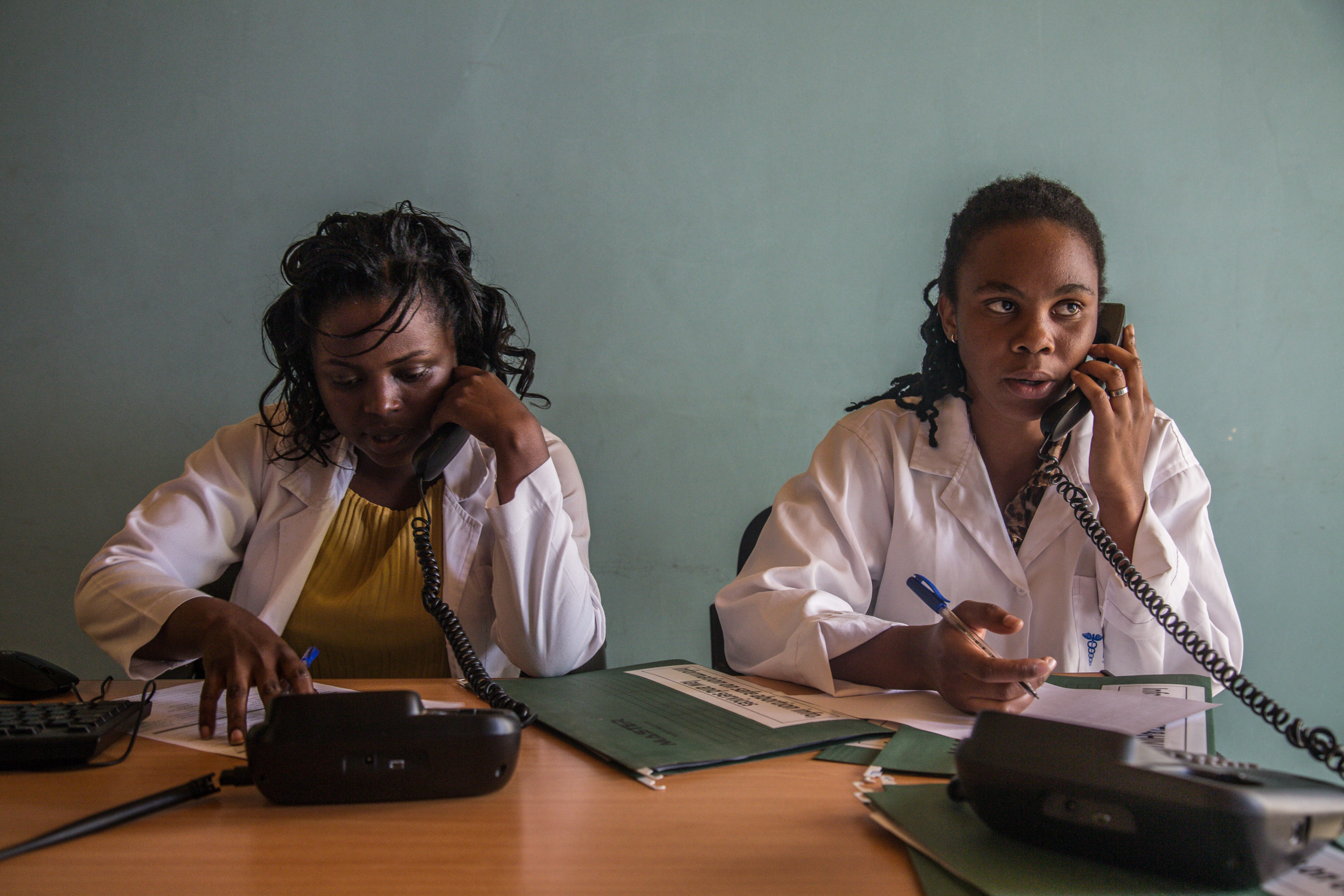
Improving Counseling Quality to Better Meet Women’s Contraceptive Needs
This article summarizes important findings from several Global Health: Science and Practice Journal articles that report on contraceptive method discontinuation and issues related to quality of care and counseling.
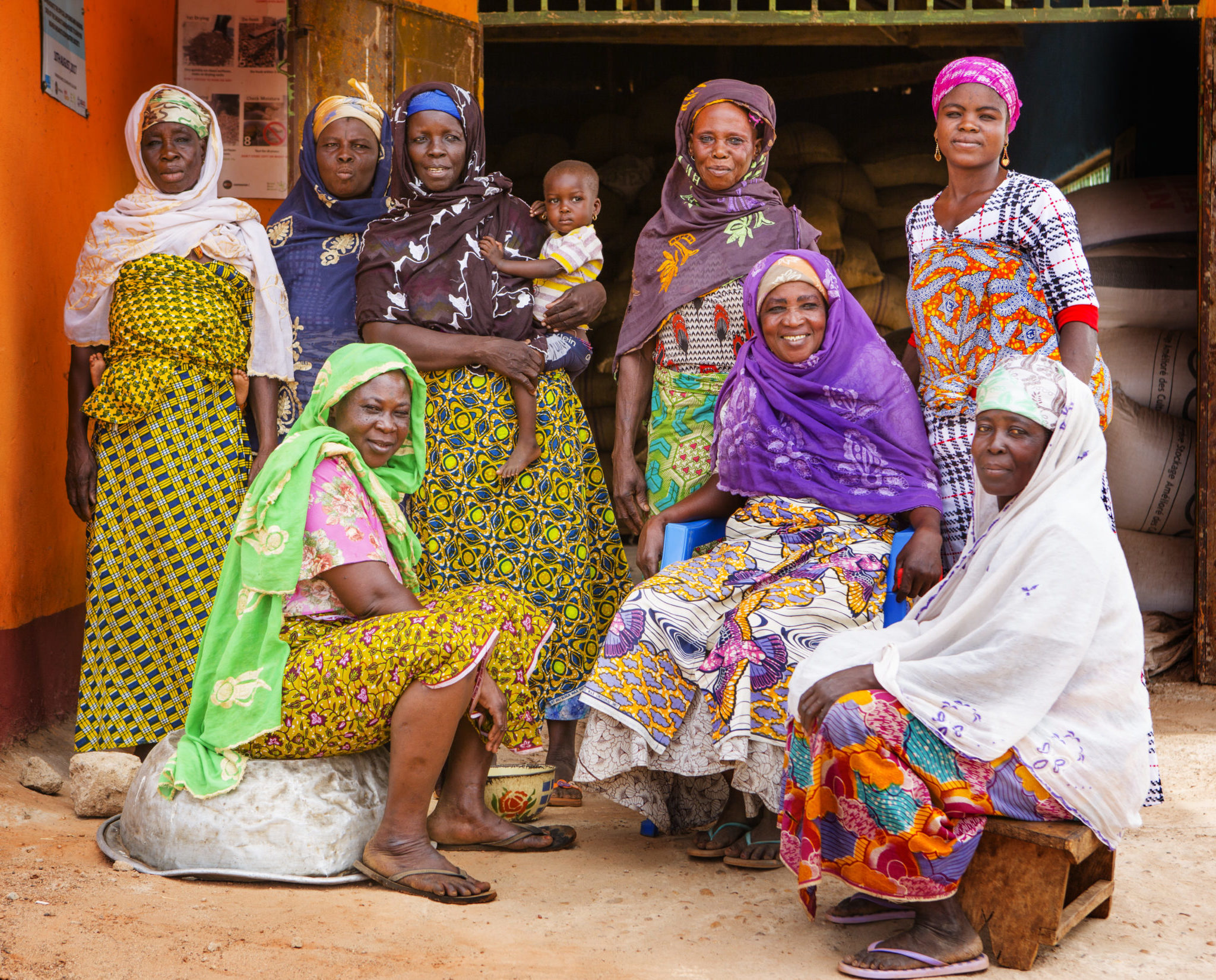
Fertility Awareness-Based Method Use in Ghana
A recent Global Health: Science and Practice (GHSP) article examined the use of fertility awareness-based methods (FABMs) in Ghana to gain knowledge on women who use them to avoid pregnancy. Few studies in low- and middle-income countries have estimated the use of FABM. Understanding who is using these methods contributes to family planning/reproductive health program professionals’

Addressing Obstacles to Contraceptive Continuation Among Young People
Addressing obstacles to contraceptive continuation: The PACE project’s policy brief, Best Practices for Sustaining Youth Contraceptive Use, explores the unique patterns and drivers of contraceptive discontinuation among youth based on a new analysis of Demographic and Health Survey and Service Provision Assessment data. Key findings and recommendations include policy and program strategies to address obstacles to

Recap of Webinar on “Reimagining Method Choice in the Era of Self-Care”
On September 17, the Method Choice Community of Practice, led by the Evidence to Action (E2A) Project, hosted a webinar on the intersection of two important voluntary family planning areas—method choice and self-care. Missed this webinar? Read on for a recap, and follow the links below to watch the recording.