


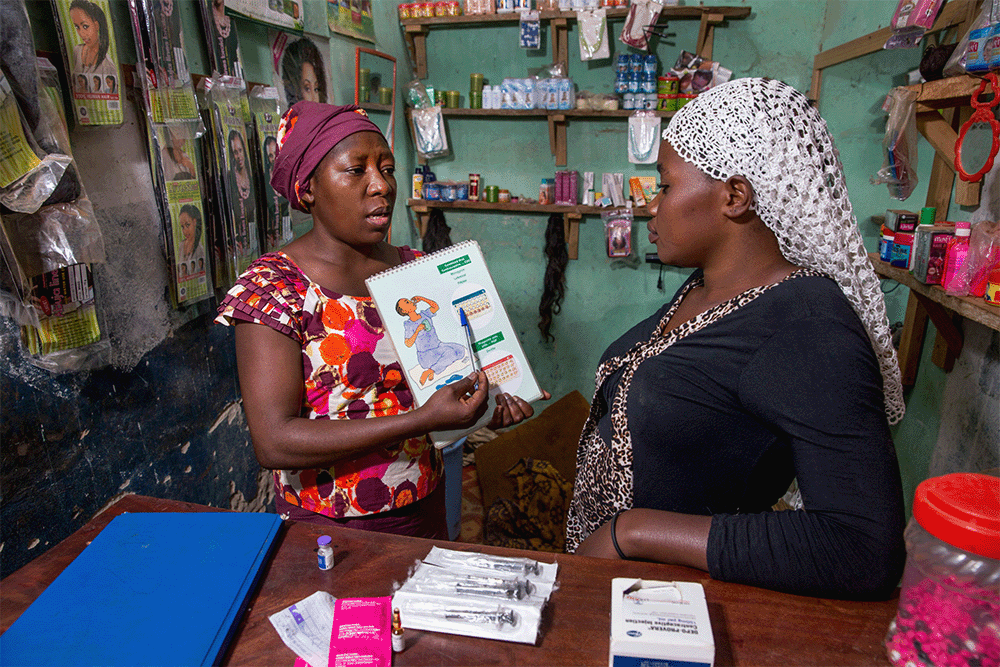
The Drug Shop Operators Handbook
In July 2021, USAID’s Research for Scalable Solutions (R4S) project, led by FHI 360, released the Drug Shop Operators' Provision of Injectable Contraception manual. The handbook shows how drug shop operators can coordinate with the public health system to safely provide an expanded method mix that includes injectables, as well as training for clients on self-injection.

Introducing 20 Essential Resources: Quality Contraceptive Implant Removal
The Implant Removal Task Force is excited to partner with Knowledge SUCCESS to bring you this curated collection of resources for contraceptive implant removal, highlighting a critical, yet often-overlooked, component of contraceptive implant scale-up.

Creating a Framework for Defining Quality for HCD in ASRH Programming
Human-Centered Design (HCD) is a relatively new approach towards transforming Sexual and Reproductive Health (SRH) outcomes for youth and adolescents. But what does "quality" look like when applying Human-Centered Design (HCD) to Adolescent Sexual and Reproductive Health (ASRH) programming?

Ensuring Continuity of Essential FP/RH Services During Emergencies
In November-December 2021, family planning and reproductive health (FP/RH) workforce members based in Asia convened virtually for the third Knowledge SUCCESS Learning Circles cohort. The cohort focused on the topic of ensuring continuity of essential FP/RH services during emergencies.

Le Partenariat de Ouagadougou tient son deuxième dialogue régional des jeunes
Le Partenariat de Ouagadougou (PO) a tenu la deuxième édition de son dialogue régional des jeunes du 13 au 15 septembre 2021 à Abidjan. Sous le thème " Les jeunes agissent pour populariser des normes sociales favorables à la SRA ", le PO et ses partenaires ont produit des supports de communication adaptés pour faciliter l'accès
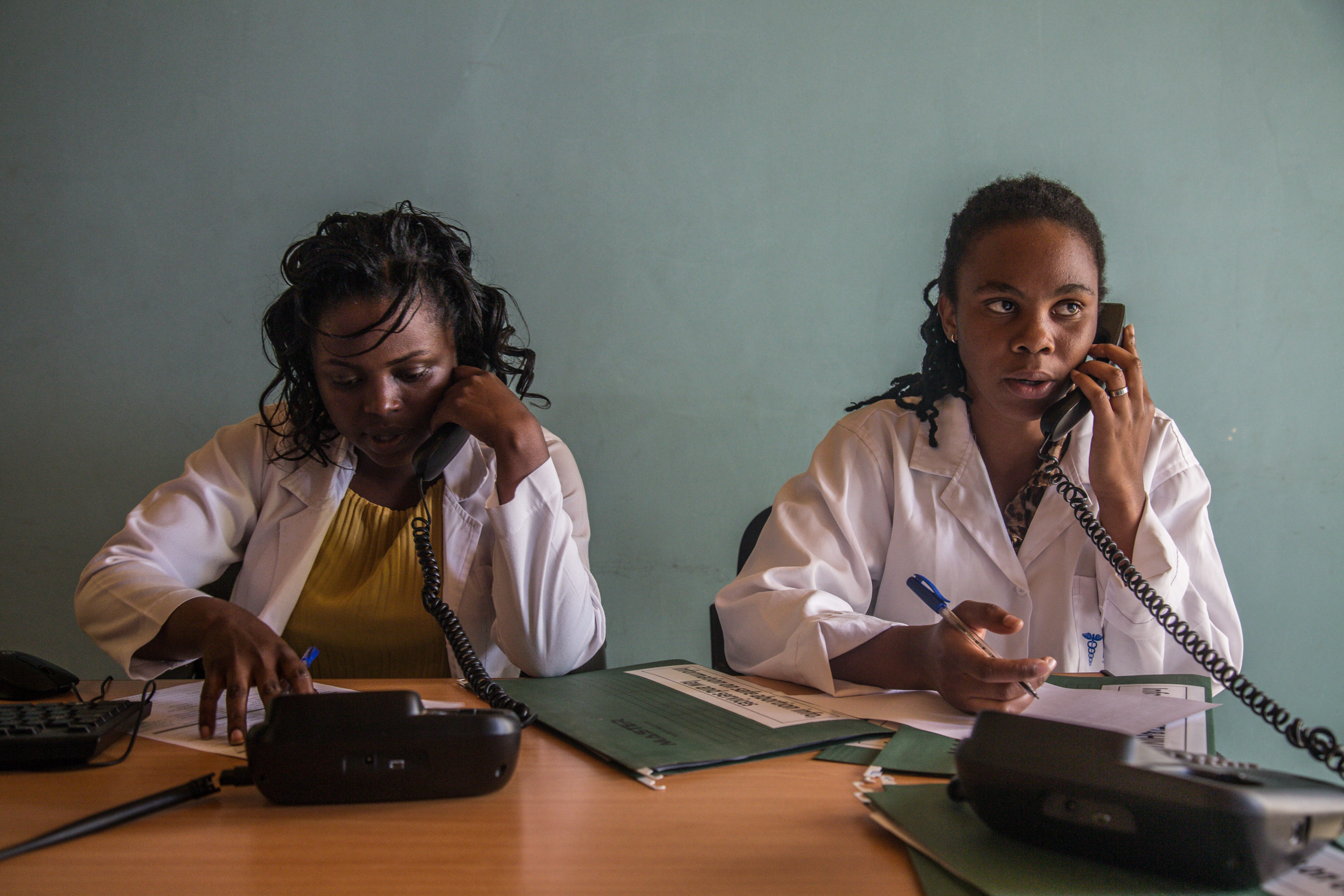
Improving Counseling Quality to Better Meet Women’s Contraceptive Needs
This article summarizes important findings from several Global Health: Science and Practice Journal articles that report on contraceptive method discontinuation and issues related to quality of care and counseling.

Condoms: A Tried-and-True Family Planning Innovation
Approximately 121 million unintended pregnancies occurred each year between 2015 and 2019. When used correctly, female condoms are 95% effective at preventing pregnancy and sexually transmitted infection. Male (external) condoms provide a nearly impermeable barrier to particles the size of STI pathogens and HIV and are 98% effective at pregnancy prevention when used properly. Condoms remain