


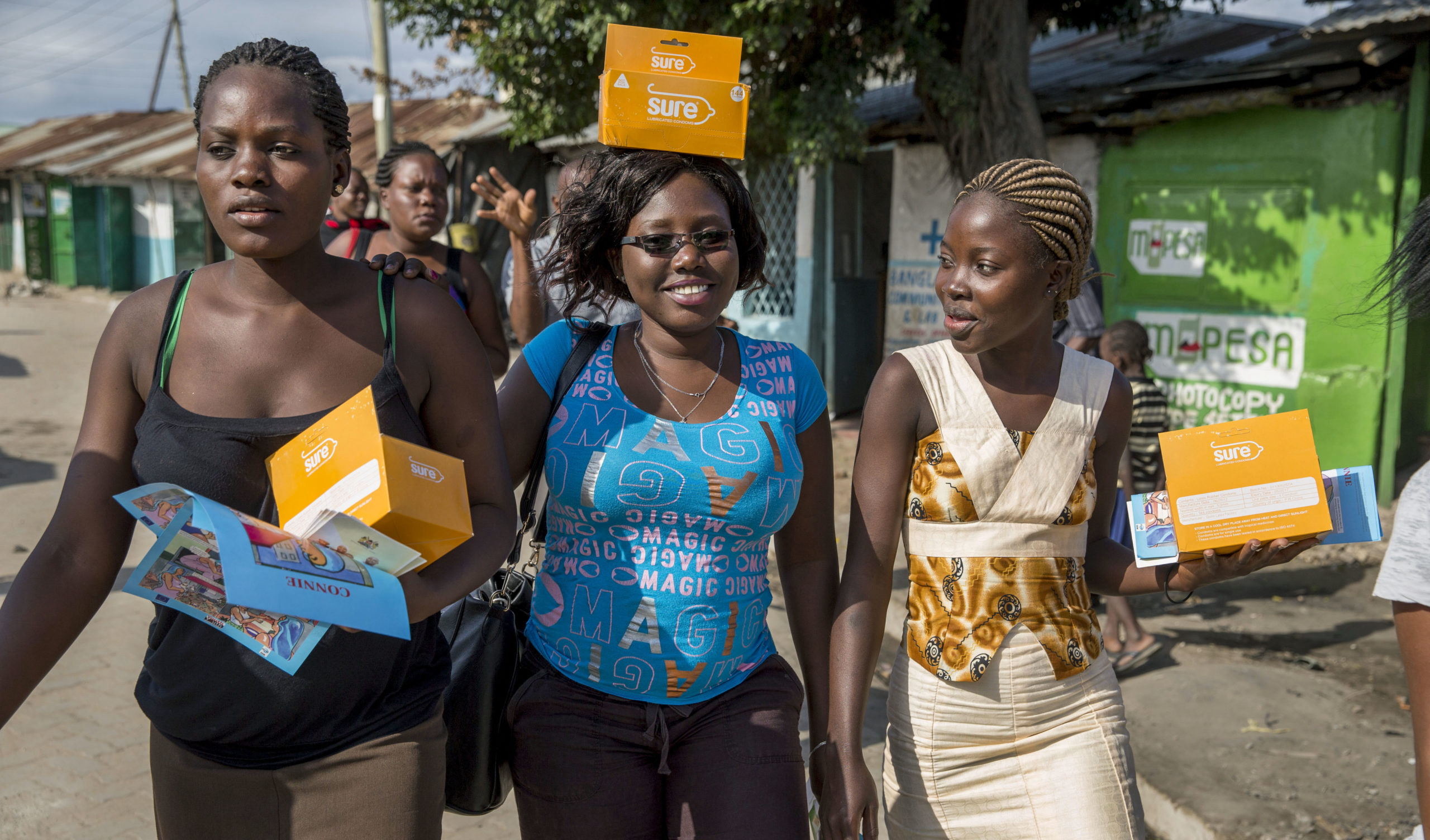
Accelerating Young People’s Access to Contraceptive Services
Pharmacies play a critical role in providing access to reproductive health services in low-resource settings in Kenya. Without this private-sector resource, the country would not be able to meet the needs of its young people. Kenya’s National Family Planning Guidelines for Service Providers allow pharmacists and pharmaceutical technologists to counsel, dispense, and provide condoms, pills, and
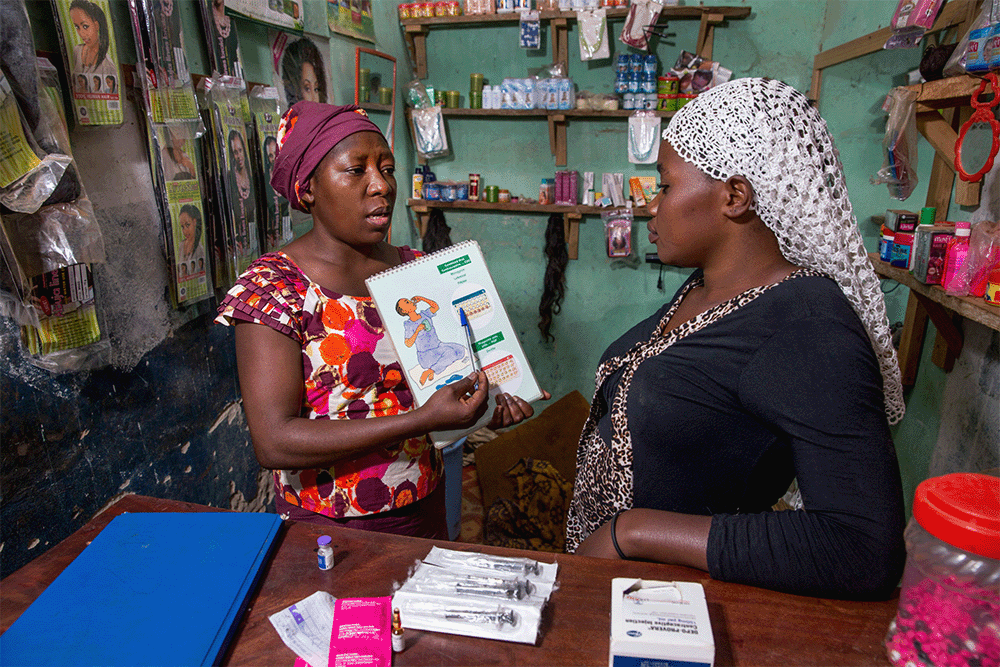
The Drug Shop Operators Handbook
In July 2021, USAID’s Research for Scalable Solutions (R4S) project, led by FHI 360, released the Drug Shop Operators' Provision of Injectable Contraception manual. The handbook shows how drug shop operators can coordinate with the public health system to safely provide an expanded method mix that includes injectables, as well as training for clients on self-injection.

Engaging Drug Shops: Critical to Increasing Family Planning Access
Donors and a small group of implementing partners are working to understand how to best support and involve drug shops as safe and reliable family planning providers. Expanding the broader community of family planning professionals’ understanding of the drug shop operators’ impact is going to be important for ensuring a supportive policy and programmatic environment for

What’s the Potential for Drug Shops to Improve Access to Injectables?
Injectables are the most popular family planning method in Uganda but, until recently, were offered only by community health workers and at health facilities and hospitals. In contrast, the country’s 10,000 drug shops, which provide greater access in hard-to-reach rural areas, were authorized to supply only short-acting, nonprescription methods. FHI 360 supported the government of Uganda