


Empowering Young People to Make Healthy Sexual and Reproductive Health Choices: Lessons from Heroes for Gender Transformative Action in Uganda
Knowledge SUCCESS, in collaboration with the WHO/IBP Network, is featuring implementation stories that showcase implementers who have successfully navigated complexities to deliver impactful outcomes. This feature story on the Heroes for Gender Transformative Action Program (Heroes4GTA).

Sustaining PHE Activities in Kenya and Uganda: Webinar Recap
In 2022, Knowledge SUCCESS collaborated with 128 Collective (formerly Preston-Werner Ventures) to conduct a rapid stock-taking exercise to document the impact of HoPE-LVB, an integrated Population, Health, and Environment (PHE) project in Kenya and Uganda. During a recent webinar, panelists shared how HoPE-LVB activities continue in the two countries.
In Uganda, a New Approach to Ending Sexual and Gender Based Violence: Training Men
Women continue to experience various forms of violence across Uganda, can training men help to shatter cultural perceptions of gender and correspondingly work to prevent gender based violence?
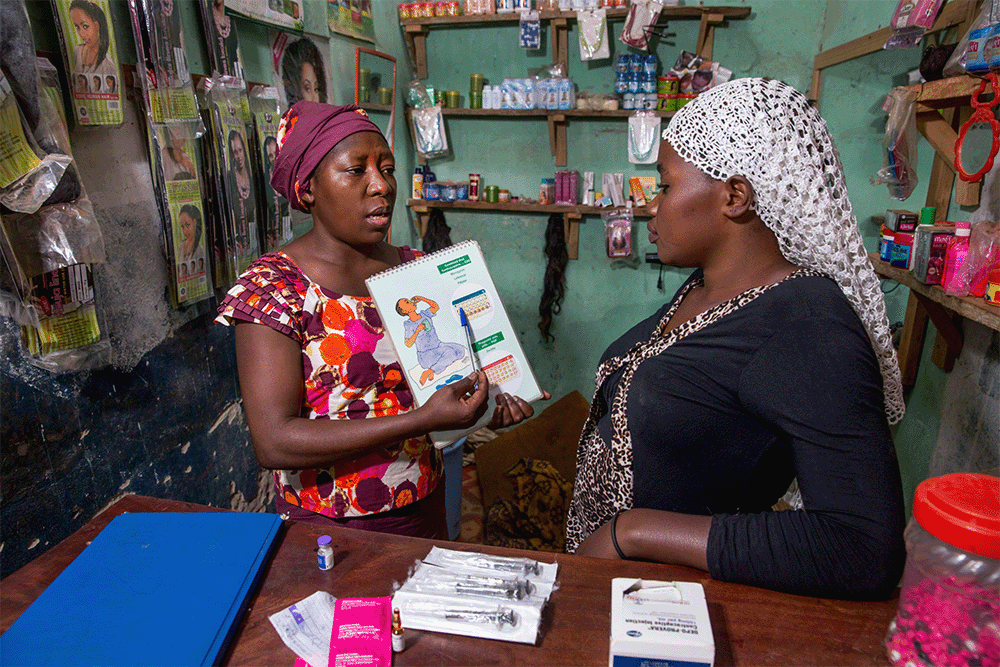
The Drug Shop Operators Handbook
In July 2021, USAID’s Research for Scalable Solutions (R4S) project, led by FHI 360, released the Drug Shop Operators' Provision of Injectable Contraception manual. The handbook shows how drug shop operators can coordinate with the public health system to safely provide an expanded method mix that includes injectables, as well as training for clients on self-injection.

Making Gloves, Forceps, and Other Supplies More Than an Afterthought
Massive improvements in our family planning (FP) supply chains in recent years have generated an expanded and more reliable method choice for women and girls around the world. But while we celebrate such success, one nagging issue that warrants attention is the corresponding equipment and consumable supplies, like gloves and forceps, necessary to administer these contraceptives:
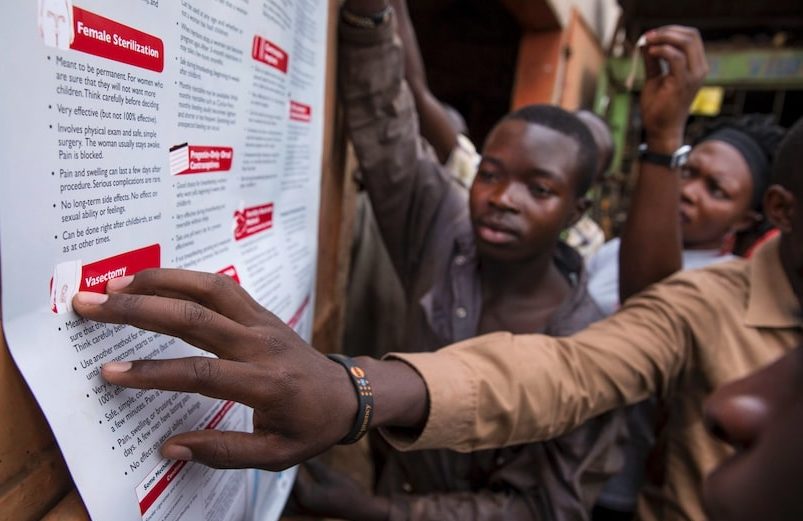
AYSRH in Uganda During the COVID-19 Pandemic
The COVID-19 pandemic has disordered the livelihoods of adolescents and young people across Uganda’s communities in many ways. With the first COVID-19 wave in March 2020 came the adoption of containment measures, such as the closure of schools, movement restrictions, and self-isolation. As a result, the health and well-being of young people, especially adolescent and youth
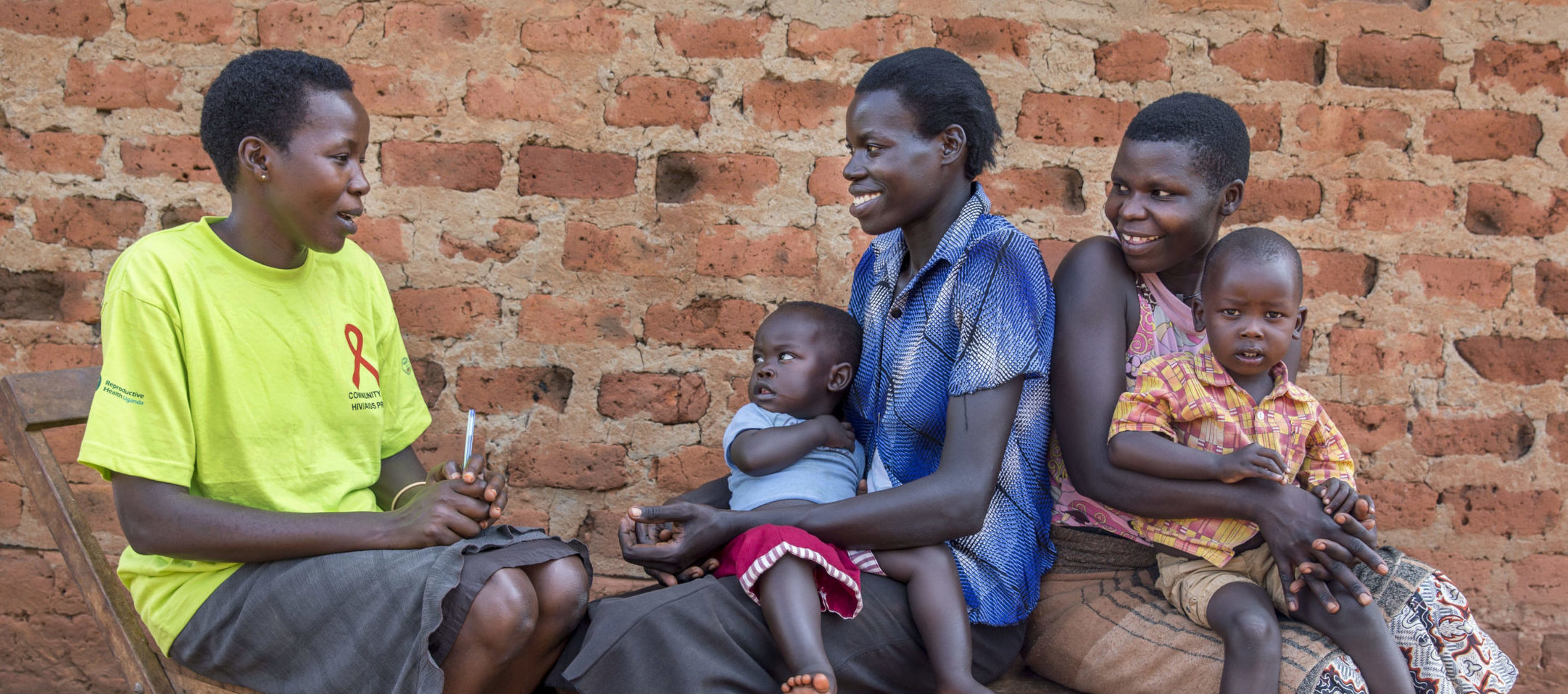
Advancing Self-Care in Uganda
Health care systems across the globe have always been based on a provider-to-client model. However, the introduction of new technology and products, and the increasing ease of access to information, has caused a shift in how health services can be delivered—placing clients at the center of health care. Various health areas, including sexual and reproductive health
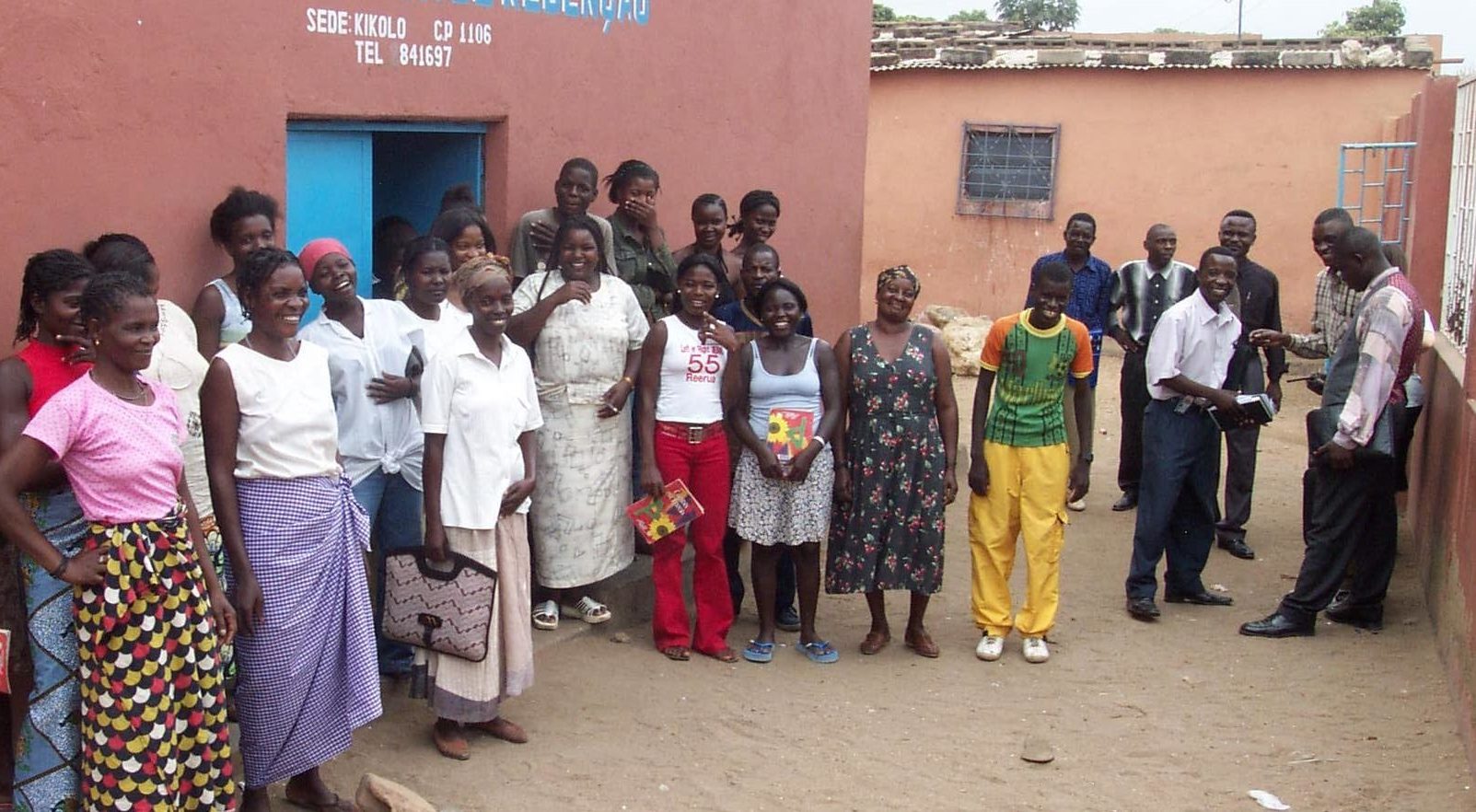
Engaging Faith-Based Organizations in Family Planning Advocacy
Faith-based organizations (FBOs) and faith institutions are often perceived as not supporting family planning (FP). However, FBOs have publicly shown support for FP for some time and play a vital role in health care service delivery, particularly in sub-Saharan Africa.

Reflections on advances in DMPA-SC and self-injection
FHI 360’s Catherine Packer shares a personal perspective on DMPA-SC’s past ten years, from early research to recent workshops. Since its introduction—and particularly since it became available for self-injection—DMPA-SC has become an important part of the global family planning and reproductive health landscape.
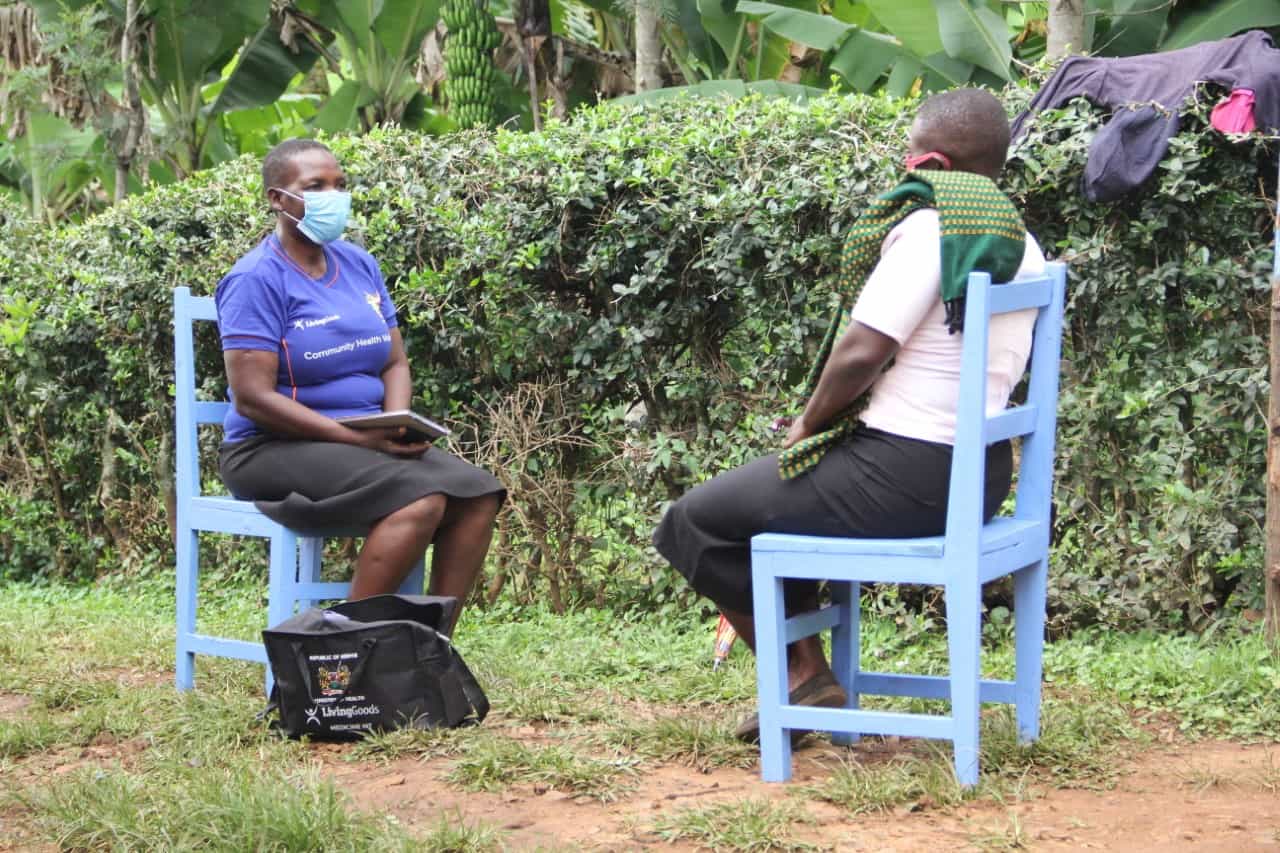
A Closer Look at Community Health and Family Planning in Action
The Knowledge SUCCESS East African team engaged its partners at Living Goods East Africa (Kenya and Uganda) for an in-depth discussion on their community health strategy for implementing programs and how innovations are essential towards enhancing global development.