



Nepal CRS Company: Pioneering Social Marketing of FP Commodities in Nepal
The private sector in Nepal is an important source of short-acting reversible contraceptives. It represents a critical opportunity to increase contraceptive access and choice. The Government of Nepal (GON) has emphasized the importance of strengthening social marketing and the private sector (National Family Planning Costed Implementation Plan 2015–2020). Nepal CRS Company (CRS) has introduced contraceptive products
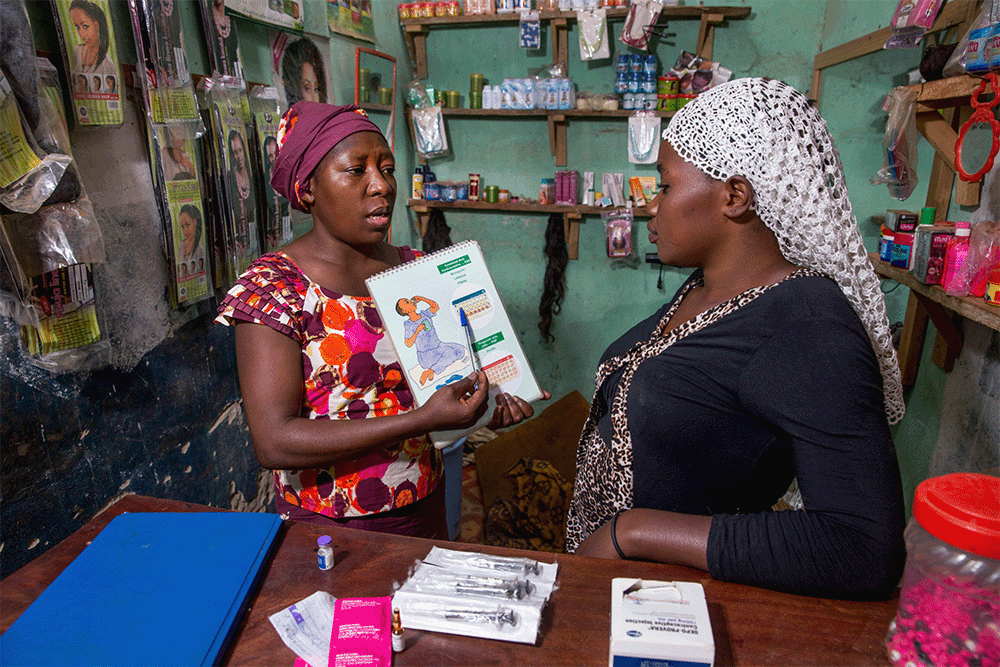
The Drug Shop Operators Handbook
In July 2021, USAID’s Research for Scalable Solutions (R4S) project, led by FHI 360, released the Drug Shop Operators' Provision of Injectable Contraception manual. The handbook shows how drug shop operators can coordinate with the public health system to safely provide an expanded method mix that includes injectables, as well as training for clients on self-injection.

Kenya Includes Contraceptive Injections in Its Pharmacist Training Package
Working alongside family planning advocates, Jhpiego Kenya applied the nine-step SMART advocacy approach to engage stakeholders in the creation of a new pharmacist training package. The updated curriculum includes that includes instruction on providing contraceptive injectables DMPA-IM and DMPA-SC.
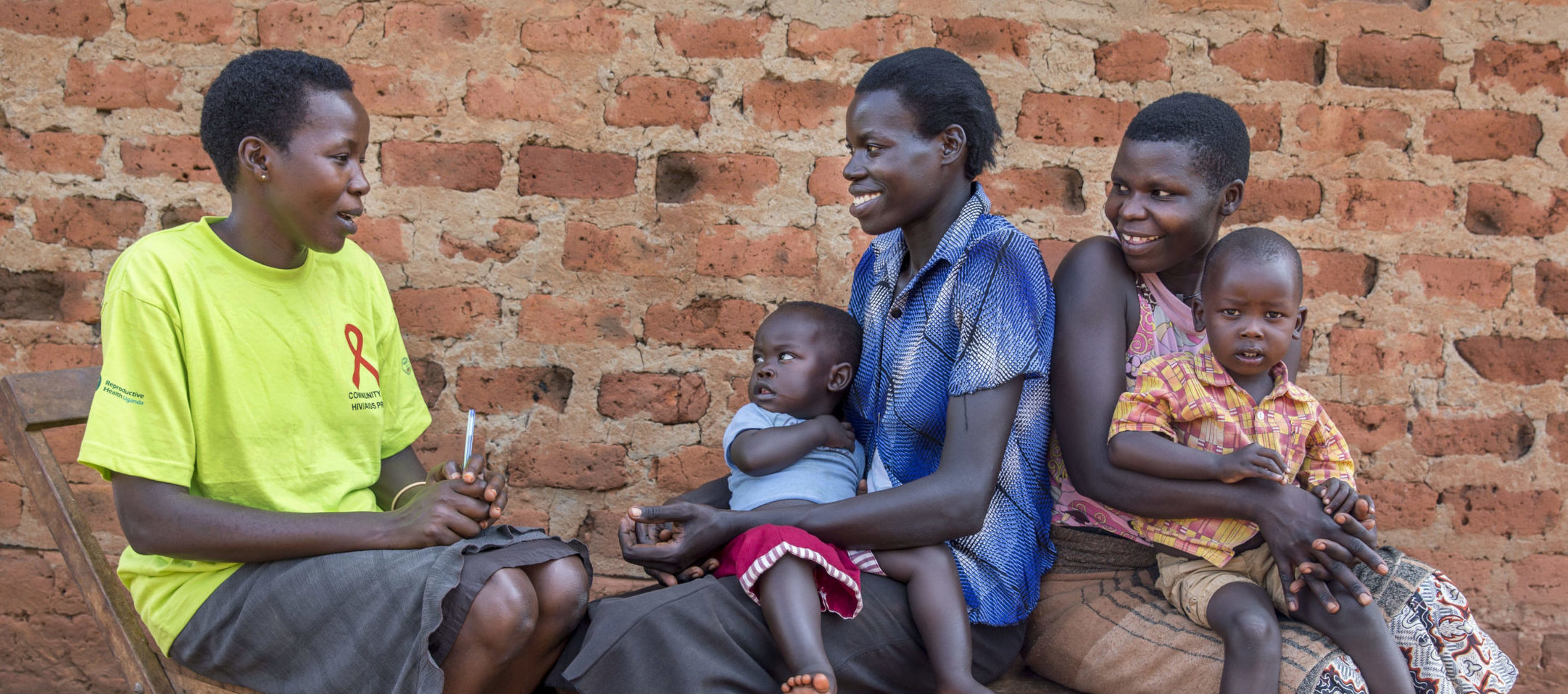
Advancing Self-Care in Uganda
Health care systems across the globe have always been based on a provider-to-client model. However, the introduction of new technology and products, and the increasing ease of access to information, has caused a shift in how health services can be delivered—placing clients at the center of health care. Various health areas, including sexual and reproductive health

Reflections on advances in DMPA-SC and self-injection
FHI 360’s Catherine Packer shares a personal perspective on DMPA-SC’s past ten years, from early research to recent workshops. Since its introduction—and particularly since it became available for self-injection—DMPA-SC has become an important part of the global family planning and reproductive health landscape.

Implementing DMPA-SC Self-Injection During COVID-19 in Four Francophone Countries
Recap of a webinar on high-impact approaches to support the introduction and scale-up of the self-injectable contraceptive DMPA-SC in Francophone family planning programs in Burkina Faso, Guinea, Mali, and Togo.

Lessons from Ghana to Inform DMPA-SC Safe Storage and Disposal
Providing women with containers for DMPA-subcutaneous (DMPA-SC) storage and sharps can help to encourage safe self-injection practices at home. Improper disposal in pit latrines or open spaces remains an implementation challenge to safely scaling this popular and highly effective method. With training from health providers and a provided puncture-proof container, self-injection clients enrolled in a pilot
Expériences de Mise En Œuvre de l’Auto-Injection du DMPA-SC Pendant COVID-19 dans quatre pays Francophones
Recapulatif du webinaire sur les approches à haut impact pour l’introduction et le passage à l’échelle de l'utilisation de la contraception auto-injectable.
Visualizing Family Planning Market Scenarios
When public health officials make decisions, they are faced with competing demands on financial resources, conflicting interests, and the imperative to meet national health goals. Decision-makers need tools to help them establish a healthy market, particularly in resource-constrained settings. SHOPS Plus found this to be the case in a recent activity in Tanzania, where their ultimate

Malawi’s Self-Care Success Story: Rapid Introduction of Self-Injectable Contraception
The chronicle of Malawi’s rapid, efficient introduction of self-injected subcutaneous DMPA (DMPA-SC) into the method mix is a model of teamwork and coordination. Although this process typically takes about 10 years, Malawi achieved it in fewer than three. Self-injected DMPA-SC epitomizes the ideal of self-care by empowering women to learn how to inject themselves, and has