


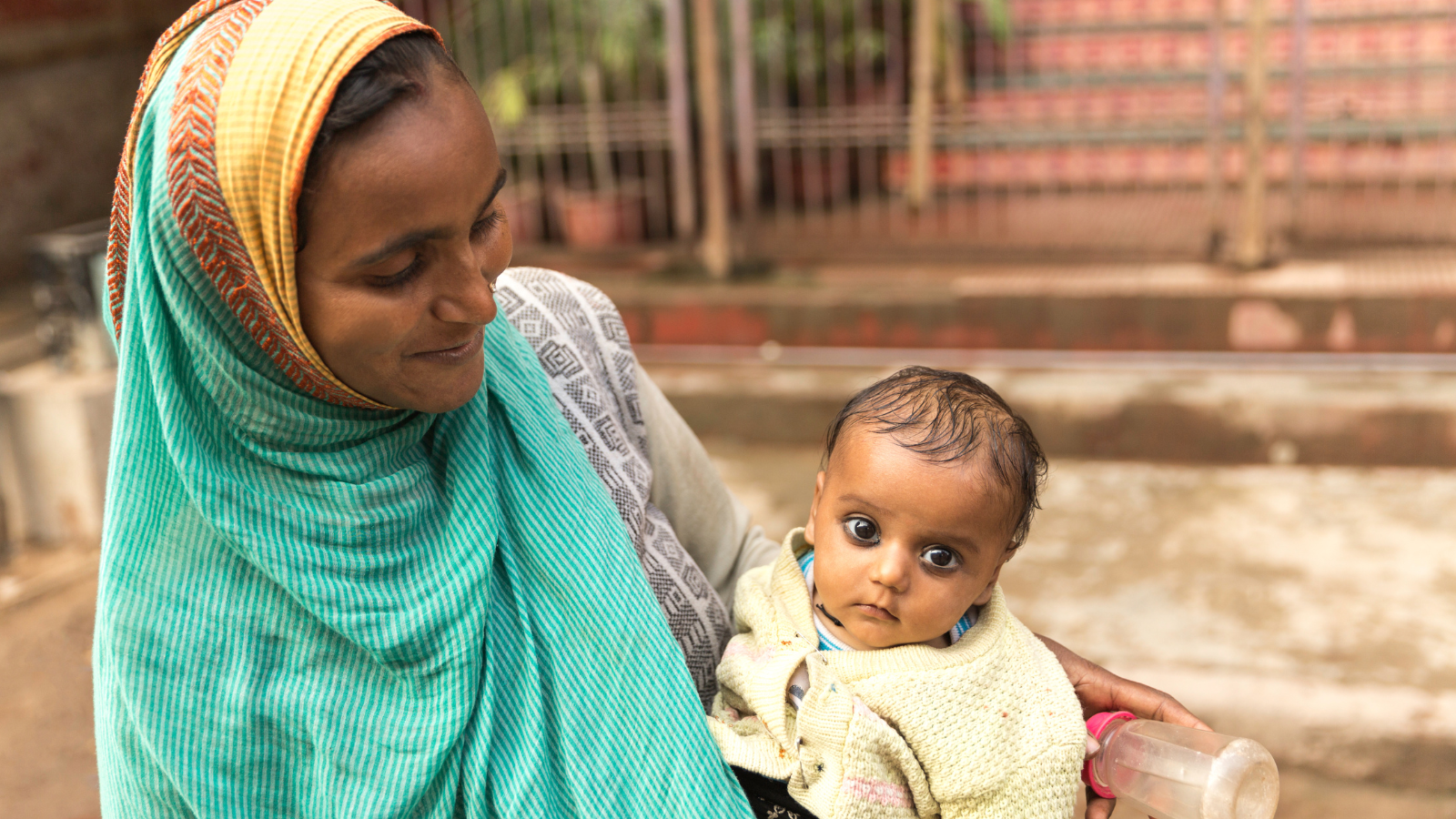
Ensuring Access to Sexual and Reproductive Health in Humanitarian Settings
Humanitarian crises disrupt basic services, making it difficult for people to access basic care, including sexual and reproductive health (SRH) services. Given this is an urgent priority in the Asia region, in particular due to the elevated risk of natural disasters, Knowledge SUCCESS hosted a webinar on September 5 to explore SRH in times of crises.

Spotlight on FP2030 Family Planning Commitments
Through a long-term partnership, FP2030 and Knowledge SUCCESS have used KM techniques to summarize country commitments in shareable formats that anyone can easily understand and expand documentation expertise among FP2030 Focal Points.
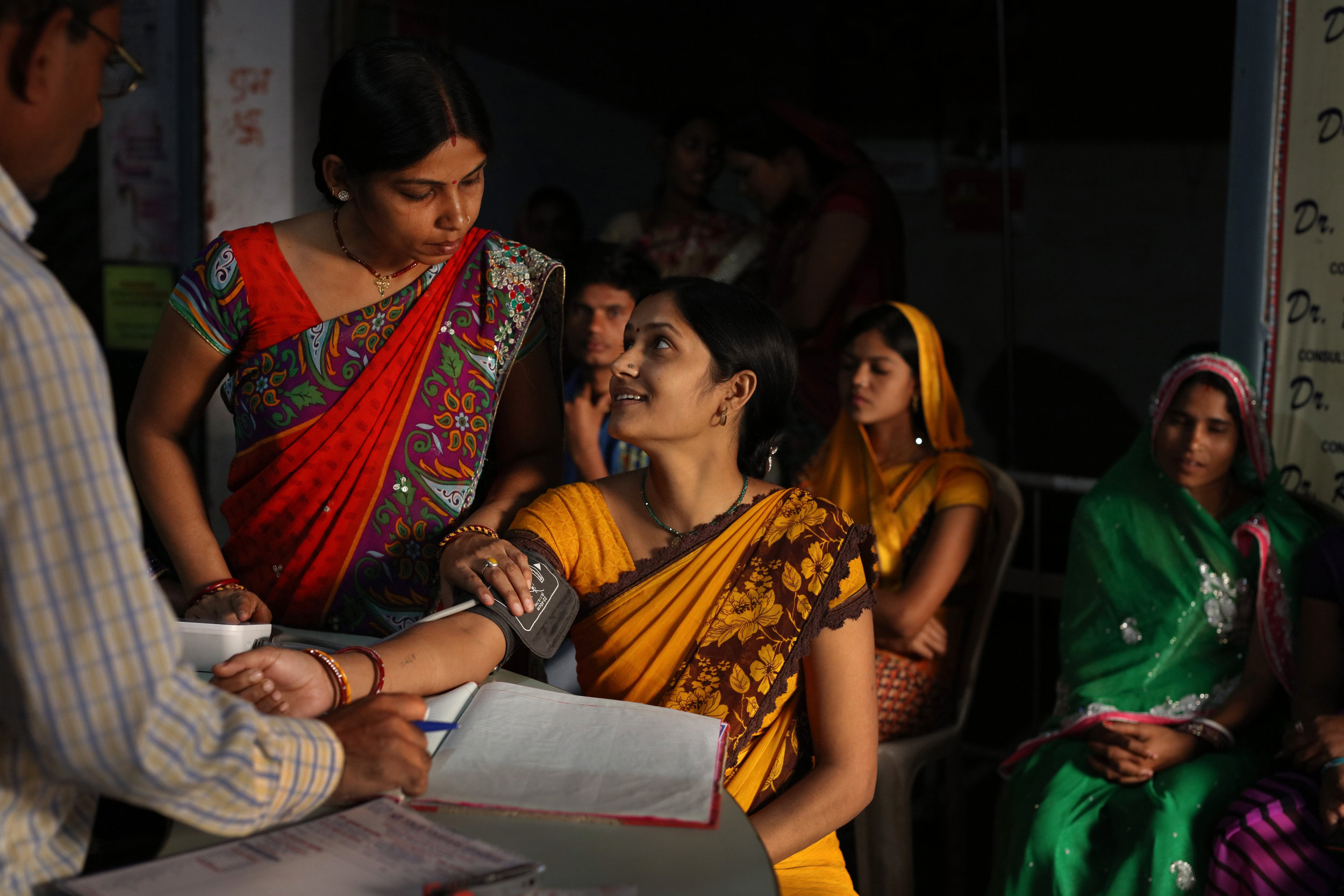
Supporting High Quality Family Planning Services Through Peer Communities In The Private Sector: An Experience From Nepal
Since May 2021, MOMENTUM Nepal has worked with 105 private sector service delivery points (73 pharmacies and 32 polyclinic/clinics/hospitals) in seven municipalities across two provinces (Karnali and Madhesh) to expand their access to high quality, person-centered FP services, especially for adolescents (15-19 years), and young adults (20-29 years).
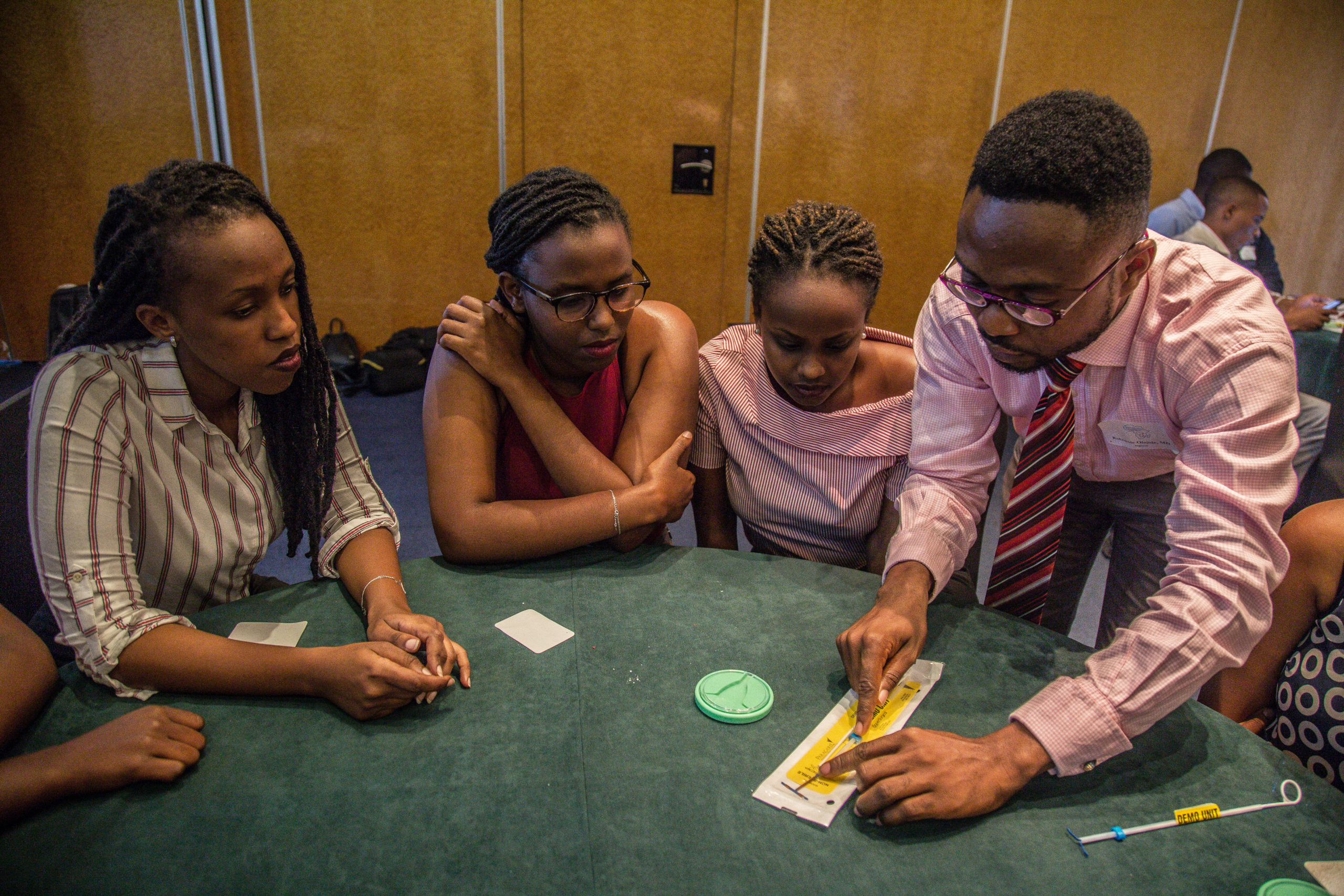
Exploring Current Trends and Opportunities in Domestic Resource Mobilization for Family Planning
Descriptive analysis of financial data trends in Nigeria, specifically in Ebonyi State, painted a rather gloomy picture for family planning (FP). Dr. Chinyere Mbachu, Doctor at Health Policy Research Group, College of Medicine at the University of Nigeria, and co-author of this research discussed how financing has an impact on reproductive health (RH) family planning.

Impacts of the COVID-19 Pandemic on Family Planning Services in Gandaki Province, Nepal
A team of four faculty - Isha Karmacharya (lead), Santosh Khadka (co-lead), Laxmi Adhikari, and Maheswor Kafle - from the Central Institute of Science and Technology (CiST) College wanted to study the impact the COVID-19 pandemic had on FP commodities procurement, supply chain, and stock management in Gandaki province to determine if there were any variations
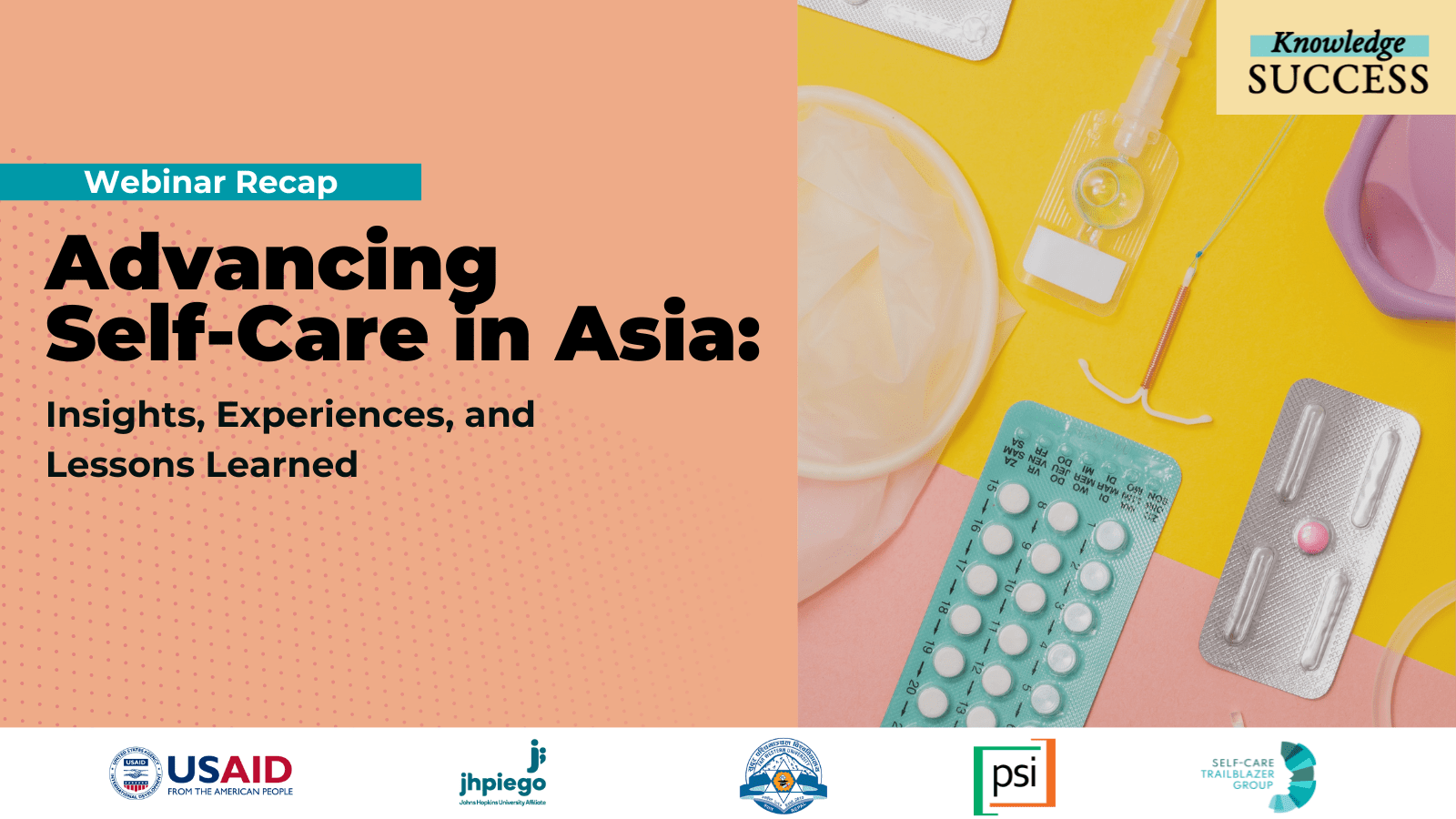
Insights from Asia in Advancing Self-Care Use, Acceptability, and Access
On January 25, Knowledge SUCCESS hosted “Advancing Self-Care in Asia: Insights, Experiences, and Lessons Learned,” a panel conversation featuring experts from India, Pakistan, Nepal, and West Africa. The speakers discussed the feasibility and future of self-care for family planning (FP) in Asia and lessons learned from program experiences in West Africa.

Peer Assists for Family Planning Advocacy
A peer assist is a knowledge management (KM) approach that focuses on “learning before doing.” When a team is experiencing a challenge or is new to a process, it seeks advice from another group with relevant experience. The Knowledge SUCCESS project recently used this approach to facilitate sharing of experiential knowledge between Nepal and Indonesia. Amid

Nepal CRS Company: Pioneering Social Marketing of FP Commodities in Nepal
The private sector in Nepal is an important source of short-acting reversible contraceptives. It represents a critical opportunity to increase contraceptive access and choice. The Government of Nepal (GON) has emphasized the importance of strengthening social marketing and the private sector (National Family Planning Costed Implementation Plan 2015–2020). Nepal CRS Company (CRS) has introduced contraceptive products

Recap: Responding to the SRHR Needs of Indigenous Women and Girls
Earlier this year, Communities, Alliances & Networks (CAAN) and The World Health Organization’s (WHO) IBP Network partnered on a series of seven webinars on advancing the SRHR of Indigenous women living with HIV. Each webinar featured rich discussions, highlighting national plans and the status of Indigenous women living with HIV and other sexually transmitted infections in each country.

FP/RH Champion Spotlight: South-East Asia Youth Health Action Network (SYAN)
The South-East Asia Youth Health Action Network, or SYAN, is a WHO-SEARO-supported network that creates and strengthens the capacity of adolescent and youth groups in southeast Asian countries for effective advocacy and engagement in national adolescent health programs as well as regional and global policy dialogue platforms.