


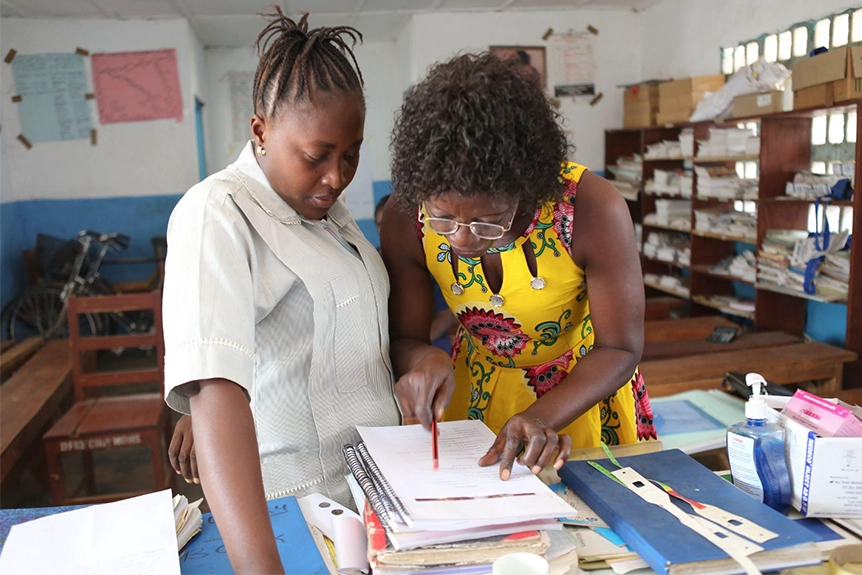
Advancing Measurement of HIPs
The Research for Scalable Solutions and SMART-HIPs projects—hosted a four-part webinar series on Advancing Measurement of High Impact Practices (HIPs) in Family Planning. The webinar series aimed to share new insights and tools that can strengthen how HIP implementation is measured in order to support strategic decision-making.

What Makes a Facility “Ready” to Provide Family Planning Services? Researchers in Bangladesh Explored Similarities and Differences Across Asia and Africa
Knowledge SUCCESS’ Brittany Goetsch chatted recently with Dr. Mohammad Mosiur Rahman, Professor, Department of Population Science and Human Resource Development, University of Rajshahit, the principal investigator (PI) of the research team, to learn how they used secondary data sources to explore the similarities and differences in facility readiness to provide FP services across 10 countries.

Impacts of the COVID-19 Pandemic on Family Planning Services in Gandaki Province, Nepal
A team of four faculty - Isha Karmacharya (lead), Santosh Khadka (co-lead), Laxmi Adhikari, and Maheswor Kafle - from the Central Institute of Science and Technology (CiST) College wanted to study the impact the COVID-19 pandemic had on FP commodities procurement, supply chain, and stock management in Gandaki province to determine if there were any variations

Less is More: Tips for Communicating Family Planning Data Online
How do common web user behaviors affect how people find and absorb knowledge? What did Knowledge SUCCESS learn from developing an interactive website feature presenting complex family planning data? How can you apply these learnings in your own work? This post recaps a May 2022 webinar with three sections: Online Behaviors and Why They Matter; Case

Nudging the Health Workforce to Share Experiences (Including Failures!)
How might we encourage the FP/RH workforce to share knowledge with each other? Particularly when it comes to sharing failures, people are hesitant. This post summarizes Knowledge SUCCESS’s recent assessment to capture and measure information-sharing behavior and intention among a sample of FP/RH and other global health professionals based in sub-Saharan Africa and Asia.

Introducing 20 Essential Resources: Quality Contraceptive Implant Removal
The Implant Removal Task Force is excited to partner with Knowledge SUCCESS to bring you this curated collection of resources for contraceptive implant removal, highlighting a critical, yet often-overlooked, component of contraceptive implant scale-up.
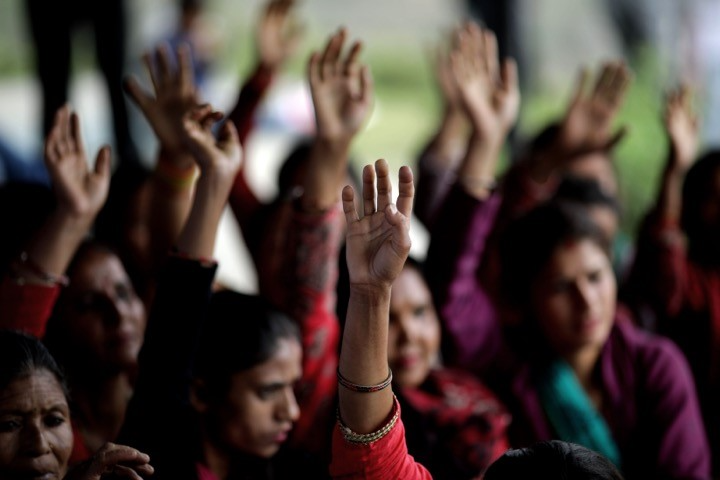
Family Planning Association Nepal Is Leaving No One Behind
Created in 1959, Family Planning Association Nepal (FPAN) is the country’s first national sexual and reproductive health service delivery and advocacy organization. Sixty-three years later, FPAN continues to ensure that family planning (FP) information and services are available and accessible to families—no matter their identity, ability, location, gender, or socioeconomic status.

Making Gloves, Forceps, and Other Supplies More Than an Afterthought
Massive improvements in our family planning (FP) supply chains in recent years have generated an expanded and more reliable method choice for women and girls around the world. But while we celebrate such success, one nagging issue that warrants attention is the corresponding equipment and consumable supplies, like gloves and forceps, necessary to administer these contraceptives:
Introducing Connecting the Dots Between COVID-19 and Family Planning
Connecting the Dots Between Evidence and Experience combines the latest evidence with implementation experiences to help technical advisors and program managers understand emerging trends in family planning and inform adaptations to their own programs. The inaugural edition focuses on the impact of COVID-19 on family planning in Africa and Asia.
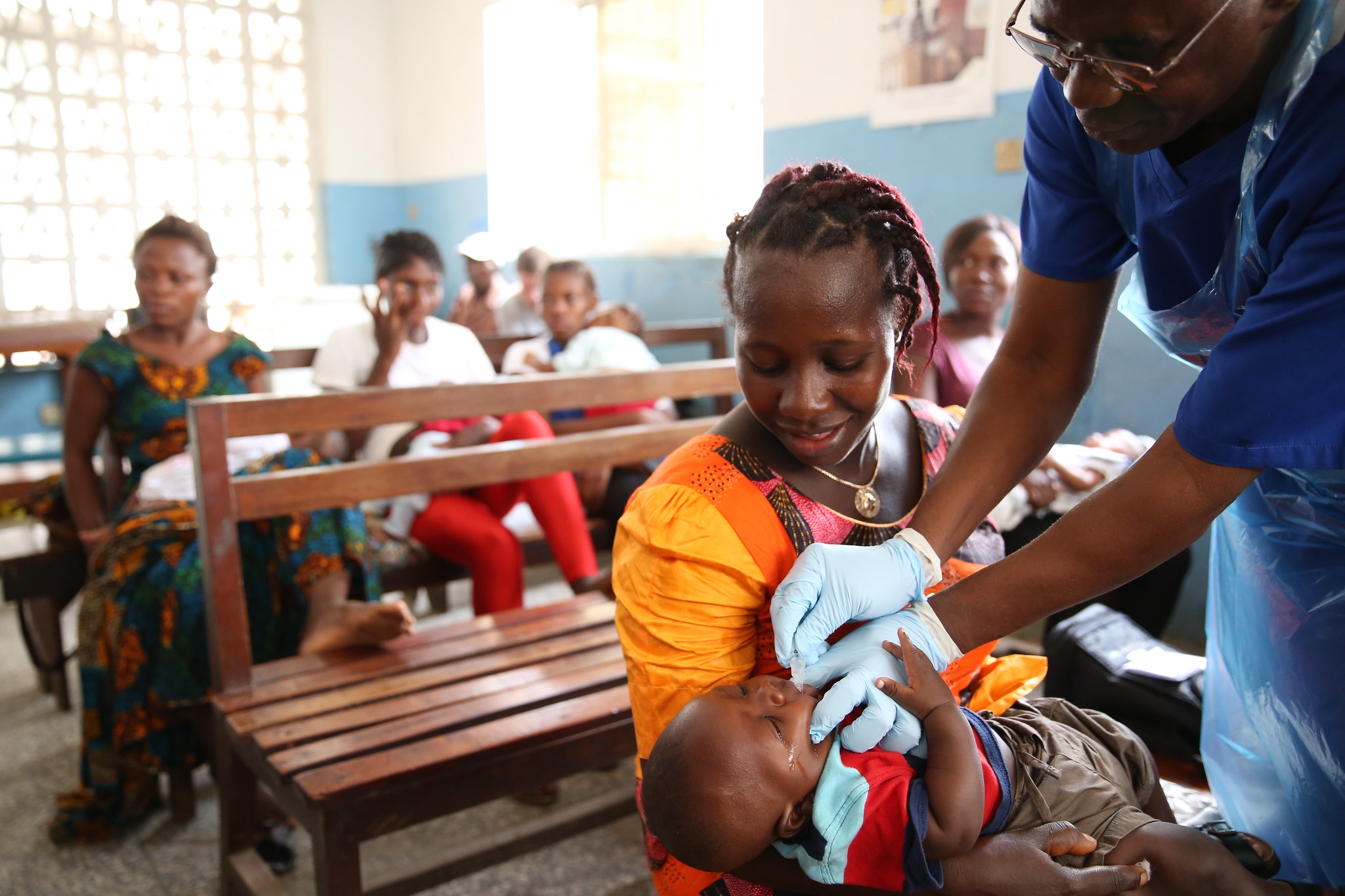
A New Set of Composite Indicators for Integrated Service Delivery
The INSPiRE project is introducing integrated performance indicators into policy and practice in francophone West Africa.