


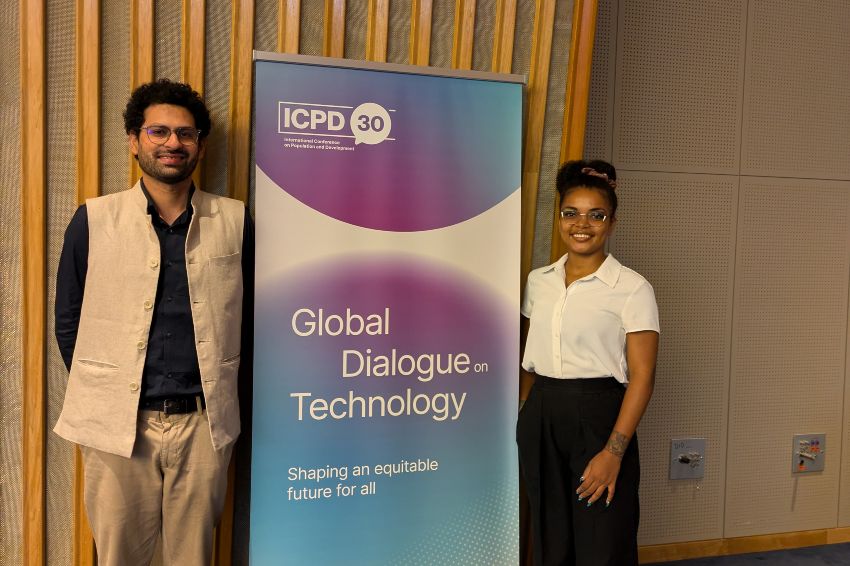
ICPD30 Global Dialogue on Technology: Transforming Tech for Feminist Inclusion
The ICPD30 Global Dialogue on Technology, held in New York in June 2024, aimed to harness the transformative power of technology to advance women's rights. Key takeaways include the potential of feminist-centered technology to address gender-based violence and inequalities, the need for intersectional feminist approaches to technology development, and the importance of government and tech corporations

Empowering Young People to Make Healthy Sexual and Reproductive Health Choices: Lessons from Heroes for Gender Transformative Action in Uganda
Knowledge SUCCESS, in collaboration with the WHO/IBP Network, is featuring implementation stories that showcase implementers who have successfully navigated complexities to deliver impactful outcomes. This feature story on the Heroes for Gender Transformative Action Program (Heroes4GTA).
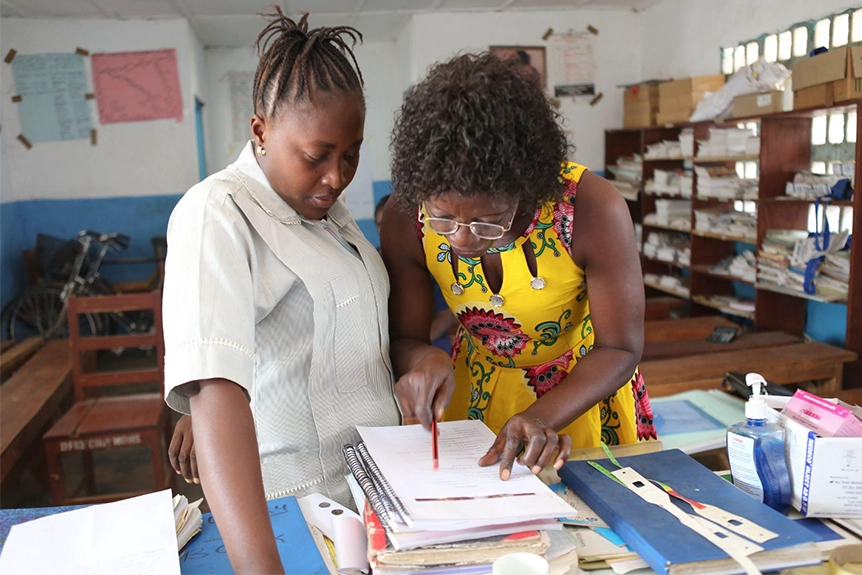
Advancing Measurement of HIPs
The Research for Scalable Solutions and SMART-HIPs projects—hosted a four-part webinar series on Advancing Measurement of High Impact Practices (HIPs) in Family Planning. The webinar series aimed to share new insights and tools that can strengthen how HIP implementation is measured in order to support strategic decision-making.
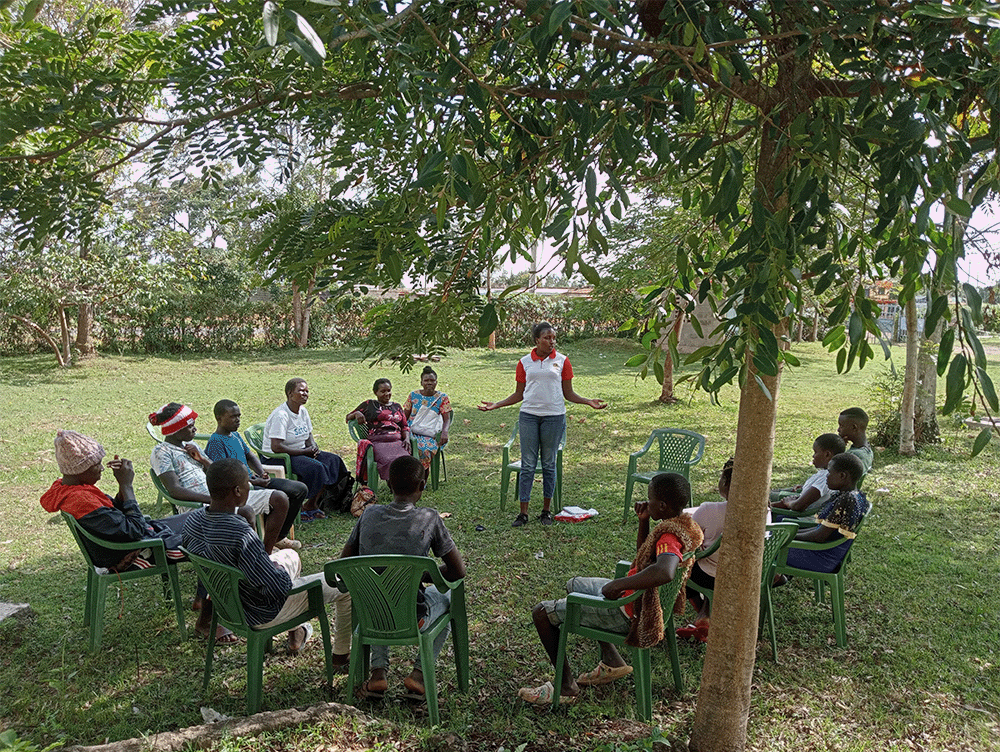
Navigating Sexual Reproductive Health as a Young Person
This spotlight series will focus on our valued KM champions in East Africa and shed light on their journey to working in FP/RH. In today’s post, we spoke with Mercy Kipng'eny, a program assistant for SHE SOARS project at the Center for Study of Adolescence in Kenya.

What Makes a Facility “Ready” to Provide Family Planning Services? Researchers in Bangladesh Explored Similarities and Differences Across Asia and Africa
Knowledge SUCCESS’ Brittany Goetsch chatted recently with Dr. Mohammad Mosiur Rahman, Professor, Department of Population Science and Human Resource Development, University of Rajshahit, the principal investigator (PI) of the research team, to learn how they used secondary data sources to explore the similarities and differences in facility readiness to provide FP services across 10 countries.

Impacts of the COVID-19 Pandemic on Family Planning Services in Gandaki Province, Nepal
A team of four faculty - Isha Karmacharya (lead), Santosh Khadka (co-lead), Laxmi Adhikari, and Maheswor Kafle - from the Central Institute of Science and Technology (CiST) College wanted to study the impact the COVID-19 pandemic had on FP commodities procurement, supply chain, and stock management in Gandaki province to determine if there were any variations
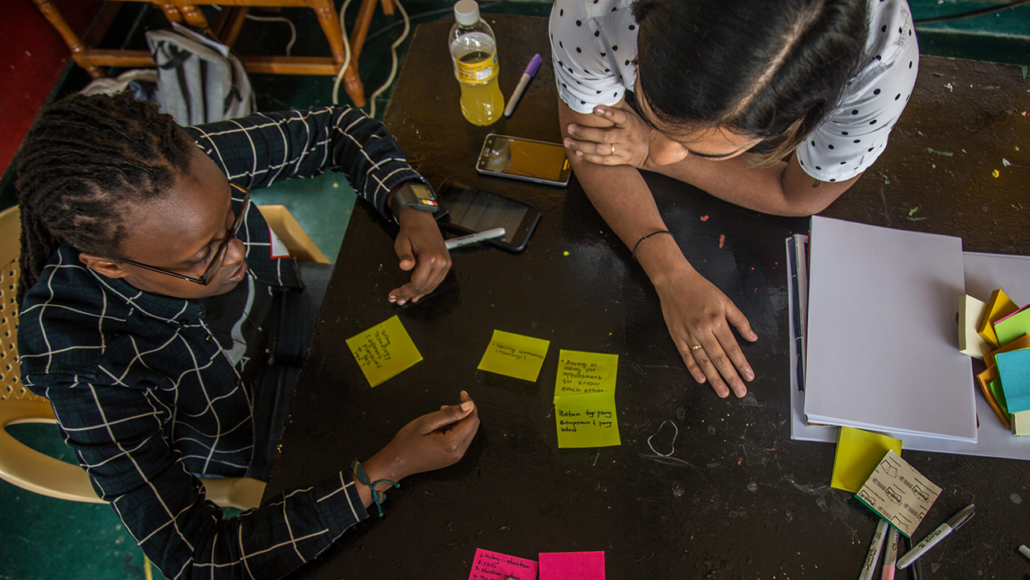
New Interactive Learning Courses to Strengthen Social and Behavior Change Measurement, Monitoring, and Evaluation for Family Planning Programs
Family planning programs are often faced with the challenge of transferring knowledge into behavior. A growing body of evidence suggests that social and behavior change (SBC) interventions improve family planning/reproductive health outcomes by directly increasing contraceptive uptake or increasing contraceptive use through pathways that address intermediate determinants such as attitudes around family planning.

Strengthening Research Skills: Evidence-based FP and Resilience in Afghanistan
Introducing our new blog series that highlights local research produced with support from the D4I project, 'Going Local: Strengthening Local Capacity in General Local Data to Solve Local FP/RH Development Challenges.'

June 2023 Course: Knowledge Management in Global Health Programs
Now through May 26, registration is open to enroll in the Johns Hopkins Bloomberg School of Public Health (BSPH) Summer Institute course, “Register by May 26th for this course. You may find this course listed under its course number 410.664.79.

A women-led approach to building resilience for communities in Uganda
An interview with Jostas Mwebembezi, Executive Director and Founder of The Rwenzori Center for Research and Advocacy in Uganda, which serves women, children, and adolescents in the poorest communities to help them access improved livelihoods, including better health care and education.