


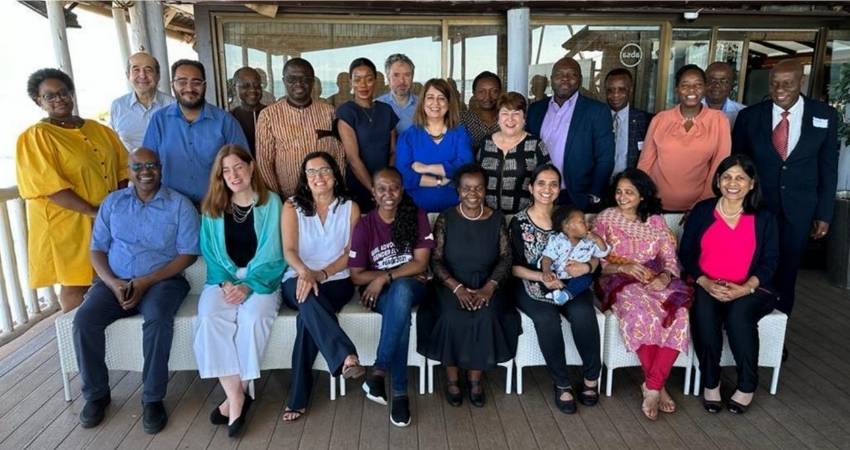
“A Rolling Thunder of Events”
A Call to Action for stakeholders to join forces to advance PPFP and PAFP was launched in December 2023. To provide a deeper understanding of the events and insights that led to this action, Knowledge SUCCESS interviewed key members of the coalition behind it. This post highlights the pivotal moments in their collaboration, lessons learned along
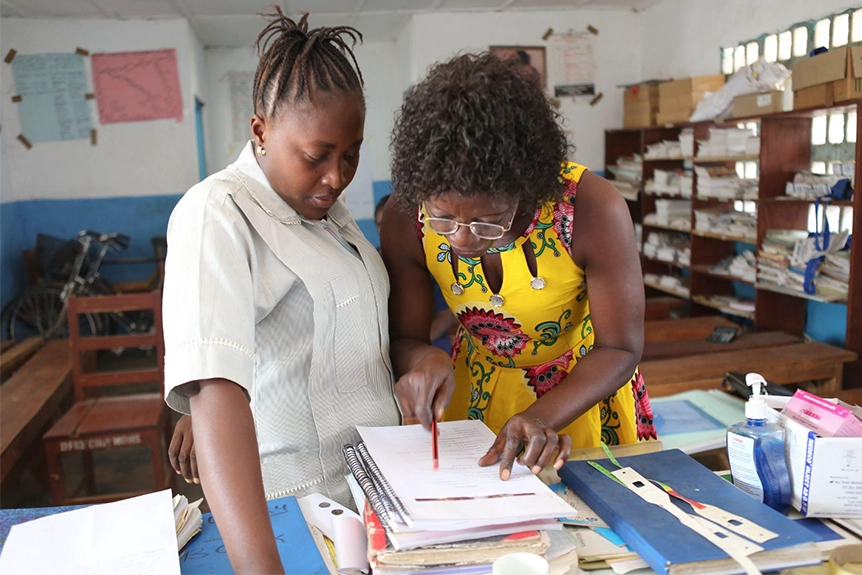
Advancing Measurement of HIPs
The Research for Scalable Solutions and SMART-HIPs projects—hosted a four-part webinar series on Advancing Measurement of High Impact Practices (HIPs) in Family Planning. The webinar series aimed to share new insights and tools that can strengthen how HIP implementation is measured in order to support strategic decision-making.

What Works When Implementing Community Health Worker Programs
Explore a comprehensive recap of the Knowledge SUCCESS Project's recent webinar, highlighting key insights and success strategies discussed by family planning and reproductive health experts sharing lessons learned when implementing community health worker programs. Gain valuable perspectives from panelists across three regional cohorts as they share impactful lessons and contextual experiences.

The Fourth Annual Family Planning Resource Guide
Introducing the fourth version of our family planning resource guide, including 17 tools and resources from 10 projects. Consider this your holiday gift guide for family planning resources!
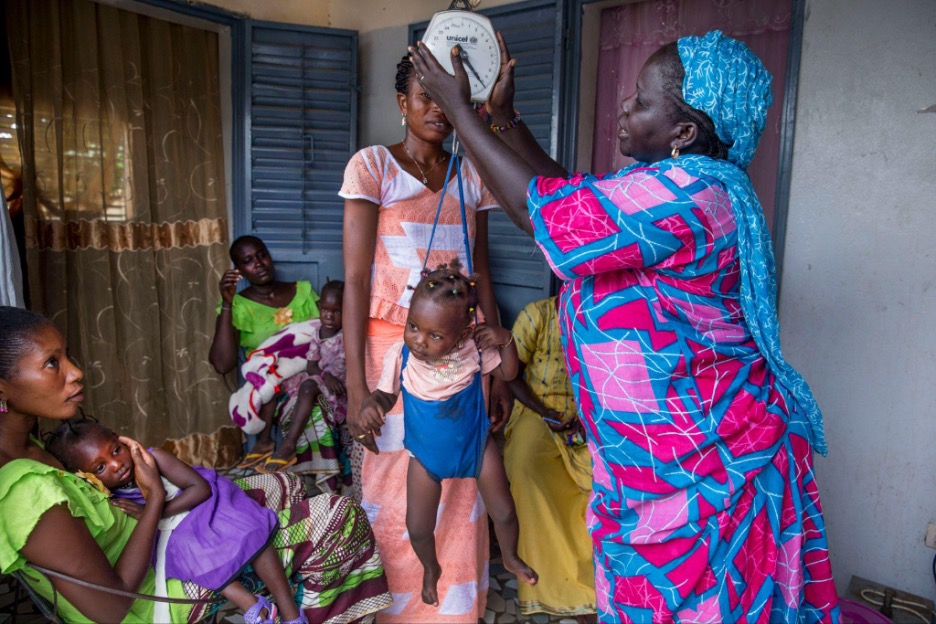
Indicateurs de planification familiale post-partum et post-avortement : Apprentissages du Nigeria, du Burkina Faso et du Rwanda
e 17 août, Knowledge SUCCESS et le FP2030 NWCA Hub ont organisé un webinaire sur les indicateurs de planification familiale post-partum et post-avortement (PPFP/PAFP) qui a promu les indicateurs recommandés et mis en lumière des exemples de mise en œuvre réussie par des experts au Rwanda, au Nigéria et au Burkina Faso.
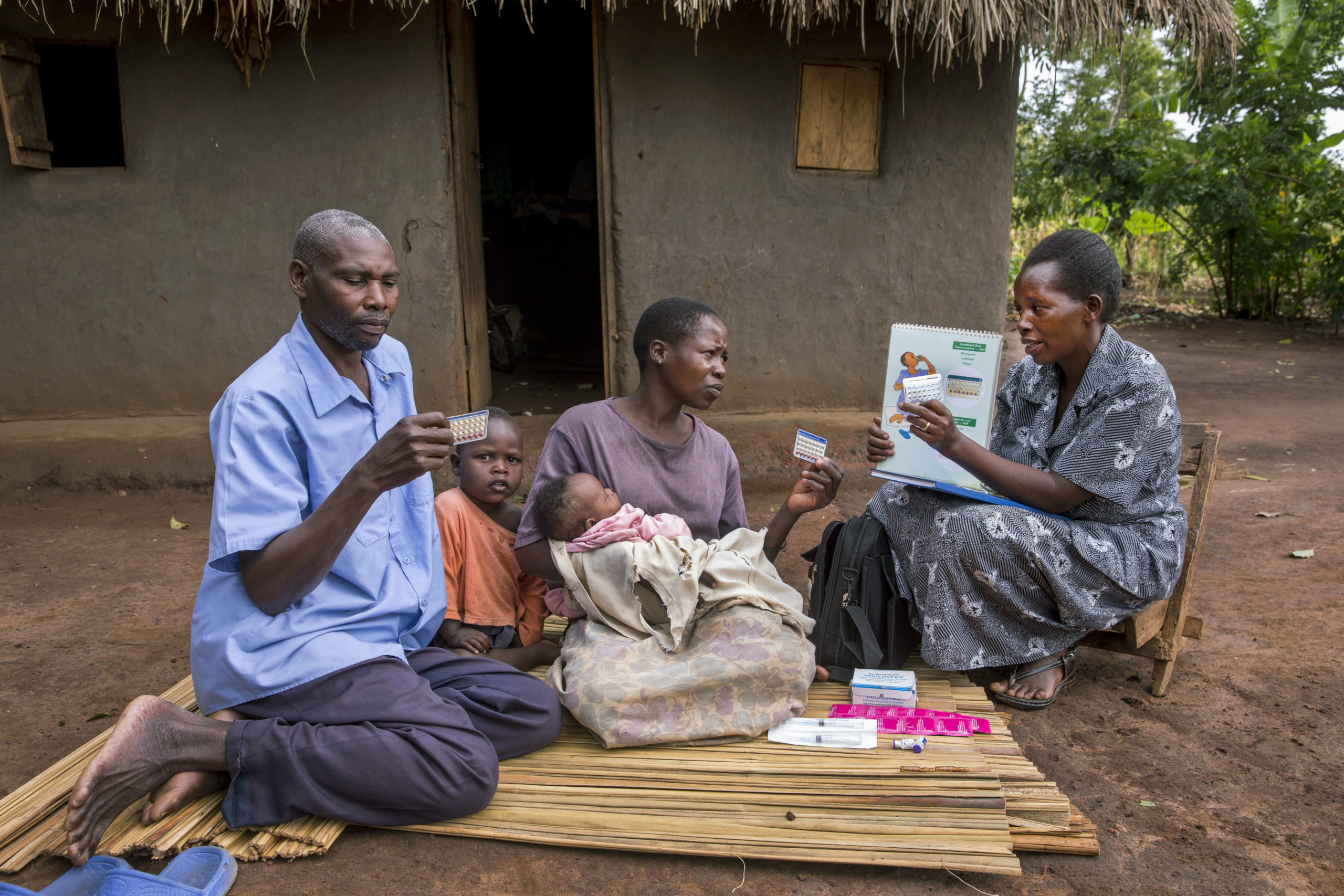
Engaging Men to Increase Postpartum Contraceptive Uptake
During all stages of reproductive life, men play an important role in conversations and decisions about contraceptive use, family size, and spacing of children. Yet, even with this decision-making role, they are often left out of family planning and contraceptive programming, outreach, and education efforts.

How Enhanced Engagement With The Private Sector Can Expand Access To Family Planning And Bring The World Closer to Universal Health Coverage
We are pleased to introduce our new blog series, FP in UHC, developed and curated by FP2030, Knowledge SUCCESS, PAI, and MSH. The blog series will provide valuable insights into how family planning (FP) contributes to the achievement of Universal Health Coverage (UHC), with perspectives from leading organizations in the field. This is the second post
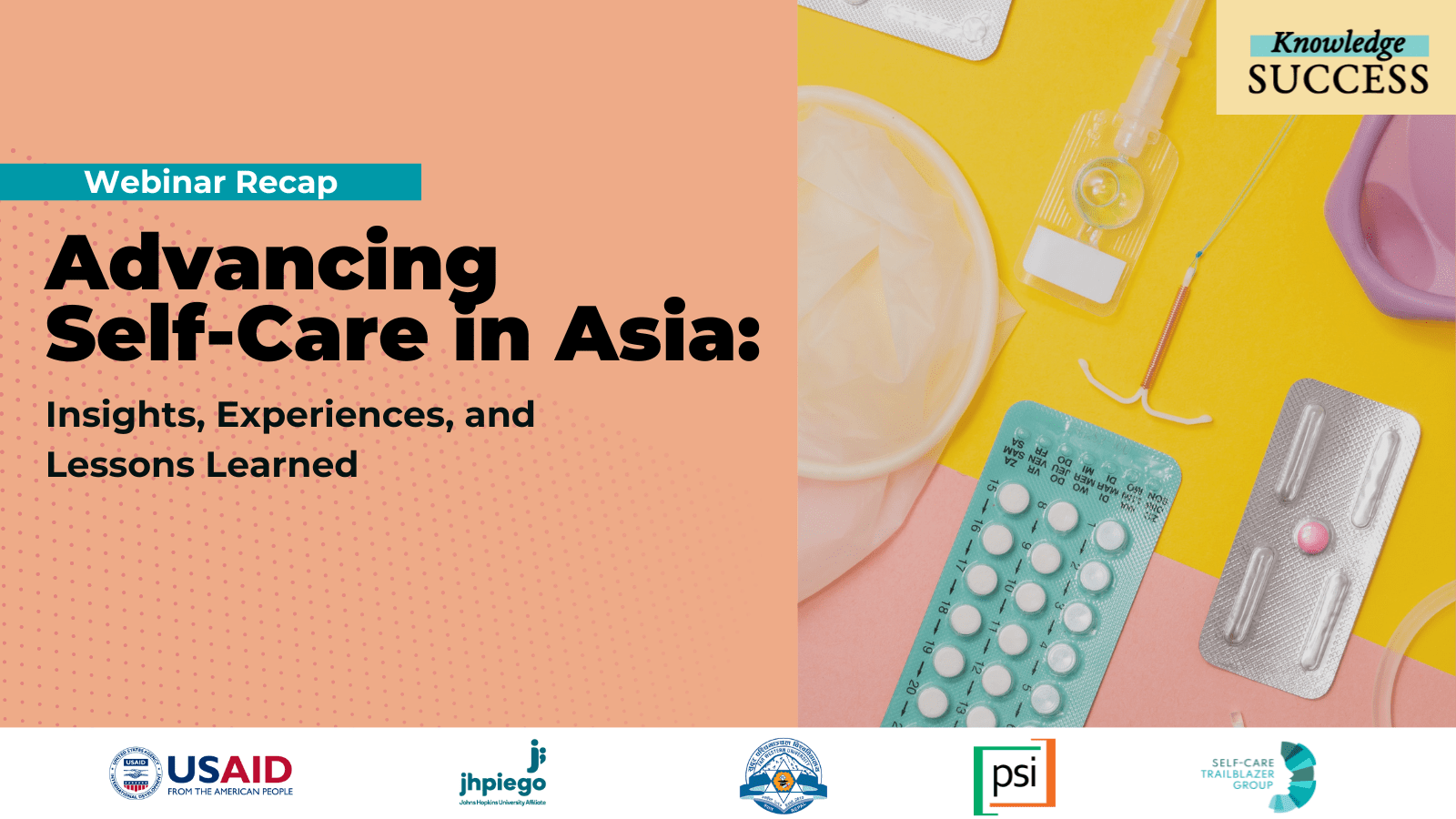
Insights from Asia in Advancing Self-Care Use, Acceptability, and Access
On January 25, Knowledge SUCCESS hosted “Advancing Self-Care in Asia: Insights, Experiences, and Lessons Learned,” a panel conversation featuring experts from India, Pakistan, Nepal, and West Africa. The speakers discussed the feasibility and future of self-care for family planning (FP) in Asia and lessons learned from program experiences in West Africa.
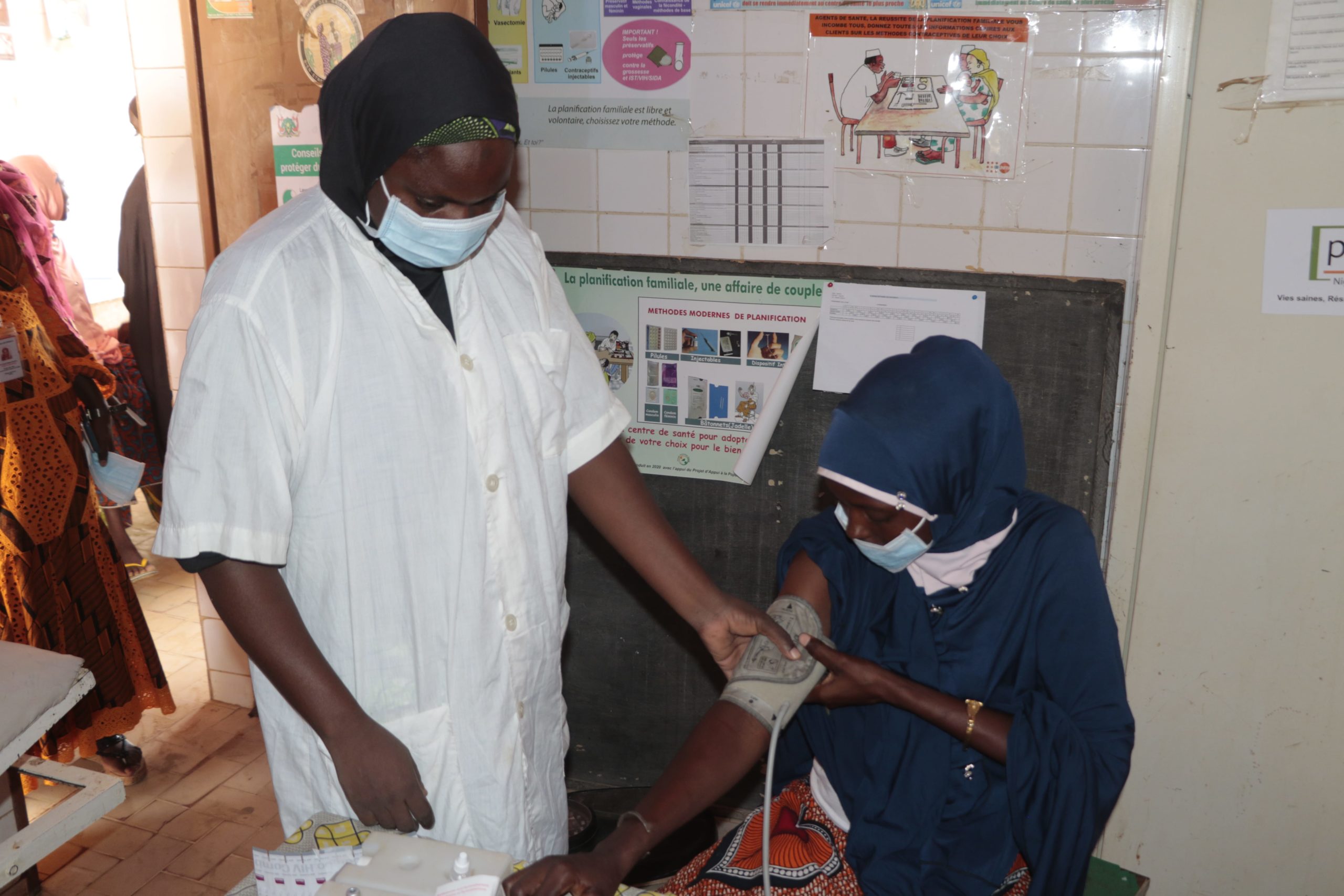
Leçons pour les programmes intégrés de changement social et comportemental
En contribuant à un programme mondial de recherche et d'apprentissage sur la programmation intégrée de la CSC, Breakthrough RESEARCH, le projet phare de l'USAID sur la génération de preuves de la CSC, aide à générer des données pour améliorer cette approche importante.
Lessons for Integrated Social and Behavior Change Programming
In contributing to a global Research and Learning Agenda on integrated SBC programming, Breakthrough RESEARCH, USAID’s flagship SBC evidence generation project, is helping generate data to enhance this important approach.