



Faith and Family Planning
Faith and family planning may seem like unlikely partners, but in Uganda and across the East Africa region, faith-based organizations play a transformative role in advancing reproductive health. This was demonstrated during a recent knowledge café hosted in Uganda, a collaboration among the IGAD RMNCAH/FP Knowledge Management Community of Practice (KM CoP), Knowledge SUCCESS, and the

Strengthening Emergency Preparedness and Response in Family Planning
Learning Circles are highly interactive small group-based discussions designed to provide a platform for global health professionals to discuss what works and what doesn’t in pressing health topics. In the most recent cohort in Anglophone Africa, the focus was addressing emergency preparedness and response (EPR) for family planning and sexual and reproductive health (FP/SRH).

Local Resource Mobilization: Building on Strengths and Potential in Asia
Knowledge SUCCESS hosted a webinar on the strengths and potential for local resource mobilization in Asia on August 8, 2024, attracting 200 registrants. The webinar panel included four speakers who were part of a recent Learning Circles cohort facilitated by the Knowledge SUCCESS Asia Regional Team to share successes and challenges with mobilizing resources for family
The Impact of Knowledge Management Innovations to Improve Equitable and Effective Learning and Collaboration in Global Health Programs
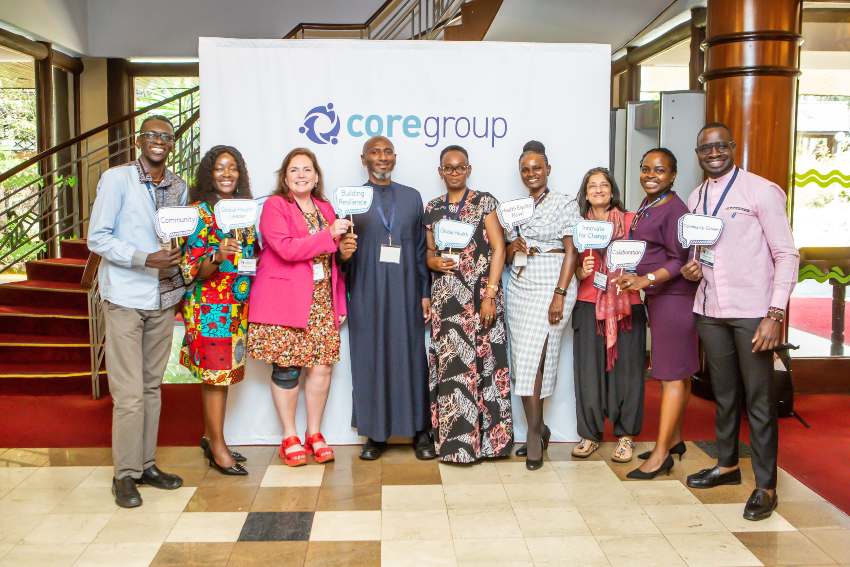
In October 2024, Knowledge SUCCESS attended CORE Group’s Global Health Practitioners Conference (GHPC), during which we had the opportunity to highlight the project’s knowledge management (KM) innovations.
Ensuring Access to Sexual and Reproductive Health in Humanitarian Settings
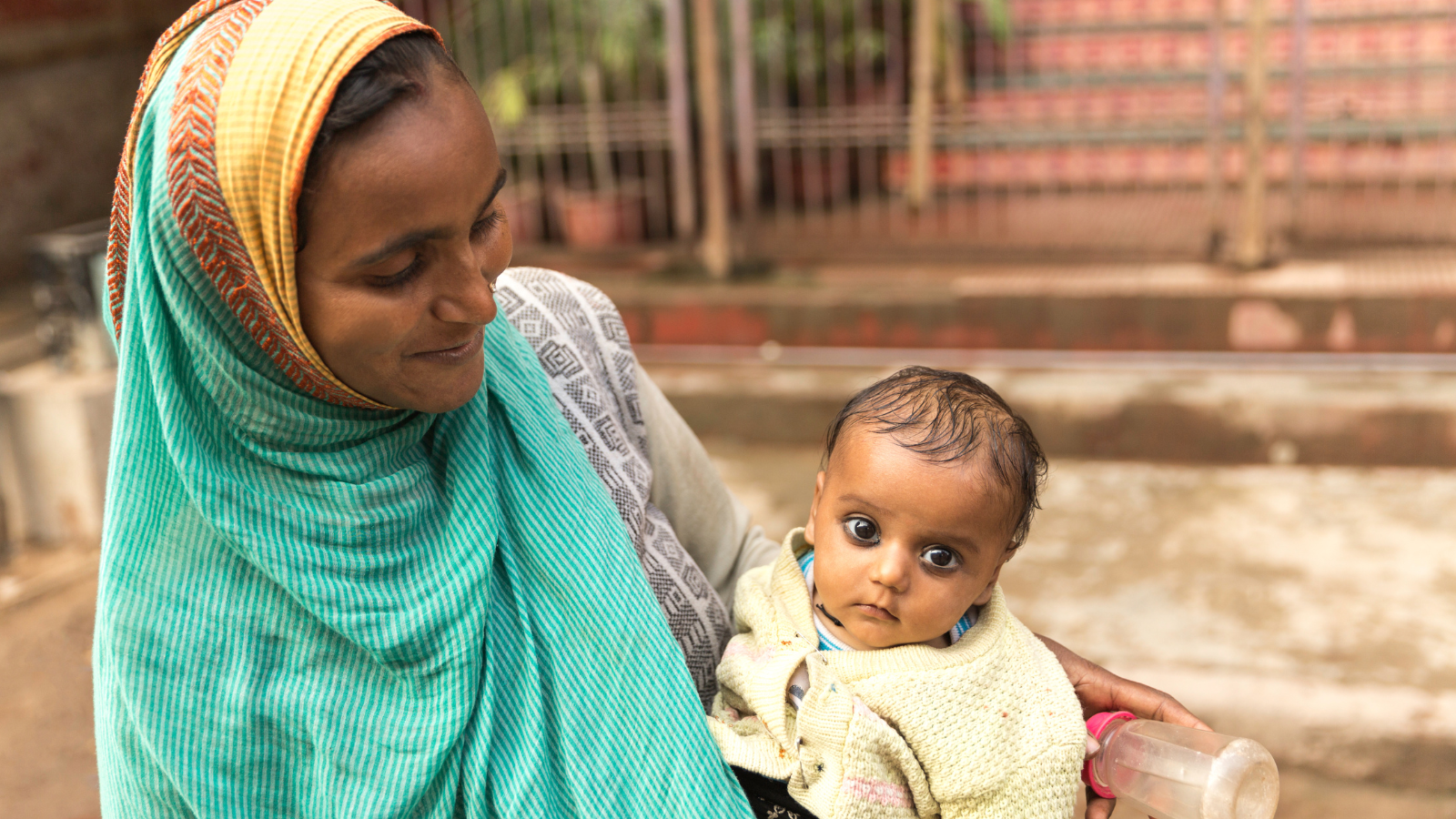
Humanitarian crises disrupt basic services, making it difficult for people to access basic care, including sexual and reproductive health (SRH) services. Given this is an urgent priority in the Asia region, in particular due to the elevated risk of natural disasters, Knowledge SUCCESS hosted a webinar on September 5 to explore SRH in times of crises.

New Tool for Integrating Knowledge Management in Family Planning Costed Implementation Plans
Knowledge SUCCESS developed a tool that helps countries to assess the way they develop, implement, and evaluate their family planning Costed Implementation Plans and ensure that knowledge management is integrated throughout the process.

Dare and Inspire: Storytelling to Power Positive Change
Knowledge SUCCESS East Africa KM Champion, Fatma Mohamedi, recently shared how she has used the knowledge management training modules in her organization's work in providing health education to people living with disabilities in Tanzania.
Institutionnalisation des programmes de santé sexuelle et reproductive pour les adolescents et les jeunes
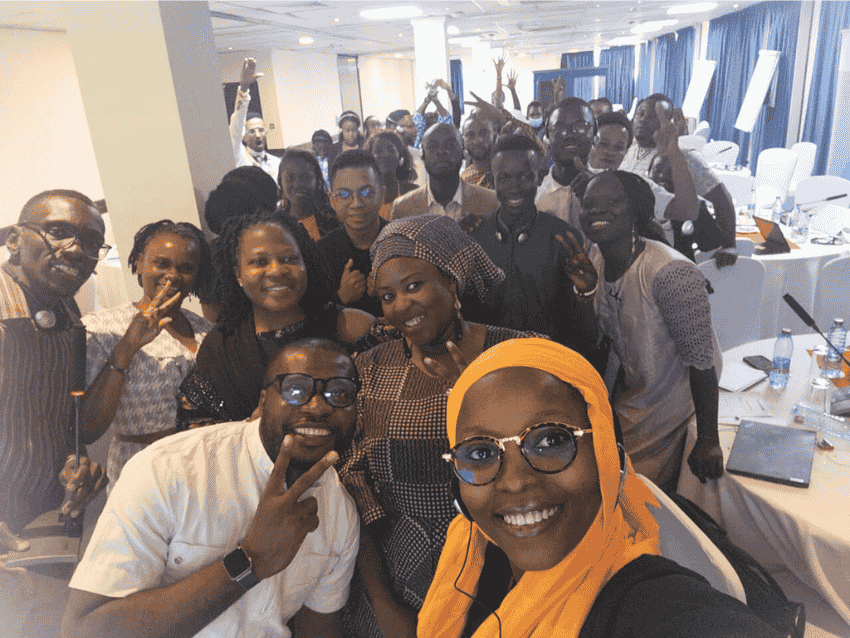
Knowledge SUCCESS a accueilli une cohorte bilingue de Learning Circles avec les points focaux jeunesse du FP2030 de l'Afrique de l'Est et du Sud (ESA) et de l'Afrique du Nord, de l'Ouest et du Centre (NWCA). En savoir plus sur les connaissances acquises lors de cette cohorte axée sur l'institutionnalisation des programmes de santé sexuelle et
Institutionalizing Adolescent and Youth Sexual and Reproductive Health Programs
Knowledge SUCCESS hosted a bilingual Learning Circles cohort with FP2030 Youth Focal Points from the East and Southern Africa (ESA) and North, West and Central Africa (NWCA) Hubs. Learn more about the insights uncovered from that cohort focused on institutionalizing adolescent and youth sexual and reproductive health programs.
Is Most Significant Change Useful for Evaluating Knowledge Management? 5 Things We Learned
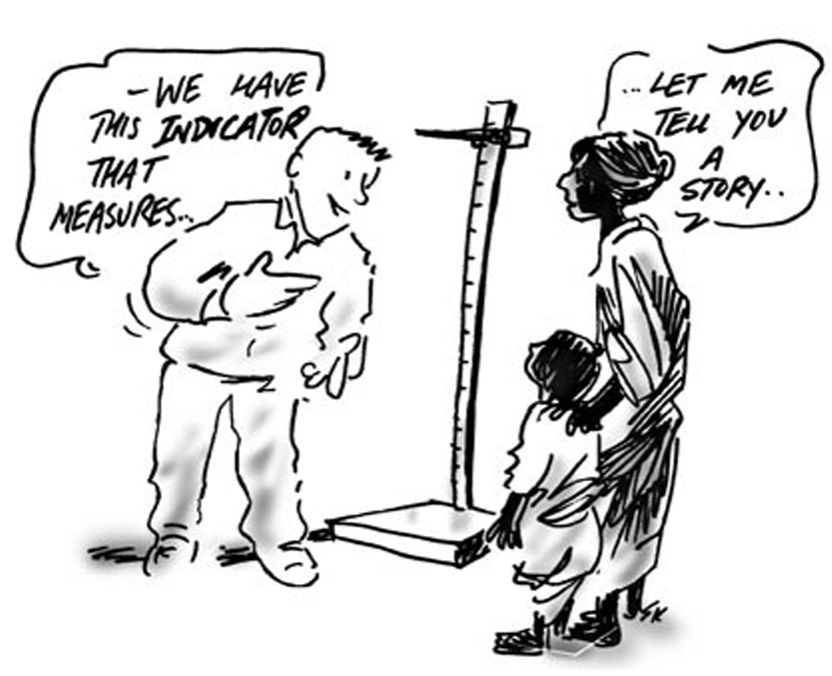
The Most Significant Change (MSC) technique—a complexity-aware monitoring and evaluation method—is based on collecting and analyzing stories of significant change to inform adaptive management of programs and contribute to their evaluation. Based on Knowledge SUCCESS’s experience with using the MSC questions in four evaluations of knowledge management (KM) initiatives, we have found it to be an