


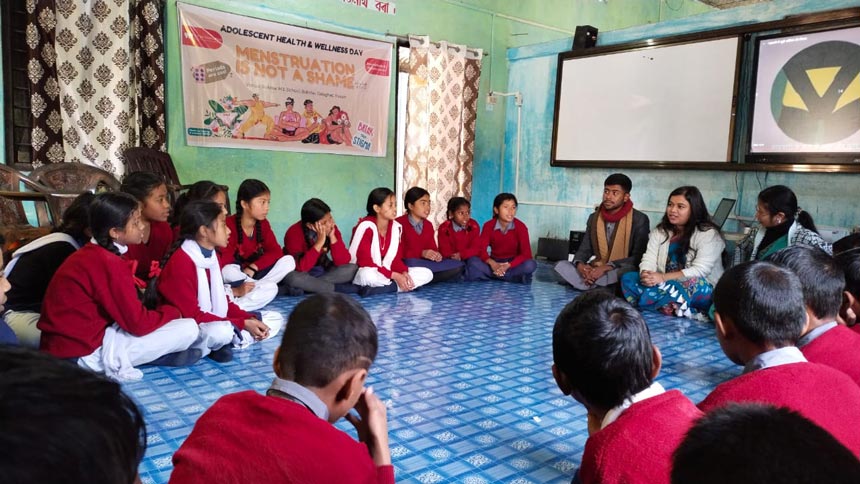
A KM Champion’s Journey to Incorporate Knowledge Management Into His Youth-led Work in India
Abhinav Pandey from the YP Foundation in India, emphasizes the importance of knowledge management (KM) in enhancing youth-led initiatives. Through his experiences as a KM Champion, he has integrated strategies like knowledge cafes and resource sharing to improve family planning and reproductive health programs across Asia, fostering collaboration among diverse organizations.

The Safe Love Project: Leveraging Dating Apps as a Tool to Ignite Essential Conversations About Sexual Health
The Safe Love initiative (India) by the Centre for Catalyzing Change (C3) (and with support from the Packard Foundation and TrulyMadly) leverages a popular Indian dating app to provide young people with essential sexual and reproductive health information, focusing on safer sex practices, contraceptive methods, and STI prevention. This project aims to educate and empower young

Spotlight on People-Planet Connection: Edith Ngunjiri on Blue Ventures
Blue Ventures started integrating health interventions, addressing a huge unmet need for family planning. We came to understand that we were addressing a health need which is part of a broader ecosystem consisting of conservation, health, livelihood, and other challenges.

FP UHC Blog Series: Ensuring Equitable Access to Family Planning in India’s Health Care System
Adapted from the soon to be published article “How Enhanced Engagement with The Private Sector Can Expand Access to Family Planning and Bring the World Closer to Universal Health Coverage” developed by Adam Lewis and FP2030.
Insights from Asia in Advancing Self-Care Use, Acceptability, and Access
On January 25, Knowledge SUCCESS hosted “Advancing Self-Care in Asia: Insights, Experiences, and Lessons Learned,” a panel conversation featuring experts from India, Pakistan, Nepal, and West Africa. The speakers discussed the feasibility and future of self-care for family planning (FP) in Asia and lessons learned from program experiences in West Africa.

Recap: Responding to the SRHR Needs of Indigenous Women and Girls
Earlier this year, Communities, Alliances & Networks (CAAN) and The World Health Organization’s (WHO) IBP Network partnered on a series of seven webinars on advancing the SRHR of Indigenous women living with HIV. Each webinar featured rich discussions, highlighting national plans and the status of Indigenous women living with HIV and other sexually transmitted infections in each country.

FP/RH Champion Spotlight: South-East Asia Youth Health Action Network (SYAN)
The South-East Asia Youth Health Action Network, or SYAN, is a WHO-SEARO-supported network that creates and strengthens the capacity of adolescent and youth groups in southeast Asian countries for effective advocacy and engagement in national adolescent health programs as well as regional and global policy dialogue platforms.
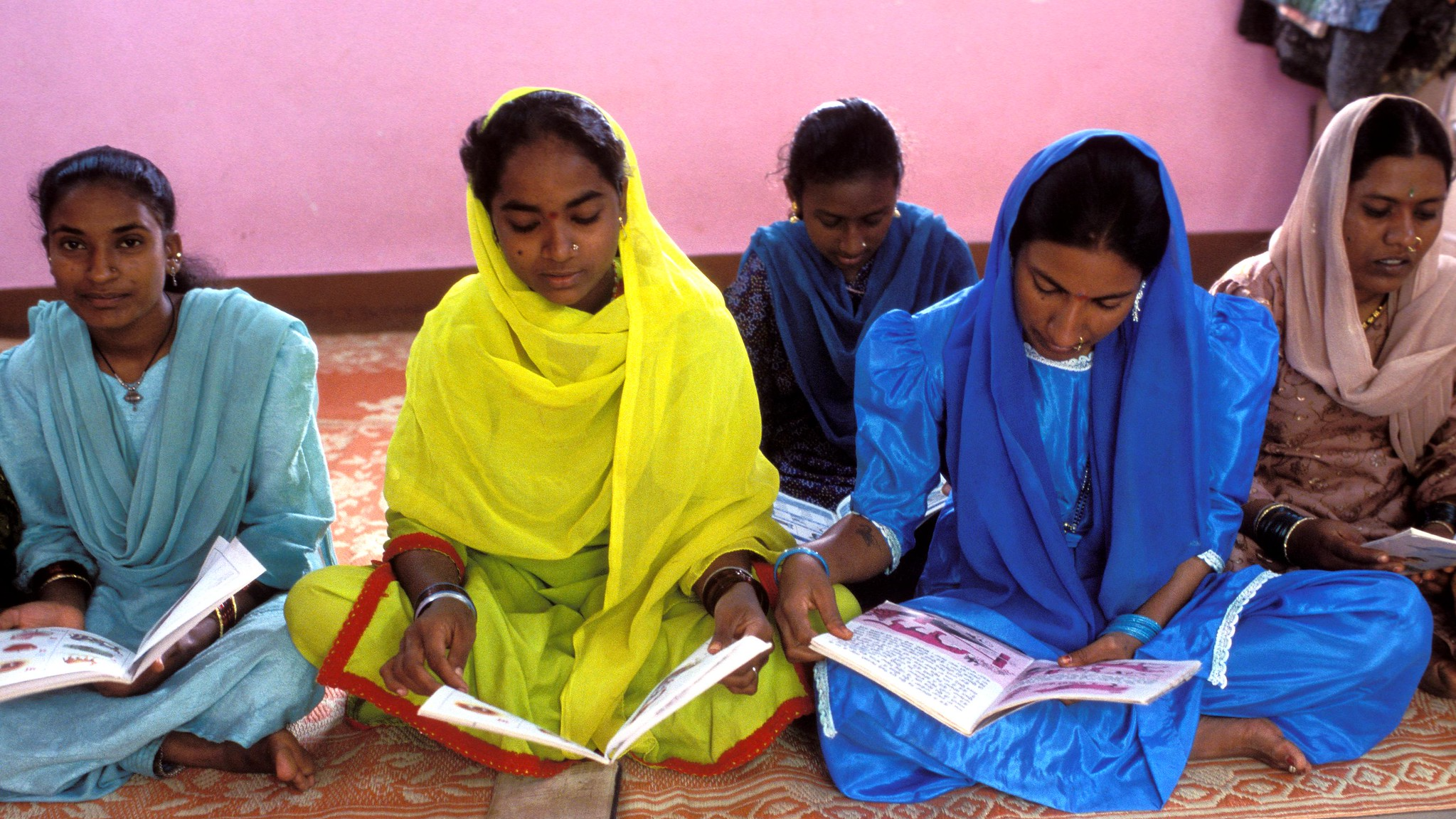
Meaningfully Engaging Youth: A Snapshot of the Asia Experience
On March 22, 2022, Knowledge SUCCESS hosted Meaningfully Engaging Youth: A Snapshot of the Asia Experience. The webinar highlighted experiences from four organizations in the Asia region working to co-create youth-friendly programs, ensure quality FP/RH services for youth, develop youth-friendly policies, and meet the FP/RH needs of youth at different levels of the health system. Did

Improving Contraceptive Use in Young First-time Parents
With India’s adolescent and youth population on the rise, the country’s government has sought to address this group’s unique challenges. India’s Ministry of Health & Family Welfare created the Rashtriya Kishor Swasthya Karyakram (RKSK) program to respond to the critical need for adolescent reproductive and sexual health services. Focusing on young first-time parents, the program employed
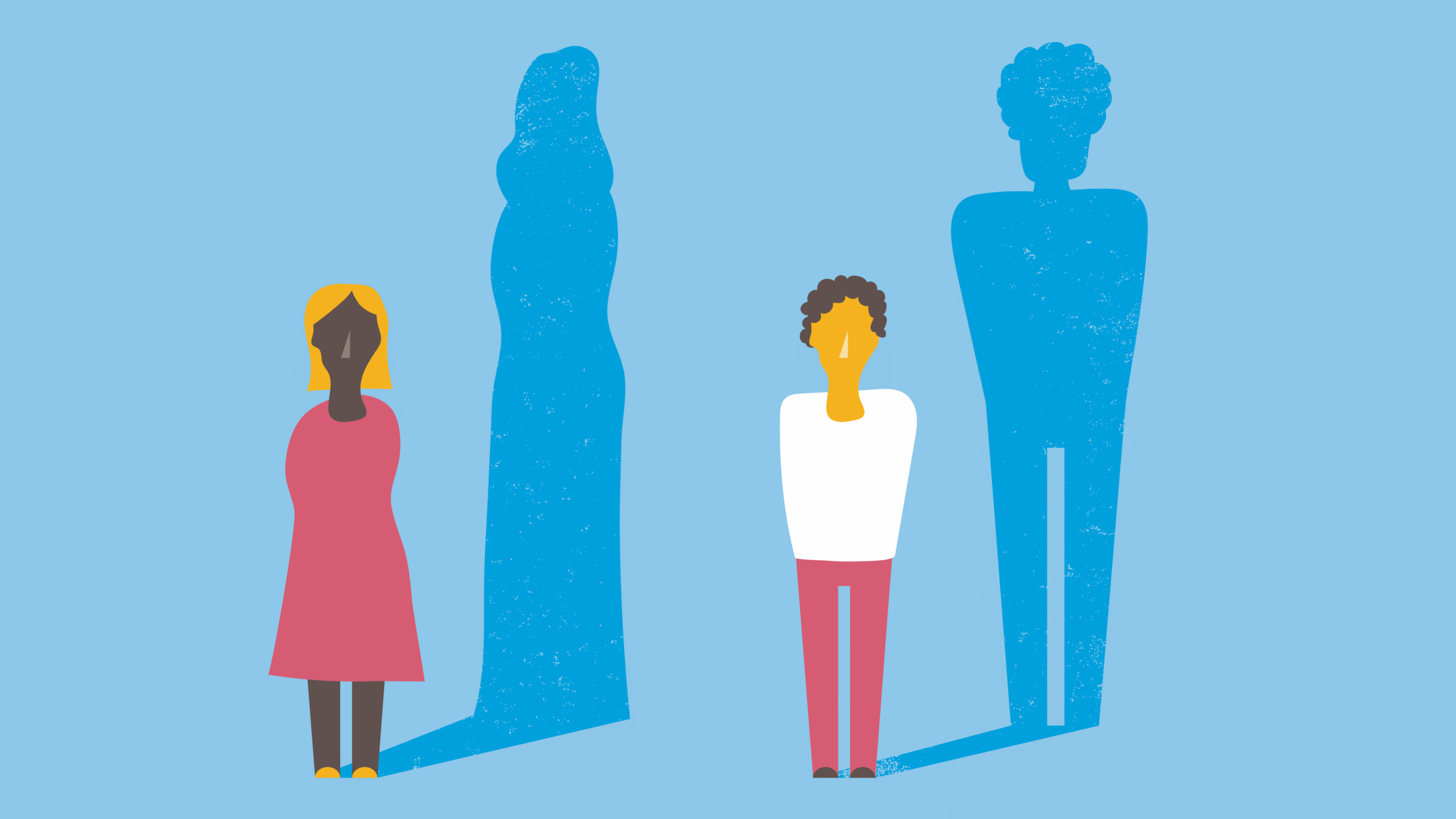
Addressing Young People’s SRH Needs in Humanitarian Settings
On July 22, 2021, Knowledge SUCCESS and FP2030 hosted the third session in the fourth module of the Connecting Conversations series: Celebrating the Diversity of Young People, Finding New Opportunities to Address Challenges, Building New Partnerships. This particular session focused on how to ensure that young people’s SRH needs are met in settings in which health