


Leveraging the Private Sector to Expand Access to Contraception in the Era of Decreasing Donor Funding
Historically subsidized by donors, FP services are now exploring new financing methods and delivery models to build resilient reproductive health systems. Learn how these countries are leveraging private sector contributions to expand the reach of FP services and meet their FP goals. Read more about these innovative approaches in our latest blog post.
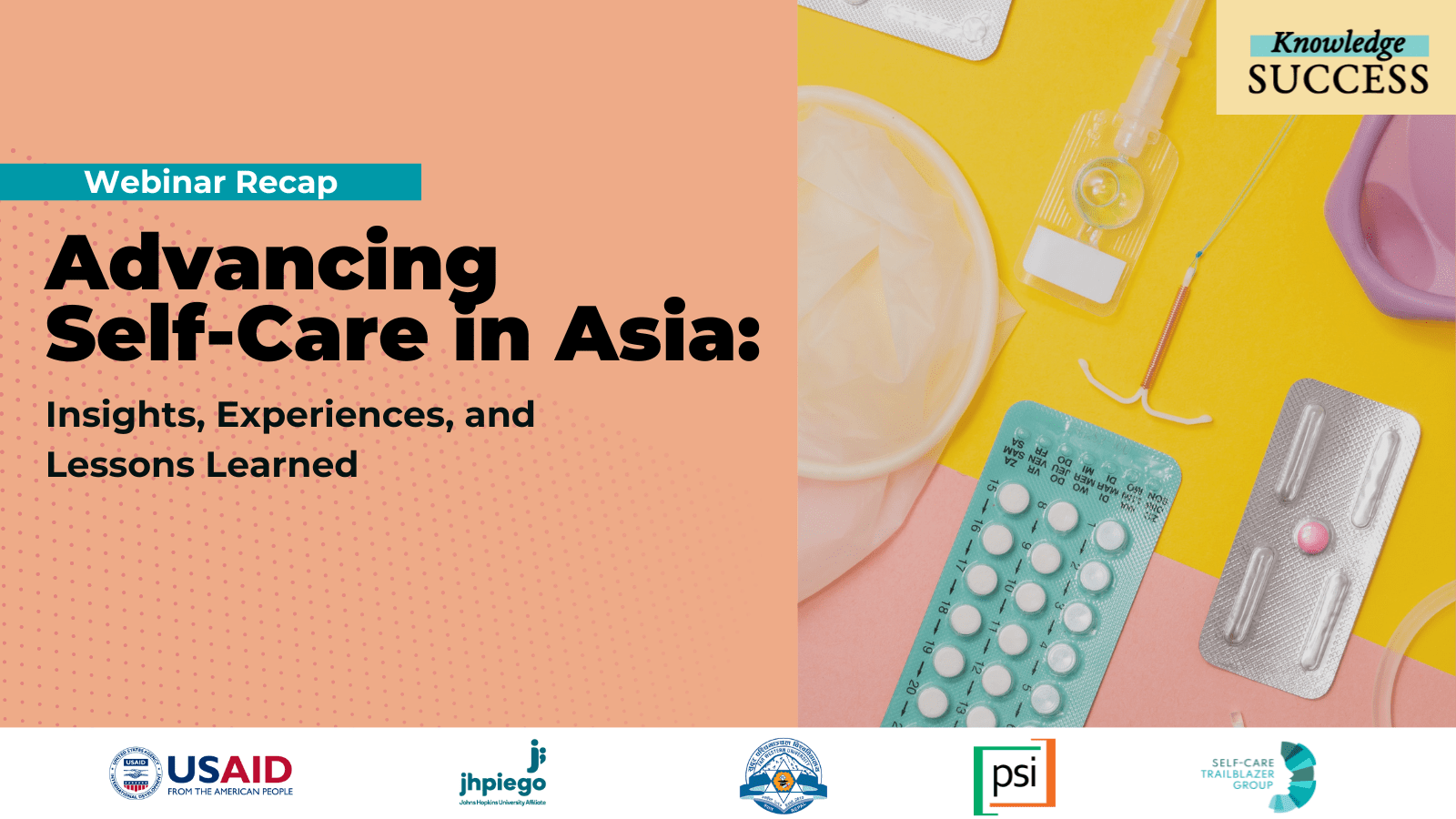
Insights from Asia in Advancing Self-Care Use, Acceptability, and Access
On January 25, Knowledge SUCCESS hosted “Advancing Self-Care in Asia: Insights, Experiences, and Lessons Learned,” a panel conversation featuring experts from India, Pakistan, Nepal, and West Africa. The speakers discussed the feasibility and future of self-care for family planning (FP) in Asia and lessons learned from program experiences in West Africa.
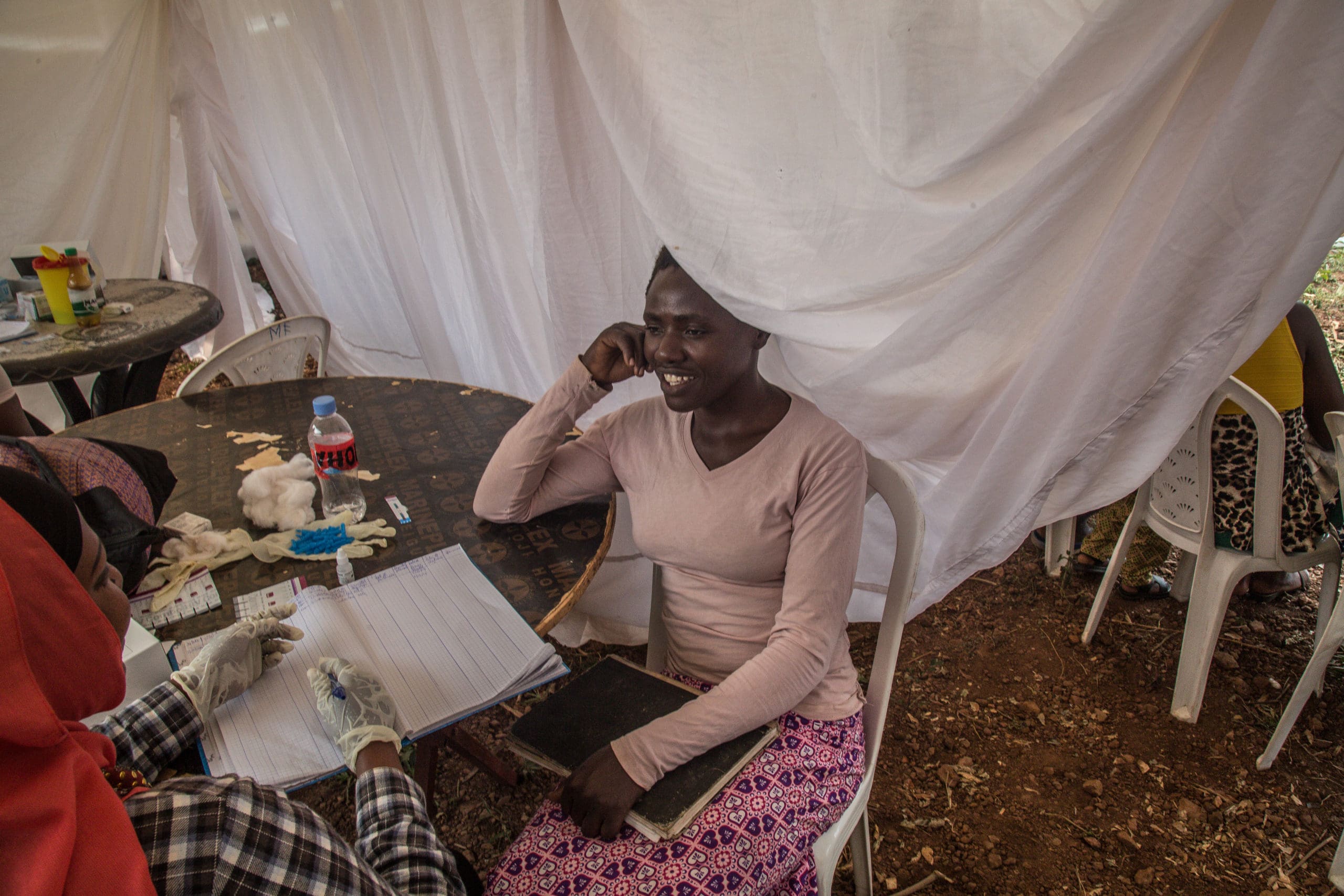
40 Years of HIV and AIDS: Where Integration with Family Planning Programs and Technologies Fits In
As we mark the thirty-fourth World AIDS Day on December 1, 2022, more needs to be done to ensure that HIV is prevented, treated, and eventually eradicated.

Making Gloves, Forceps, and Other Supplies More Than an Afterthought
Massive improvements in our family planning (FP) supply chains in recent years have generated an expanded and more reliable method choice for women and girls around the world. But while we celebrate such success, one nagging issue that warrants attention is the corresponding equipment and consumable supplies, like gloves and forceps, necessary to administer these contraceptives:

Kenya Includes Contraceptive Injections in Its Pharmacist Training Package
Working alongside family planning advocates, Jhpiego Kenya applied the nine-step SMART advocacy approach to engage stakeholders in the creation of a new pharmacist training package. The updated curriculum includes that includes instruction on providing contraceptive injectables DMPA-IM and DMPA-SC.

Implementing DMPA-SC Self-Injection During COVID-19 in Four Francophone Countries
Recap of a webinar on high-impact approaches to support the introduction and scale-up of the self-injectable contraceptive DMPA-SC in Francophone family planning programs in Burkina Faso, Guinea, Mali, and Togo.
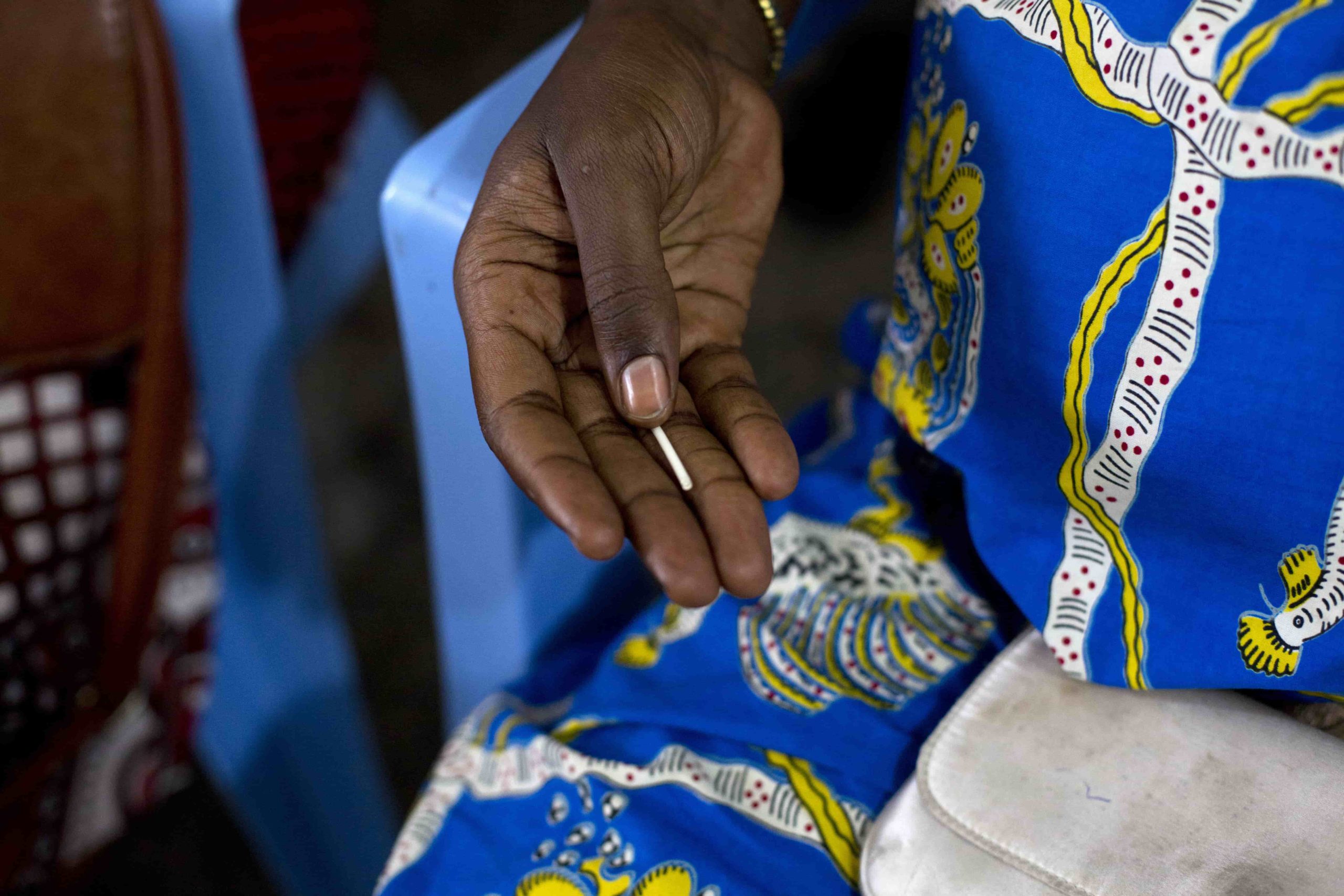
Time to Tweak Those Training Materials and Service Delivery Guidelines!
Program managers and healthcare providers who offer the one-rod contraceptive implant, Implanon NXT, should be aware of recent updates that affect the product’s administration. This change is in-process around the world, including countries where Implanon NXT is available at the reduced, market access, price.
Expériences de Mise En Œuvre de l’Auto-Injection du DMPA-SC Pendant COVID-19 dans quatre pays Francophones
Recapulatif du webinaire sur les approches à haut impact pour l’introduction et le passage à l’échelle de l'utilisation de la contraception auto-injectable.
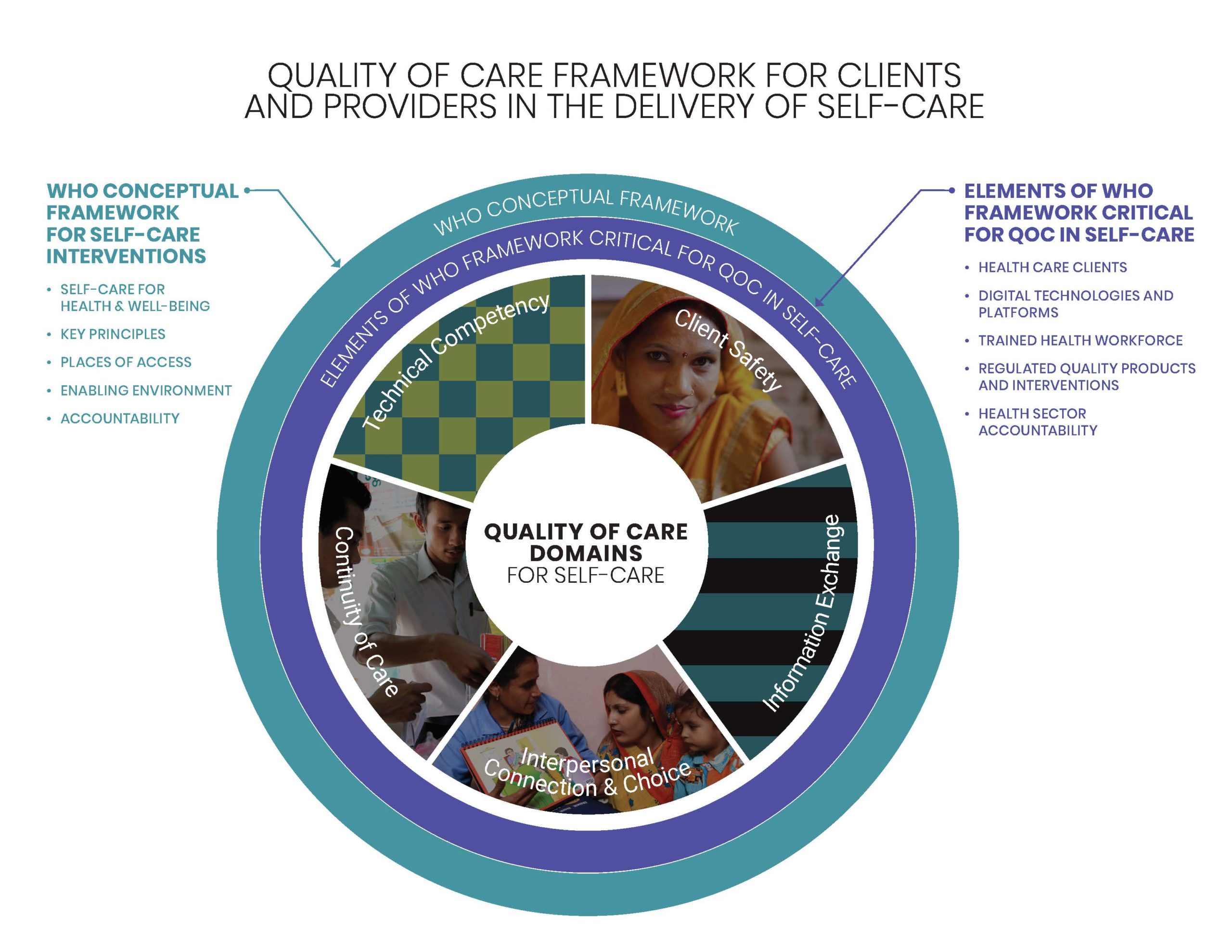
A New Quality of Care Framework to Measure and Respond to People’s Experience with Self-Care
To mark International Self-Care Day, Population Services International and partners under the Self-Care Trailblazers Working Group are sharing a new Quality of Care Framework for Self-Care to help health systems monitor and support clients accessing health care on their own—without hindering clients’ ability to do so. Adapted from the Bruce-Jain family planning quality of care framework,

Reimagining Delivery of Essential Health Care
With the prospect of delivering an effective COVID-19 vaccine ever changing, public health professionals have a responsibility to ensure uninterrupted access to essential health care to women and their families. We must take this opportunity to reinvigorate health systems strengthening efforts that prioritize decentralized, community-based and client-focused mechanisms for accessing health products, services and information.