


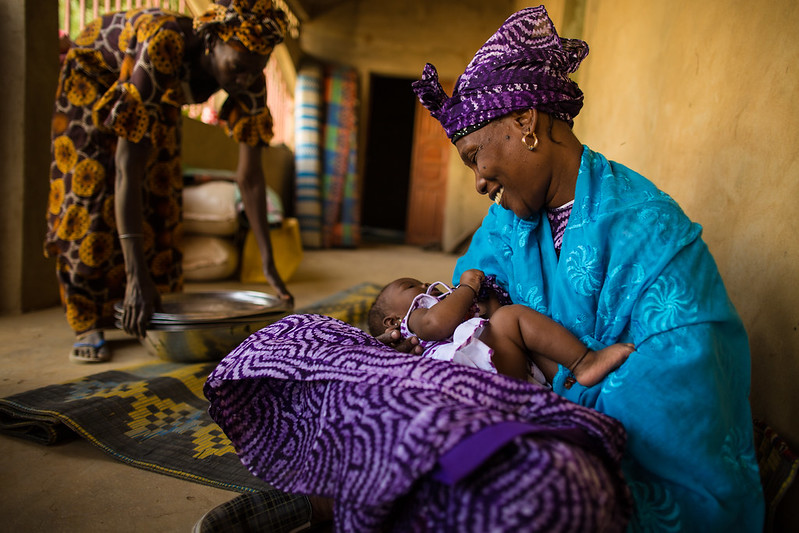
Integrating Knowledge Management Into Senegal’s Self-Care Guidelines
Gain insights on the vital role of Senegal's self-care guidelines and their impact on reproductive health goals. And, delve into the intersection of knowledge management and self-care guidelines, showcasing the collaborative efforts between Senegal and Knowledge SUCCESS.
Intégrer La Gestion Des Connaissances Dans Les Directives D’Autosoins Du Senegal
Obtenez des perspectives sur le rôle essentiel des directives d'auto-soins du Sénégal et leur impact sur les objectifs de santé reproductive. Plongez également dans l'intersection entre la gestion des connaissances et les directives d'auto-soins, mettant en lumière les efforts collaboratifs entre le Sénégal et Knowledge SUCCESS.
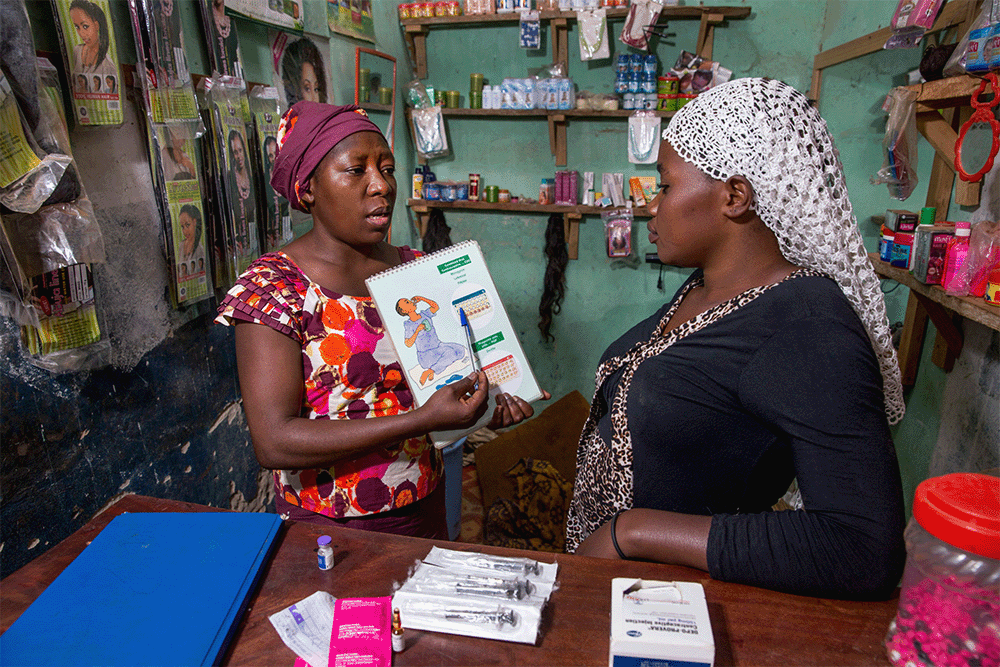
The Drug Shop Operators Handbook
In July 2021, USAID’s Research for Scalable Solutions (R4S) project, led by FHI 360, released the Drug Shop Operators' Provision of Injectable Contraception manual. The handbook shows how drug shop operators can coordinate with the public health system to safely provide an expanded method mix that includes injectables, as well as training for clients on self-injection.

Condoms: A Tried-and-True Family Planning Innovation
Approximately 121 million unintended pregnancies occurred each year between 2015 and 2019. When used correctly, female condoms are 95% effective at preventing pregnancy and sexually transmitted infection. Male (external) condoms provide a nearly impermeable barrier to particles the size of STI pathogens and HIV and are 98% effective at pregnancy prevention when used properly. Condoms remain

Kenya Includes Contraceptive Injections in Its Pharmacist Training Package
Working alongside family planning advocates, Jhpiego Kenya applied the nine-step SMART advocacy approach to engage stakeholders in the creation of a new pharmacist training package. The updated curriculum includes that includes instruction on providing contraceptive injectables DMPA-IM and DMPA-SC.
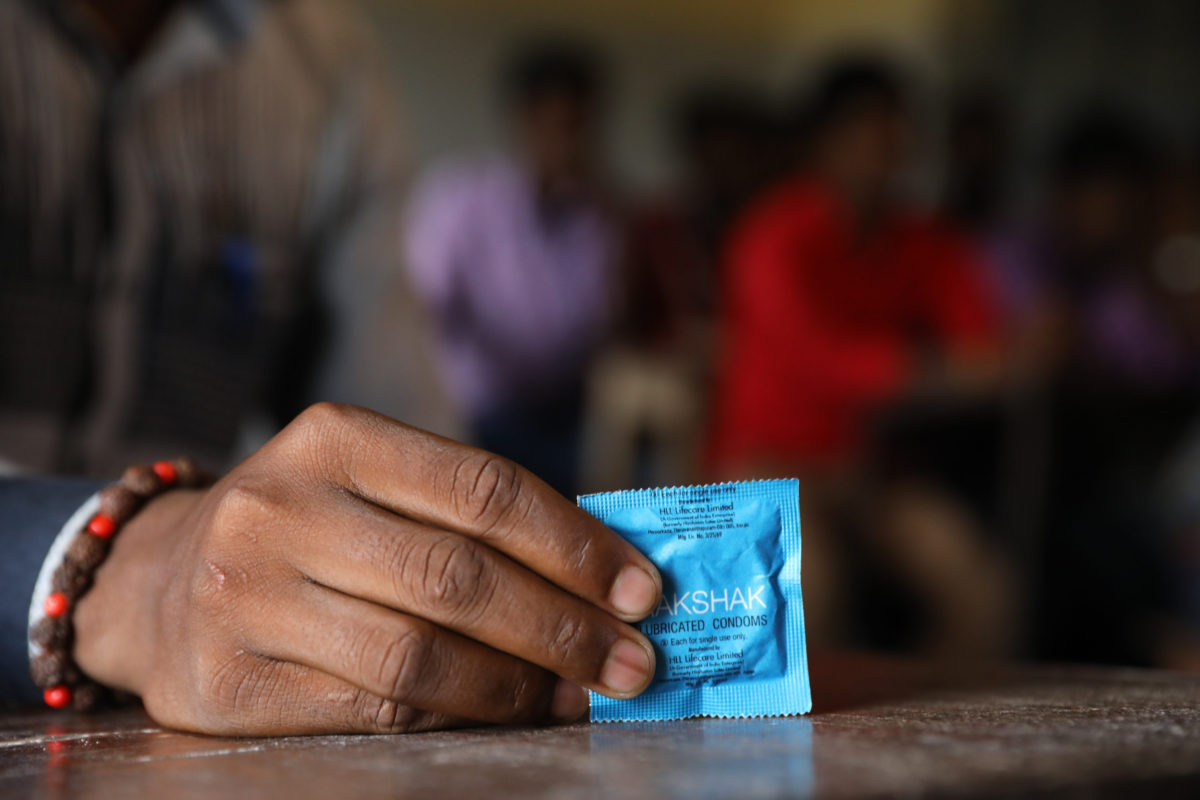
Condoms and Family Planning: 20 Essential Resources
Many people forget the power of condoms as a family planning tool. This collection reminds us how condoms remain relevant even as FP/RH innovations arise.
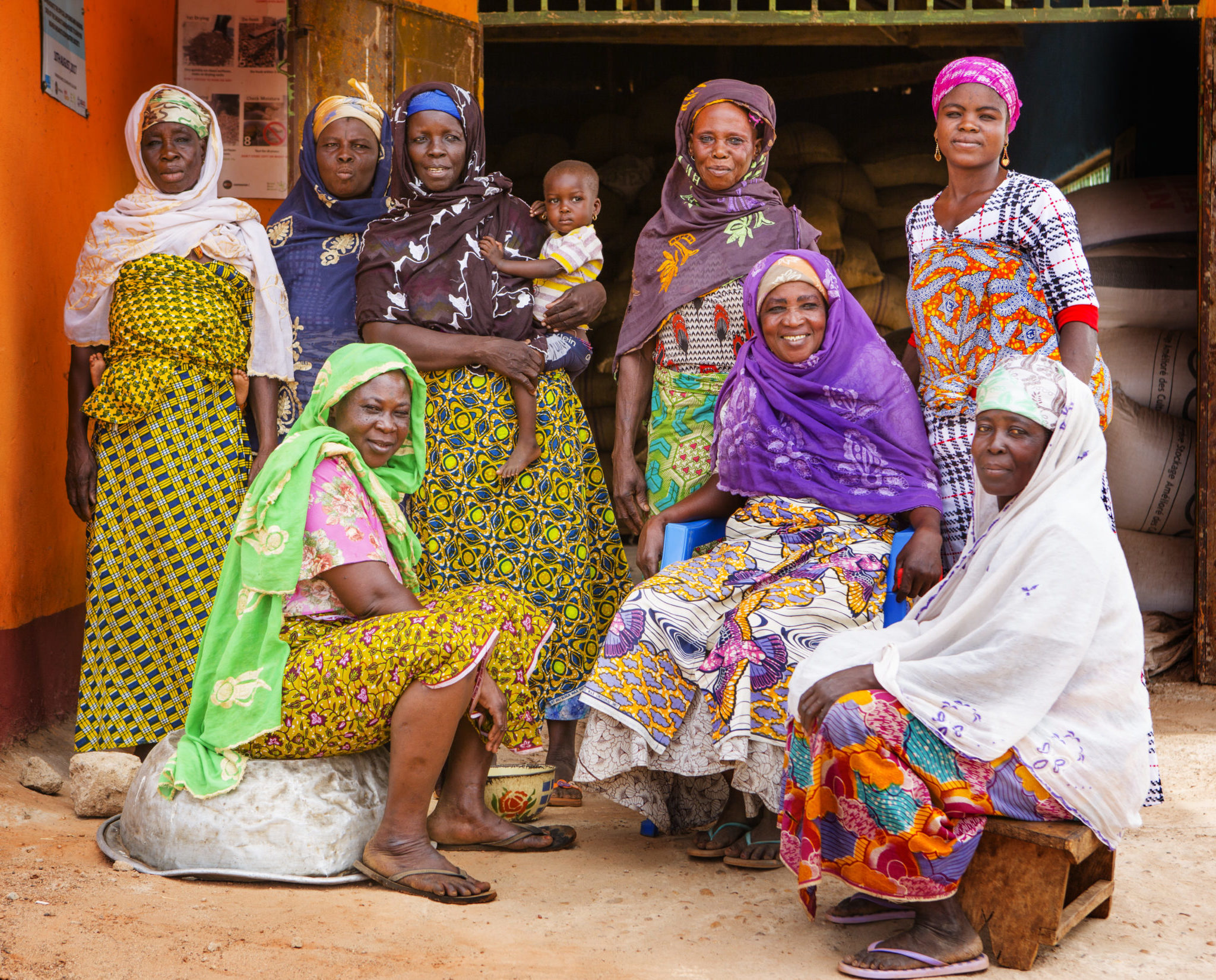
Fertility Awareness-Based Method Use in Ghana
A recent Global Health: Science and Practice (GHSP) article examined the use of fertility awareness-based methods (FABMs) in Ghana to gain knowledge on women who use them to avoid pregnancy. Few studies in low- and middle-income countries have estimated the use of FABM. Understanding who is using these methods contributes to family planning/reproductive health program professionals’
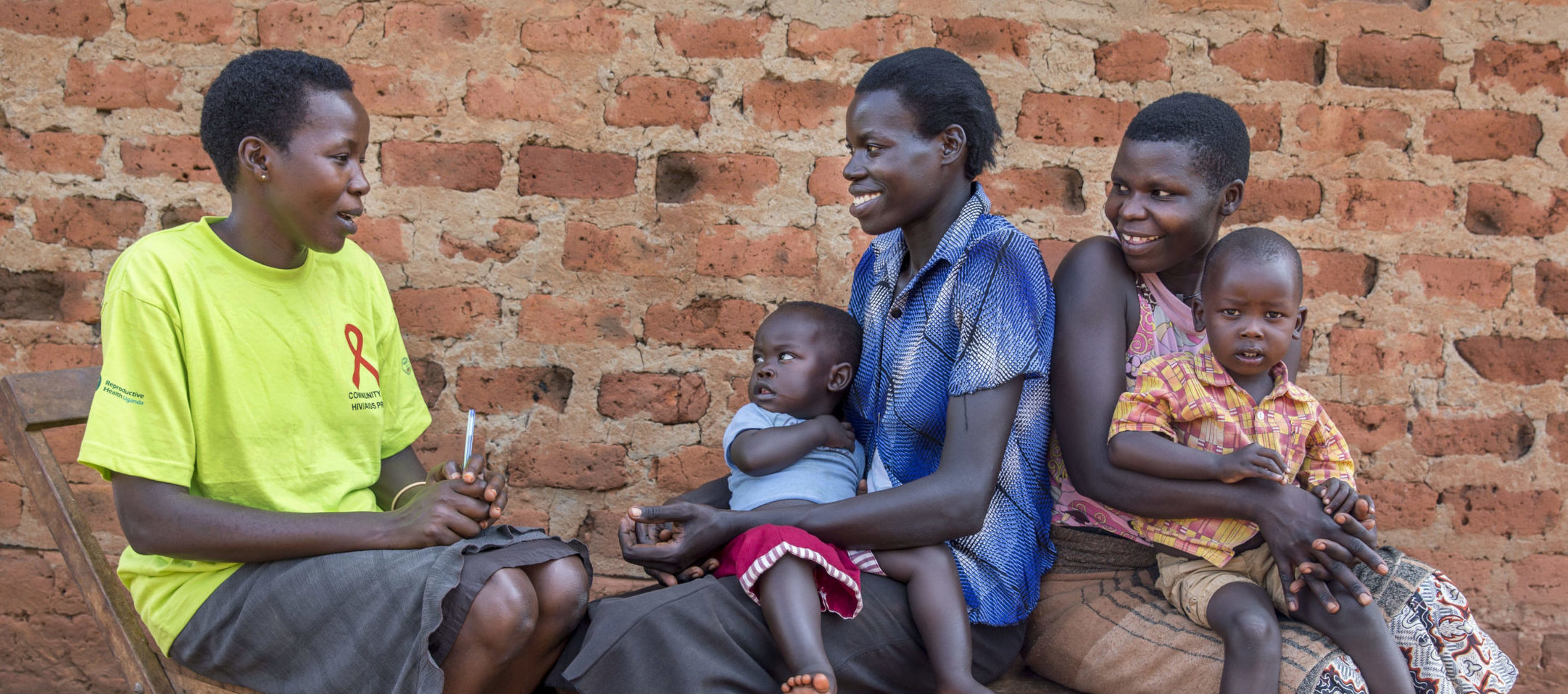
Advancing Self-Care in Uganda
Health care systems across the globe have always been based on a provider-to-client model. However, the introduction of new technology and products, and the increasing ease of access to information, has caused a shift in how health services can be delivered—placing clients at the center of health care. Various health areas, including sexual and reproductive health
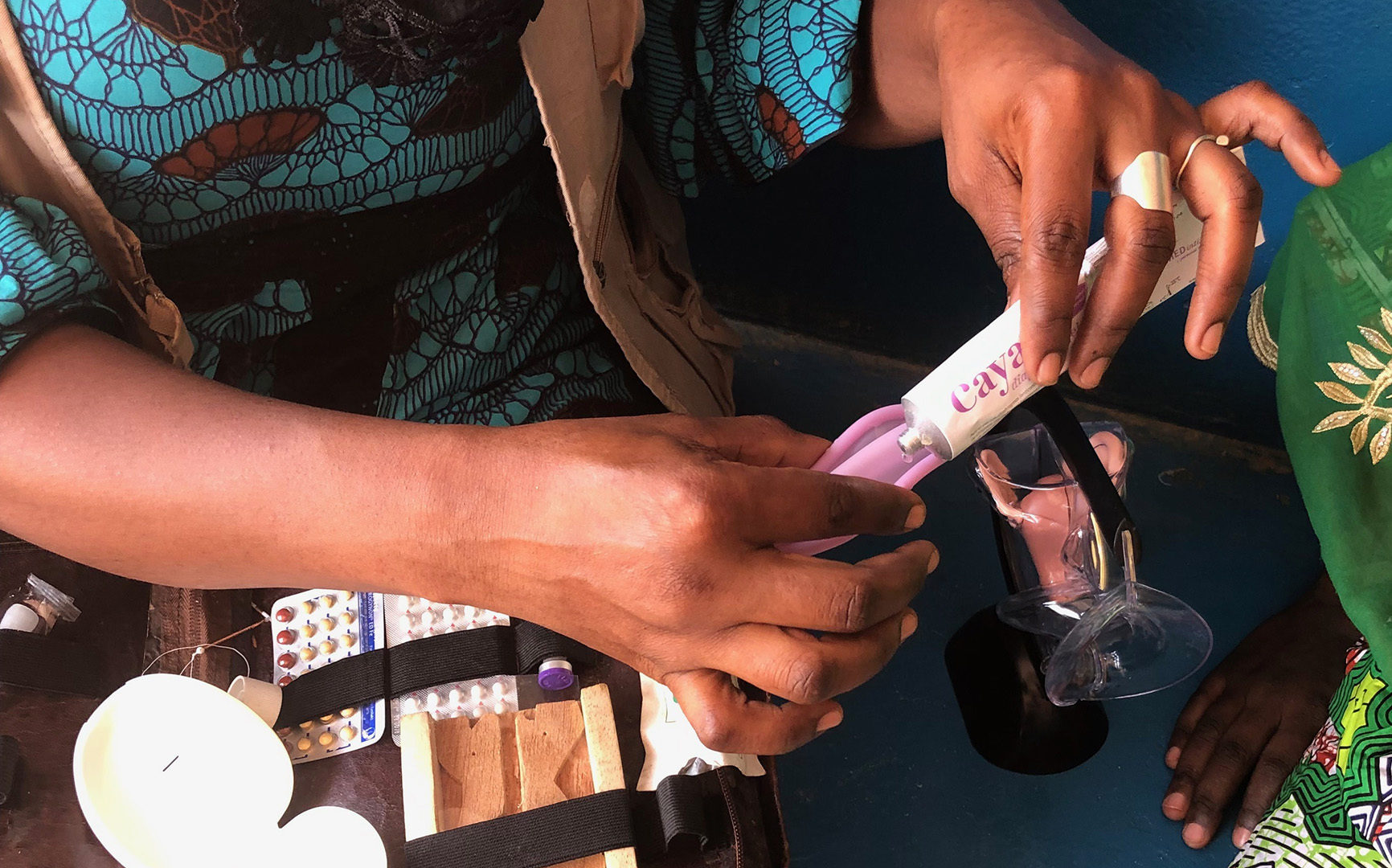
Introducing 20 Essential Resources: Contraceptive Product Introduction
The Expanding Effective Contraceptive Options (EECO) project is delighted to partner with Knowledge SUCCESS to bring you this curated collection of resources to guide the introduction of new contraceptive products.

Reflections on advances in DMPA-SC and self-injection
FHI 360’s Catherine Packer shares a personal perspective on DMPA-SC’s past ten years, from early research to recent workshops. Since its introduction—and particularly since it became available for self-injection—DMPA-SC has become an important part of the global family planning and reproductive health landscape.