


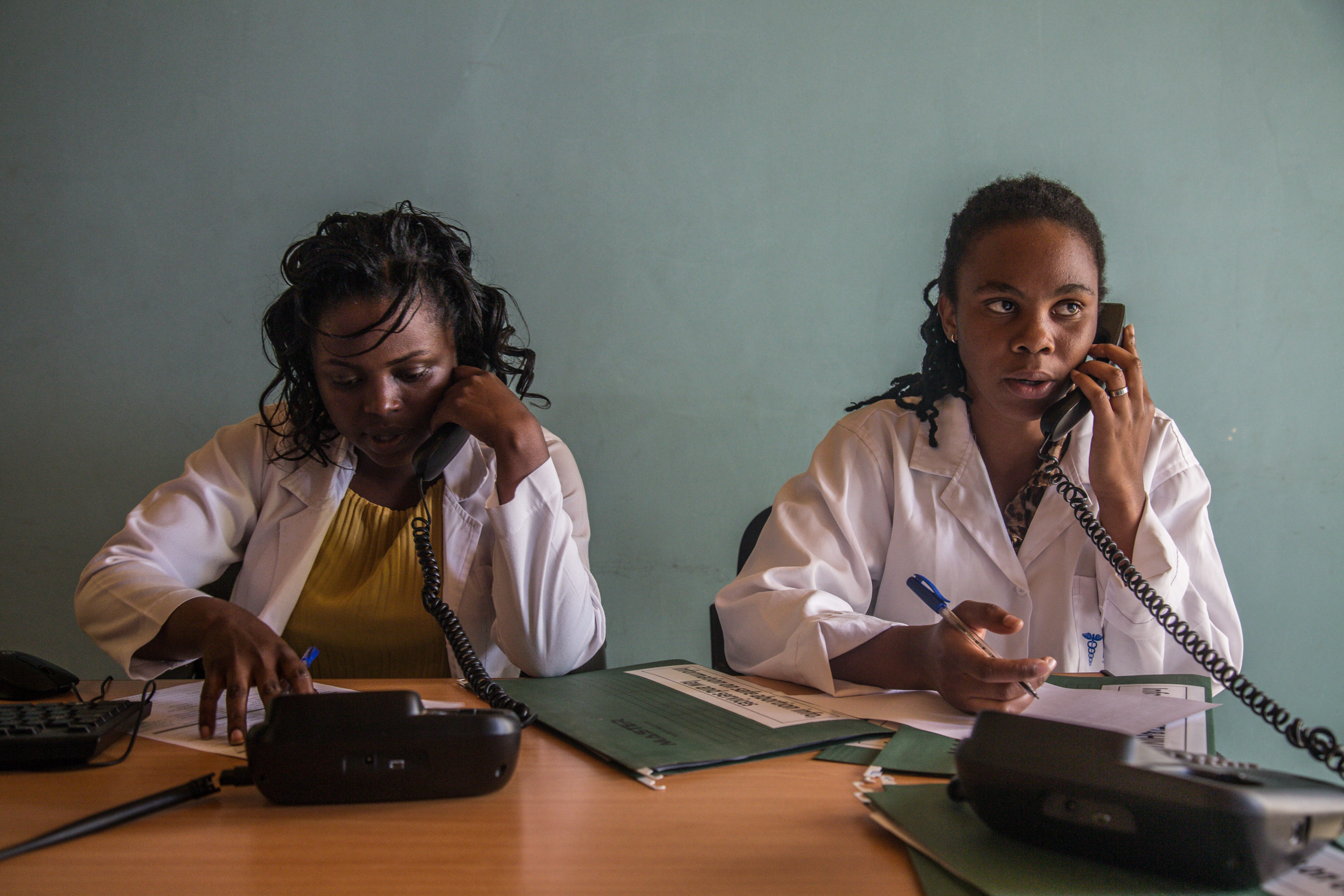
Improving Counseling Quality to Better Meet Women’s Contraceptive Needs
This article summarizes important findings from several Global Health: Science and Practice Journal articles that report on contraceptive method discontinuation and issues related to quality of care and counseling.
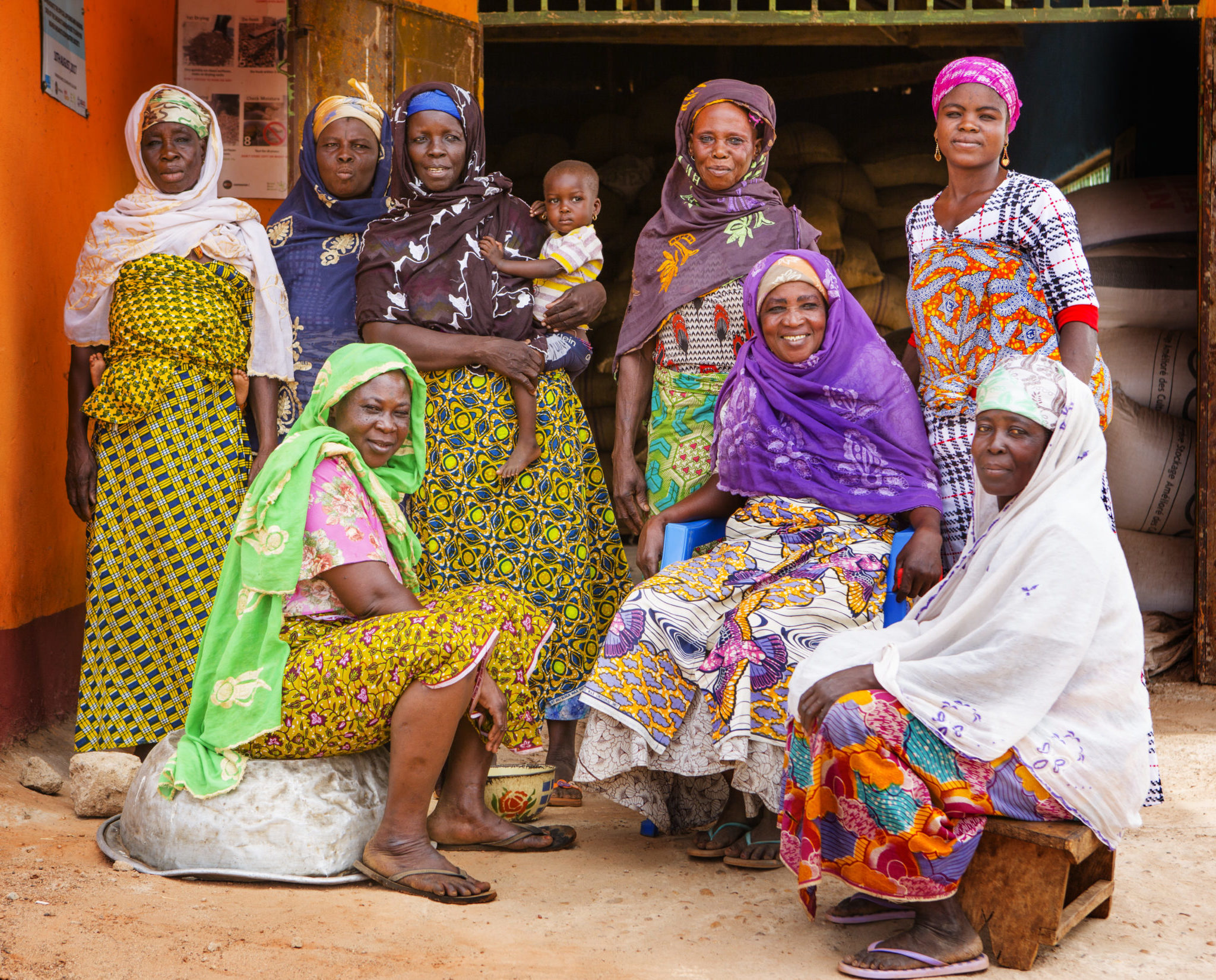
Fertility Awareness-Based Method Use in Ghana
A recent Global Health: Science and Practice (GHSP) article examined the use of fertility awareness-based methods (FABMs) in Ghana to gain knowledge on women who use them to avoid pregnancy. Few studies in low- and middle-income countries have estimated the use of FABM. Understanding who is using these methods contributes to family planning/reproductive health program professionals’
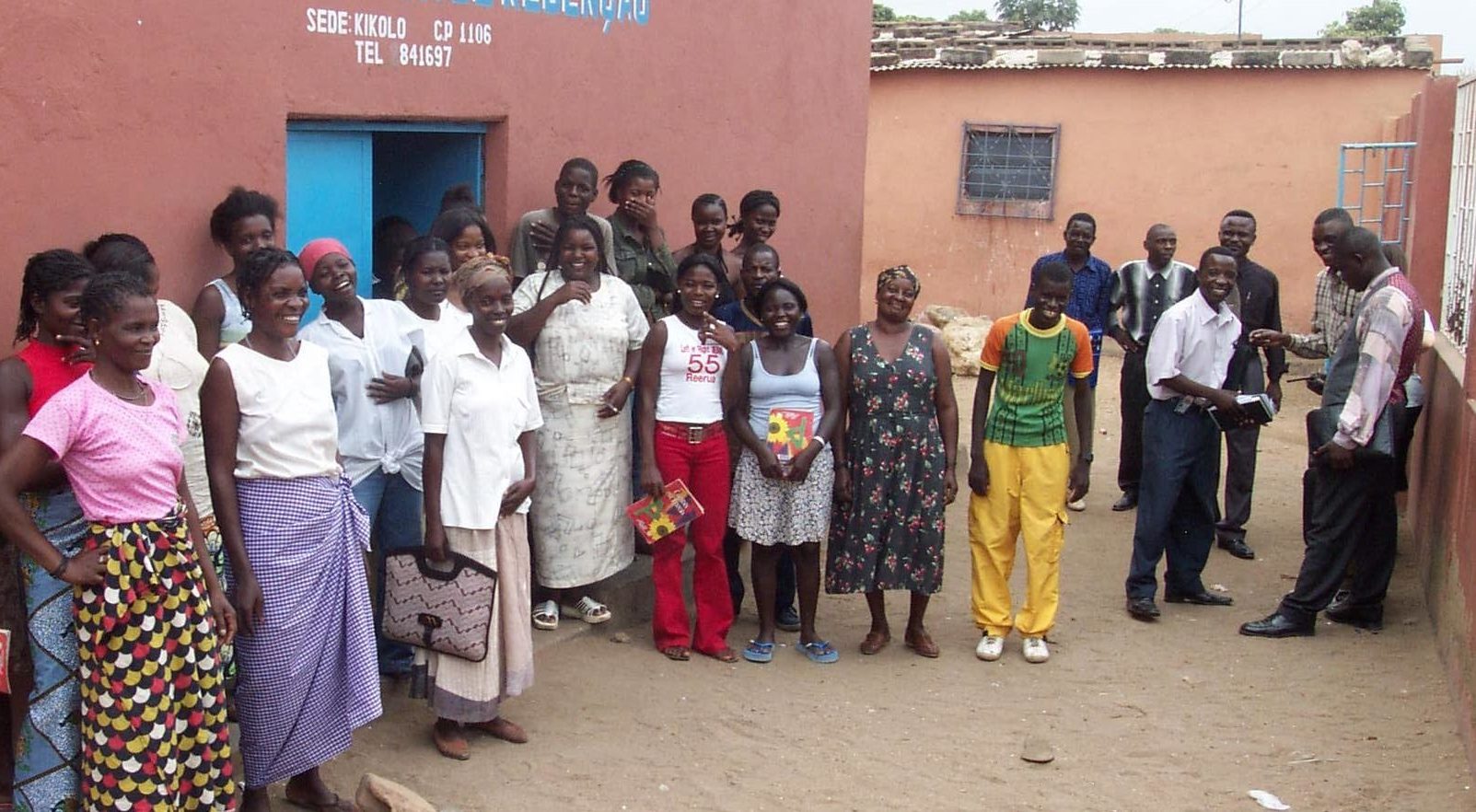
Engaging Faith-Based Organizations in Family Planning Advocacy
Faith-based organizations (FBOs) and faith institutions are often perceived as not supporting family planning (FP). However, FBOs have publicly shown support for FP for some time and play a vital role in health care service delivery, particularly in sub-Saharan Africa.

Global Health Science and Practice Technical Exchange: Join Us!
The Global Health Science and Practice Technical Exchange (GHTechX) will take place virtually from April 21 - 24, 2021. The event is curated through a partnership between USAID, the George Washington University, and the Global Health: Science and Practice journal. GHTechX seeks to convene speakers and technical sessions that highlight the latest and greatest in global

Top 10 Voluntary Family Planning Articles of 2020
Before this remarkable year ends, we’re taking a look back at the most popular Global Health: Science and Practice Journal (GHSP) articles on voluntary family planning in the last year according to you—our readers—that garnered the most reads, citations, and attention.

Postabortion Care and Postpartum Family Planning During COVID-19
Preserving voluntary family planning as an essential service amid the COVID-19 pandemic has been the clarion call for global actors in the family planning and reproductive health field. How do we also ensure that women seeking postpartum or postabortion care don’t fall in the gaps?

How Should We Measure Contraceptive Use Among Unmarried Women
This article features key insights from one of the authors of a recent study, which examined standardizing measurement of contraceptive use among unmarried women. The study found that sexual recency (the last time women report being sexually active) is an important indicator to determine unmet need and contraceptive prevalence among unmarried women, but not among married

The Open Birth Interval Tells a Story
The open birth interval reveals a pattern that varies by a woman’s age, the number of living children she has, her residence, and her socioeconomic level. More importantly, the open interval could reveal a lot about her reproductive behavior, status, and contraceptive needs.

We Know HIV and Family Planning Service Integration Works. But Are We Doing It?
This article explores recent research on the extent that family planning has been incorporated into HIV services in Malawi and discusses implementation challenges throughout the world.

Understanding Provider Bias in Family Planning
This interactive article summarizes the different types of provider bias in family planning services, how widespread provider bias is, and how it can be effectively addressed.