



Spotlight on FP2030 Family Planning Commitments
Through a long-term partnership, FP2030 and Knowledge SUCCESS have used KM techniques to summarize country commitments in shareable formats that anyone can easily understand and expand documentation expertise among FP2030 Focal Points.

Making Gloves, Forceps, and Other Supplies More Than an Afterthought
Massive improvements in our family planning (FP) supply chains in recent years have generated an expanded and more reliable method choice for women and girls around the world. But while we celebrate such success, one nagging issue that warrants attention is the corresponding equipment and consumable supplies, like gloves and forceps, necessary to administer these contraceptives:
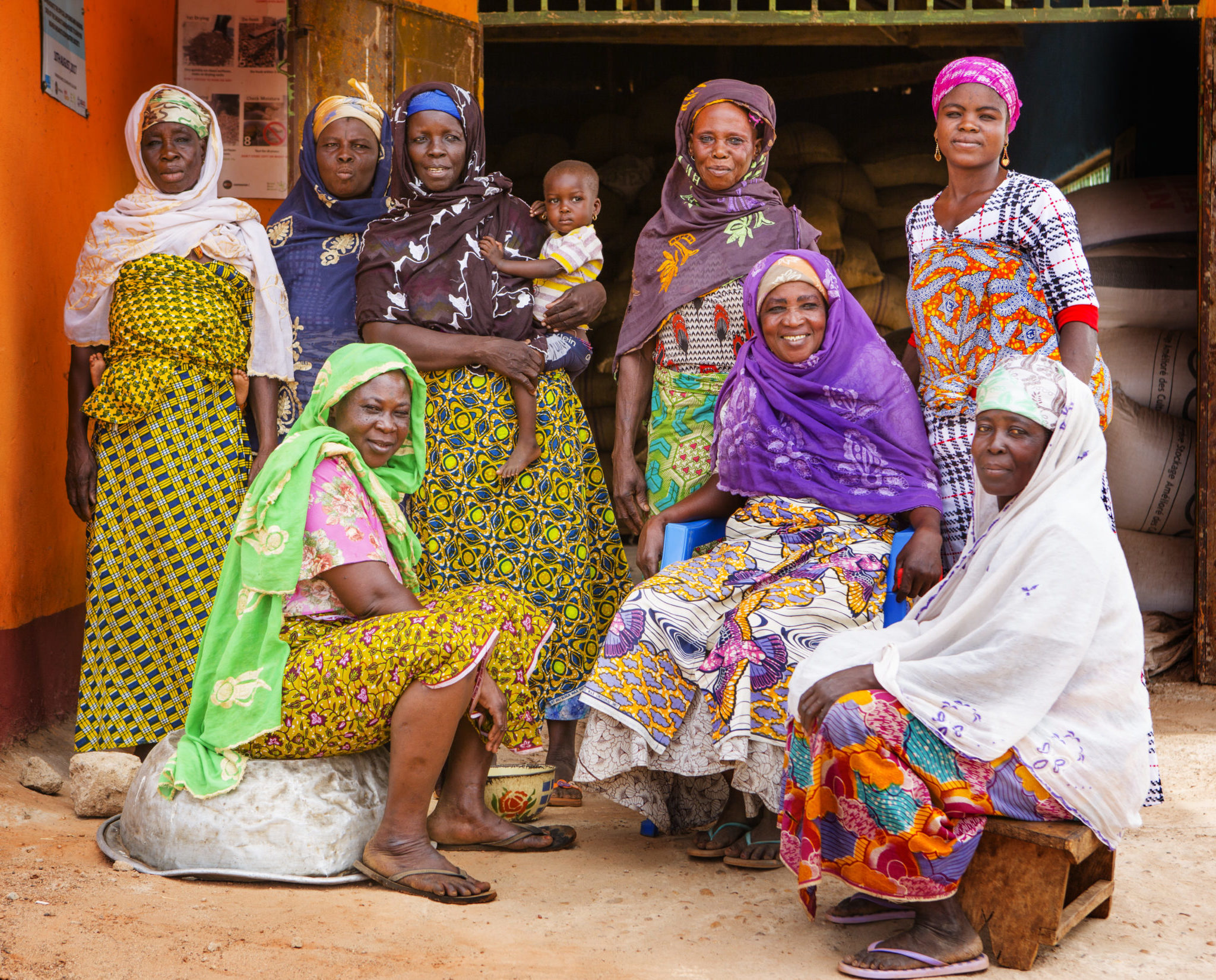
Fertility Awareness-Based Method Use in Ghana
A recent Global Health: Science and Practice (GHSP) article examined the use of fertility awareness-based methods (FABMs) in Ghana to gain knowledge on women who use them to avoid pregnancy. Few studies in low- and middle-income countries have estimated the use of FABM. Understanding who is using these methods contributes to family planning/reproductive health program professionals’

Lessons from Ghana to Inform DMPA-SC Safe Storage and Disposal
Providing women with containers for DMPA-subcutaneous (DMPA-SC) storage and sharps can help to encourage safe self-injection practices at home. Improper disposal in pit latrines or open spaces remains an implementation challenge to safely scaling this popular and highly effective method. With training from health providers and a provided puncture-proof container, self-injection clients enrolled in a pilot

Recap of “Connecting Conversations” Series: Conducting a Strong Needs Assessment
On September 9, Knowledge SUCCESS & FP2020 hosted the fifth and final session in the first module of the Connecting Conversations series. Missed this session? The presentation slides are available to download at the end of this recap. Due to a computer error, only the French recording is available. Registration is now open for the
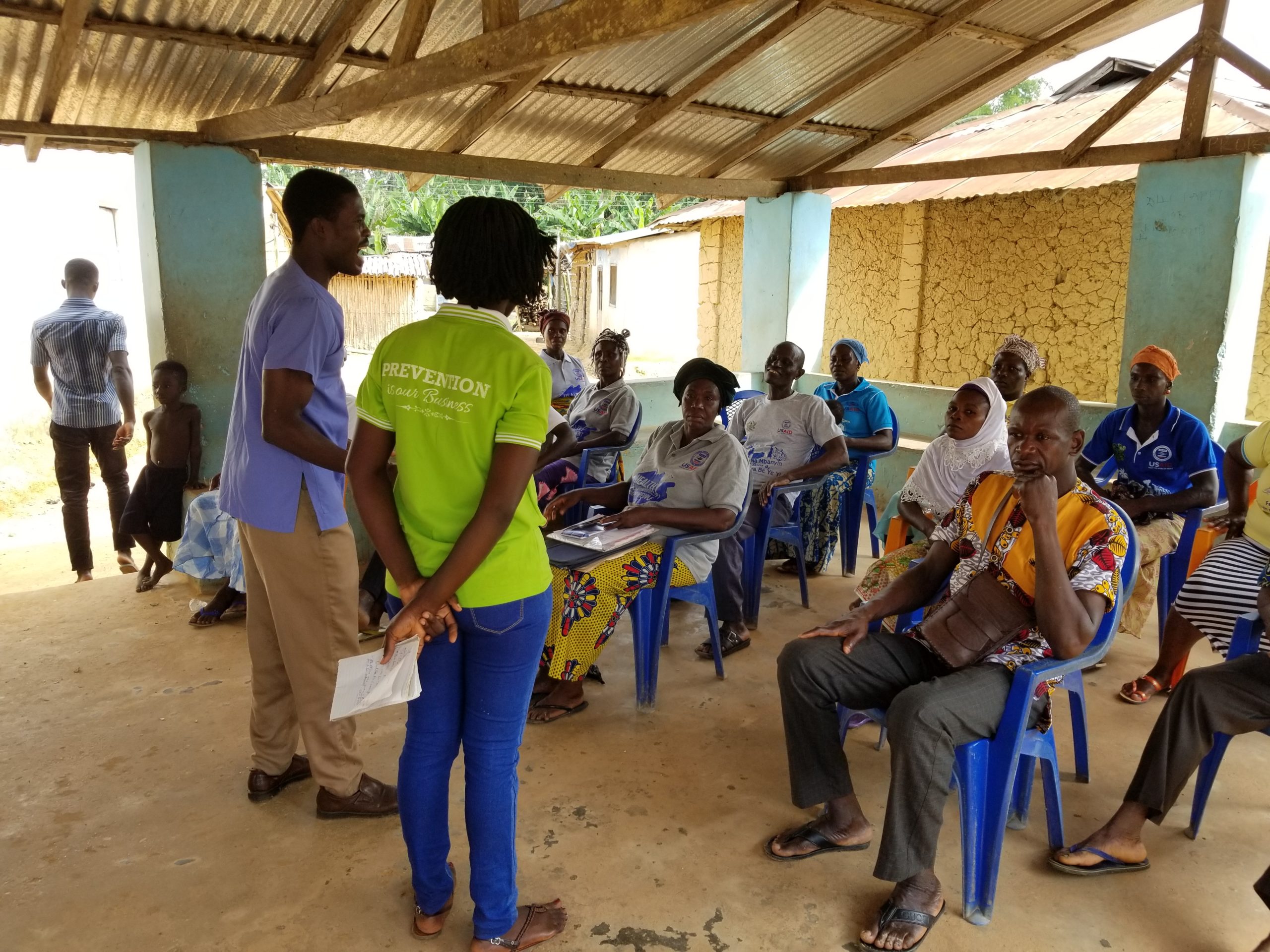
Hen Mpoano: Building a Healthy Environment and Healthy Families at the Last Mile
Ghanaian nonprofit Hen Mpoano implements and supports coastal and marine ecosystems governance projects and best practices. Tamar Abrams talks with Hen Mpoano's deputy director about a recent project that took a Population, Health, and Environment (PHE) approach, integrating the health of both the environment and those who live there.