


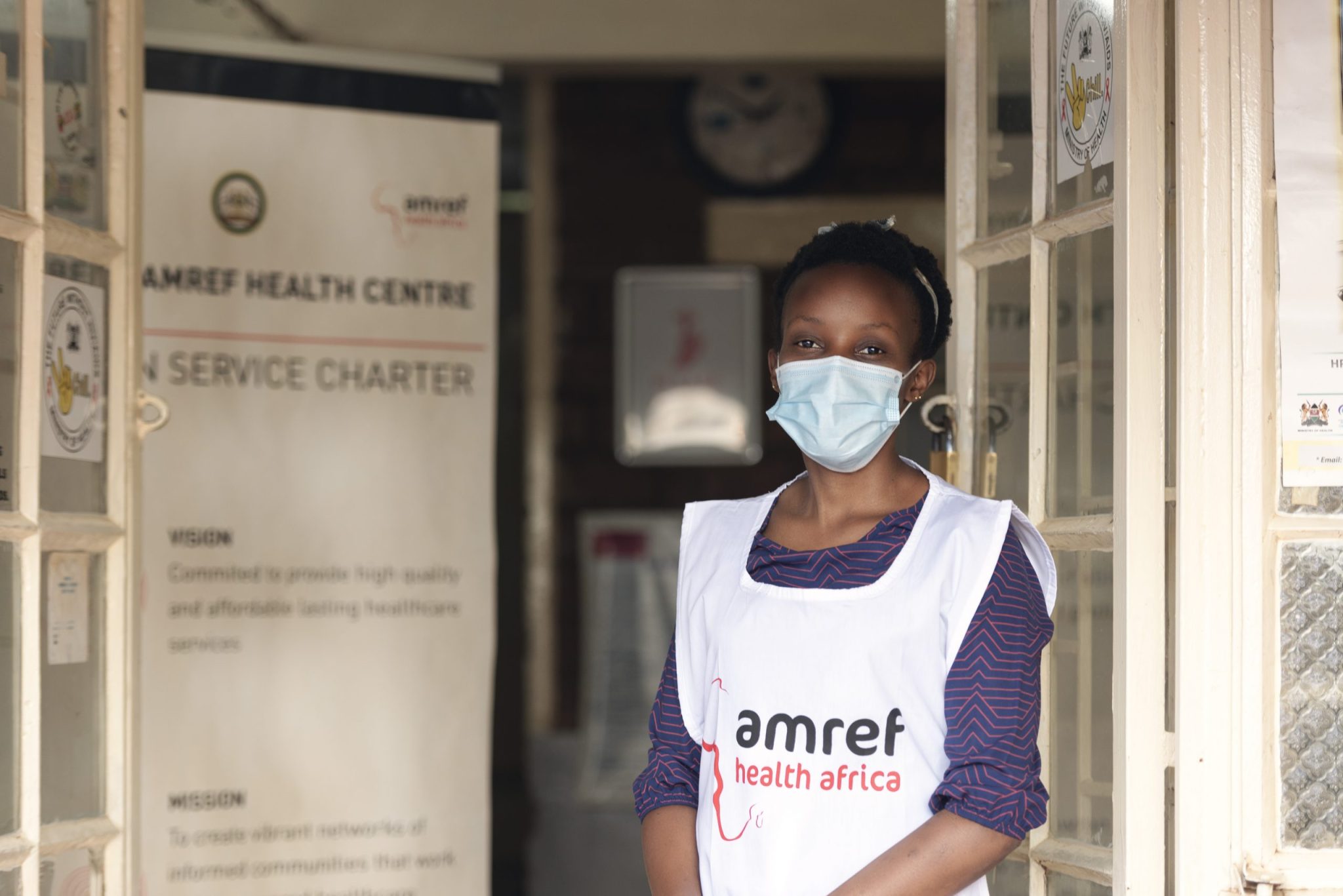
Integrating FP/RH into HIV Programming: Experiences from the Kibera Reach 90 Project
The integration of voluntary family planning and reproductive health care (FP/RH) with HIV service provision ensures FP information and services are made available to women and couples living with HIV without discrimination. Our partners at Amref Health Africa discuss the challenges of effectively addressing FP needs for vulnerable clients living in informal settlements and slum areas,

“Connecting Conversations” Series Launches
On July 15, Knowledge SUCCESS and FP2020 launched our new webinar series, "Connecting Conversations"—a series of discussions on adolescent and youth reproductive health. Missed the first webinar? Our recap is below, and so are links to watch for yourself and register for future sessions.

Did You Miss FP2020’s Webinar on “Exploring Digital Platforms for Family Planning During COVID-19”?
FP2020's webinar on digital health for family planning during the COVID-19 pandemic brought together presenters from a variety of projects, all of which are leveraging technology to meet the needs of their clients in new ways. Missed the webinar? Our recap is below, and so are links to watch for yourself.
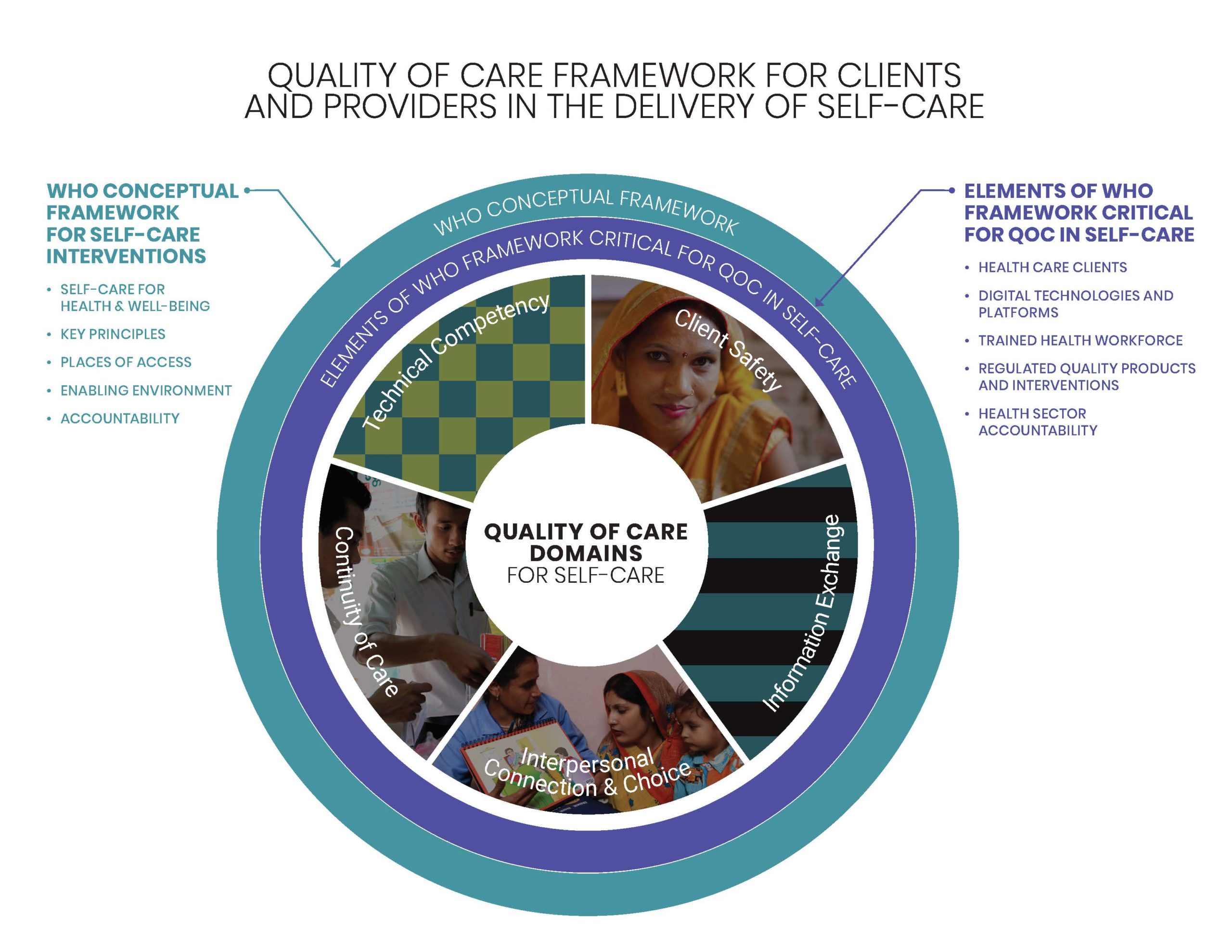
A New Quality of Care Framework to Measure and Respond to People’s Experience with Self-Care
To mark International Self-Care Day, Population Services International and partners under the Self-Care Trailblazers Working Group are sharing a new Quality of Care Framework for Self-Care to help health systems monitor and support clients accessing health care on their own—without hindering clients’ ability to do so. Adapted from the Bruce-Jain family planning quality of care framework,

Malawi’s Self-Care Success Story: Rapid Introduction of Self-Injectable Contraception
The chronicle of Malawi’s rapid, efficient introduction of self-injected subcutaneous DMPA (DMPA-SC) into the method mix is a model of teamwork and coordination. Although this process typically takes about 10 years, Malawi achieved it in fewer than three. Self-injected DMPA-SC epitomizes the ideal of self-care by empowering women to learn how to inject themselves, and has
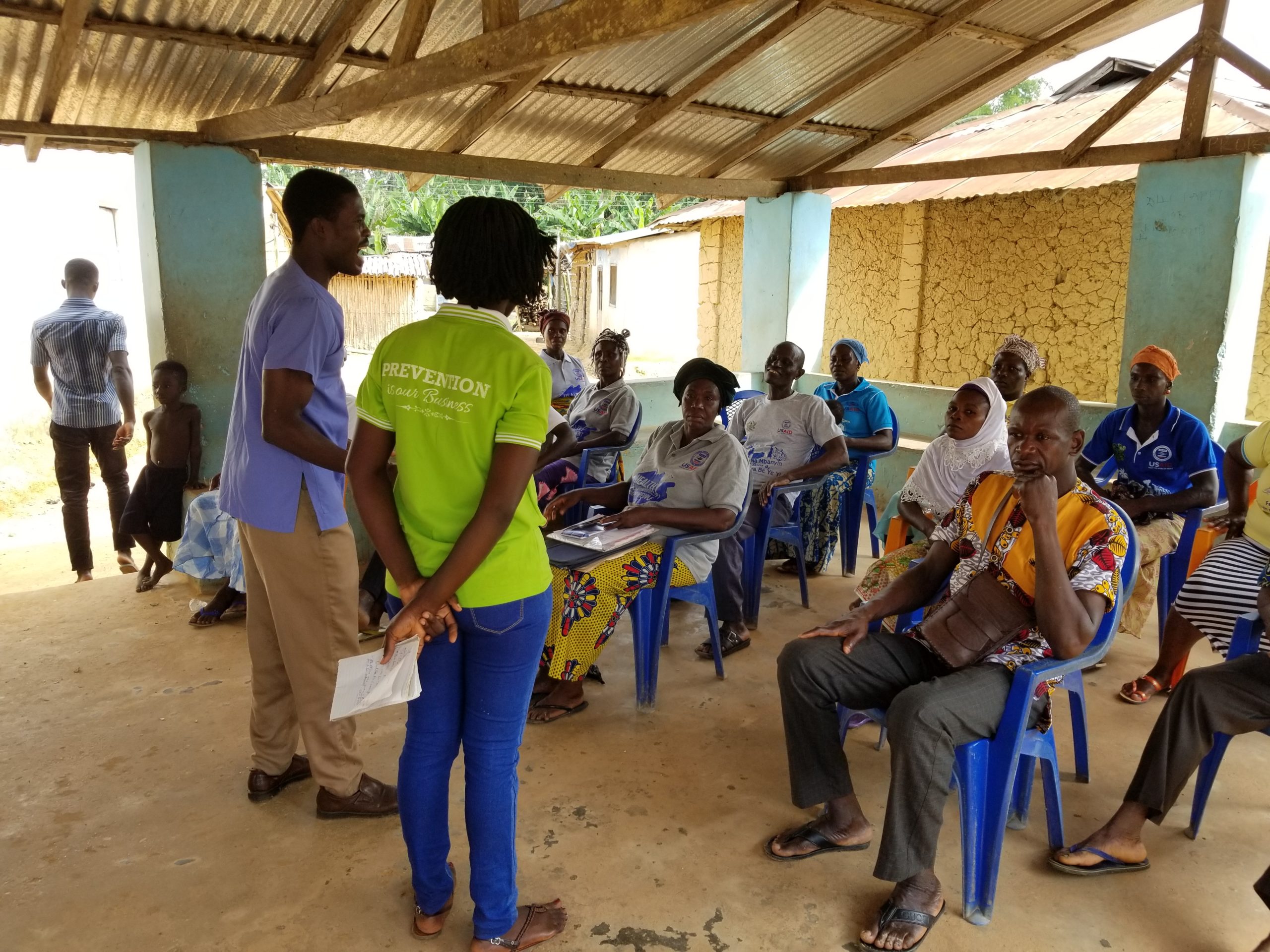
Hen Mpoano: Building a Healthy Environment and Healthy Families at the Last Mile
Ghanaian nonprofit Hen Mpoano implements and supports coastal and marine ecosystems governance projects and best practices. Tamar Abrams talks with Hen Mpoano's deputy director about a recent project that took a Population, Health, and Environment (PHE) approach, integrating the health of both the environment and those who live there.
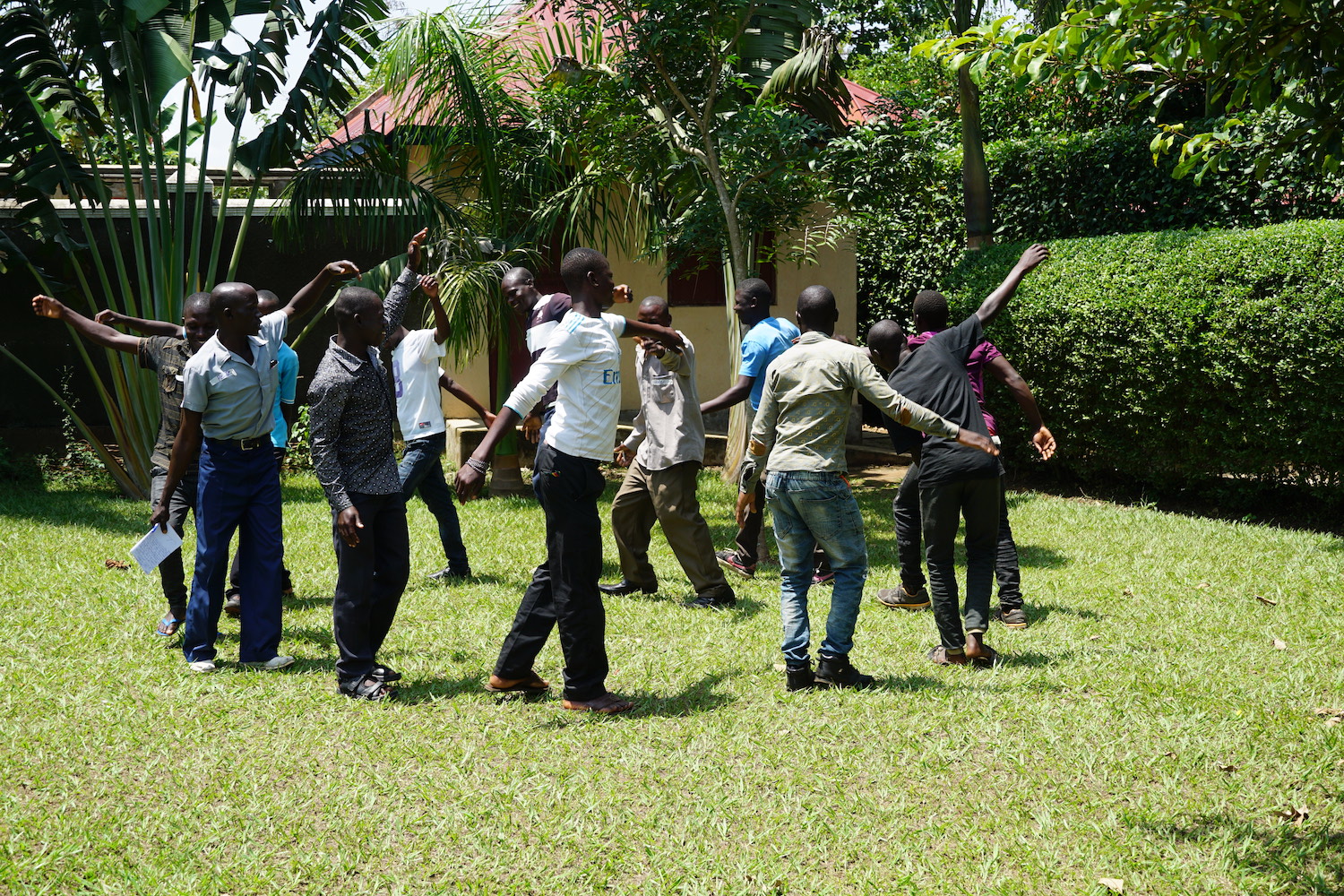
Young Emanzi: Mentoring Boys and Young Men to Develop Healthy, Gender-Equitable Relationships
FHI 360 developed and implemented a multicomponent mentoring program for ABYM (ages 15–24) called Young Emanzi. The program promotes positive gender norms, gender-equitable and healthy relationships, and economic productivity while also addressing the reproductive health needs of ABYM.

Tunza Mama: Community Midwifery Increases FP/RH Access at Home in Kenya
Our colleagues at Amref share how the Tunza Mama network improves the socio-economic status of midwives while positively impacting the health indicators of mothers and children in Kenya.

Reimagining Delivery of Essential Health Care
With the prospect of delivering an effective COVID-19 vaccine ever changing, public health professionals have a responsibility to ensure uninterrupted access to essential health care to women and their families. We must take this opportunity to reinvigorate health systems strengthening efforts that prioritize decentralized, community-based and client-focused mechanisms for accessing health products, services and information.
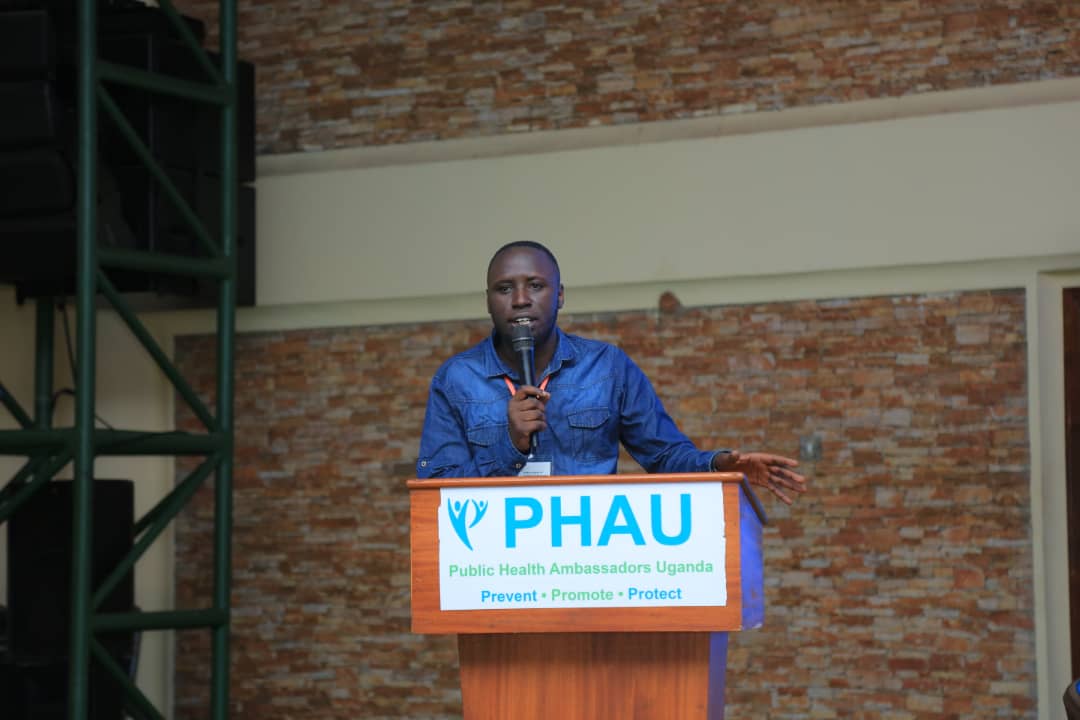
Sustaining Access to Voluntary Reproductive Health Care in East Africa
Youth and adolescents need special consideration. This article articulates the important role of decision makers and technical advisors in enhancing access to RH services by youth during COVID-19.