


Engaging Men as Partners in Family Planning
Studies have shown that men are highly influential in couples’ decisions about family planning (FP) and that their engagement in FP and other health services can be beneficial to their partners, their children, and themselves. However, in many countries, deeply embedded ideas about appropriate gender roles, as well as myths and misconceptions about FP, create barriers
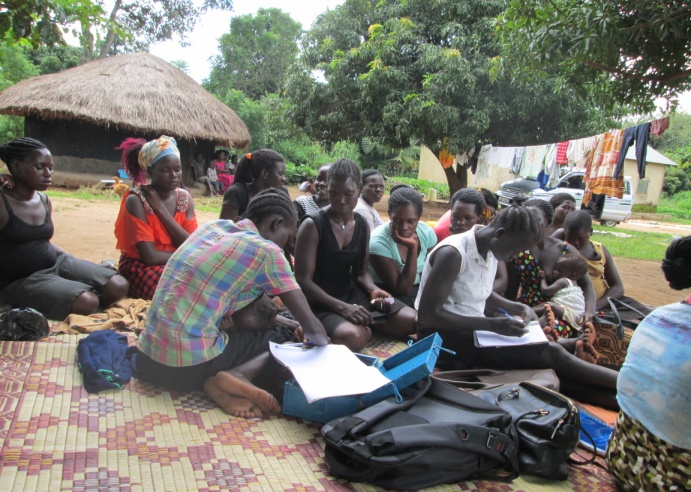
Mentoring Equips Girls and Young Women with the Knowledge, Skills, and Support to Overcome Challenges
Worldwide, girls and young women face a wide array of challenges to their health and well-being. Research on the impact of mentoring demonstrates the importance of positive role models and social support systems for improving health knowledge and outcomes. Our colleagues at FHI 360 share how they developed and implemented a multicomponent mentoring program Anyaka Makwiri

Are We Staying True to Our Commitments to Young People?
In October 2018, more than 100 organizations signed on to the Global Consensus on Meaningful Adolescent and Youth Engagement (MAYE). The question remains: what has been the impact of MAYE? We asked a few young leaders in the family planning movement to share their views.
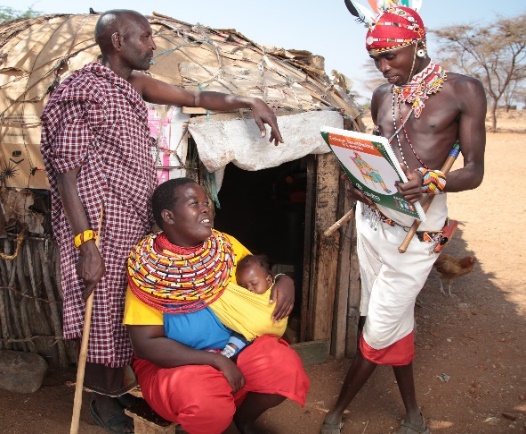
Integrating Family Planning and Reproductive Health Programs:
This piece summarizes the experience of integrating family planning and reproductive health (FP/RH) in the AFYA TIMIZA program, implemented by Amref Health Africa in Kenya. It provides insights to technical advisors and program managers that there is no one-size-fits-all approach in FP/RH service provision, access, and utilization: context is a critical factor in design and implementation.

How Should We Measure Contraceptive Use Among Unmarried Women
This article features key insights from one of the authors of a recent study, which examined standardizing measurement of contraceptive use among unmarried women. The study found that sexual recency (the last time women report being sexually active) is an important indicator to determine unmet need and contraceptive prevalence among unmarried women, but not among married

20 Essential Resources on Social Norms and Family Planning
Our inaugural 20 Essential Resources collection, curated with USAID's Passages Project, pulls together what you need to know to understand and measure social norms and social norms-shifting interventions and incorporate it into your work.

The Open Birth Interval Tells a Story
The open birth interval reveals a pattern that varies by a woman’s age, the number of living children she has, her residence, and her socioeconomic level. More importantly, the open interval could reveal a lot about her reproductive behavior, status, and contraceptive needs.

Monitoring COVID-19’s Effects on Family Planning: What Should We Measure?
On the supply side, we may be able to monitor availability of family counselors and contraceptives to meet needs during the COVID-19 pandemic. But what of the demand side? How can we monitor shifts in women’s family planning needs and preferences in light of the social and economic shocks they are facing due to the pandemic?