


Five Things Every Youth Advocate Should Know
Working in PHE (Population, Health, and Environment) gives me a unique perspective on the realities of community development. A lot of the factors that hinder the realization of optimum human health are closely linked to changes in the environment. As such, PHE projects bring about improved health outcomes, improved environment indicators, and more youth participation in

Intergenerational Dialogues on Family Planning and SRH Services
Though discussions around reproductive health services should be open to all, adolescent boys and girls experience often don’t get to take part in them, with their parents and guardians making most decisions about health on their behalf. Kenya’s health department is implementing various interventions focusing on young people. Through The Challenge Initiative’s (TCI) program, Mombasa County

FP/RH Champion Spotlight: Likhaan Center for Women’s Health Inc.
Likhaan is a non-government, nonprofit organization established in 1995 to respond to the sexual and reproductive health needs of women experiencing poverty. It runs community-based health programs anchored on three strategies: community education and mobilization; provision of primary, integrated sexual, and reproductive health (SRH) care; and advocacy for rights-based and equitable health policies.
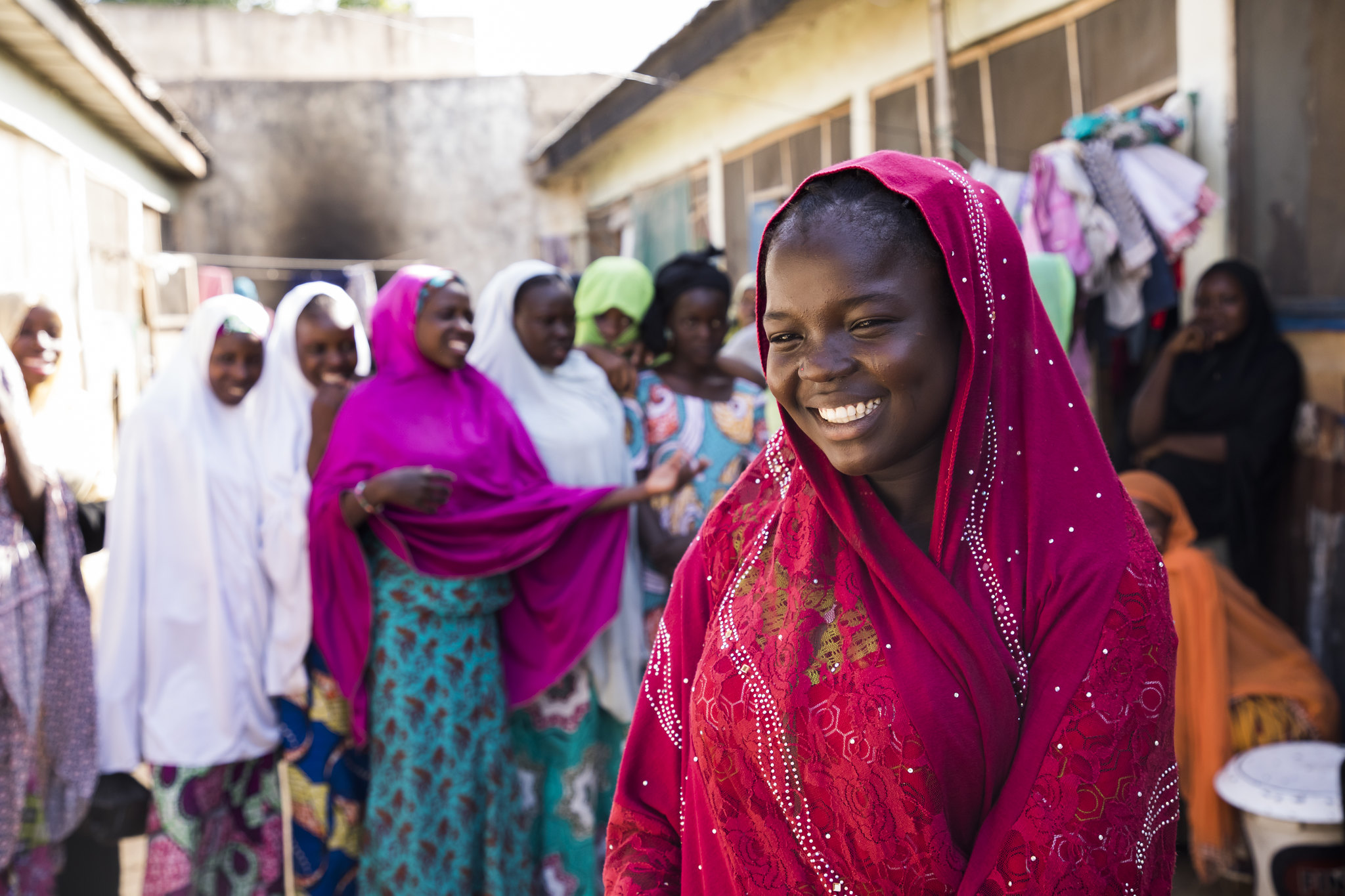
Social and Behavior Change for Family Planning Collection—Now Live!
Breakthrough ACTION + RESEARCH has launched a new resource collection and accompanying catalog. They showcase more than one hundred social and behavior change (SBC) for family planning (FP) resources for planners, designers, implementers, donors, and other users to inform innovative, evidence-based, and impactful interventions.

Recap: Responding to the SRHR Needs of Indigenous Women and Girls
Earlier this year, Communities, Alliances & Networks (CAAN) and The World Health Organization’s (WHO) IBP Network partnered on a series of seven webinars on advancing the SRHR of Indigenous women living with HIV. Each webinar featured rich discussions, highlighting national plans and the status of Indigenous women living with HIV and other sexually transmitted infections in each country.
FP/RH Champion Spotlight: South-East Asia Youth Health Action Network (SYAN)
The South-East Asia Youth Health Action Network, or SYAN, is a WHO-SEARO-supported network that creates and strengthens the capacity of adolescent and youth groups in southeast Asian countries for effective advocacy and engagement in national adolescent health programs as well as regional and global policy dialogue platforms.

Expanding Access to Integrated Health Services for Underserved Populations
Parkers Mobile Clinic (PMC360) is a Nigerian non-profit organization. It brings integrated health care services, including reproductive health services, to the doorsteps of people in rural and remote areas. In this interview, Dr. Charles Umeh, the founder of Parkers Mobile Clinic, highlights the organization’s focus—tackling health inequality and overpopulation to improve population, health, and environmental outcomes.
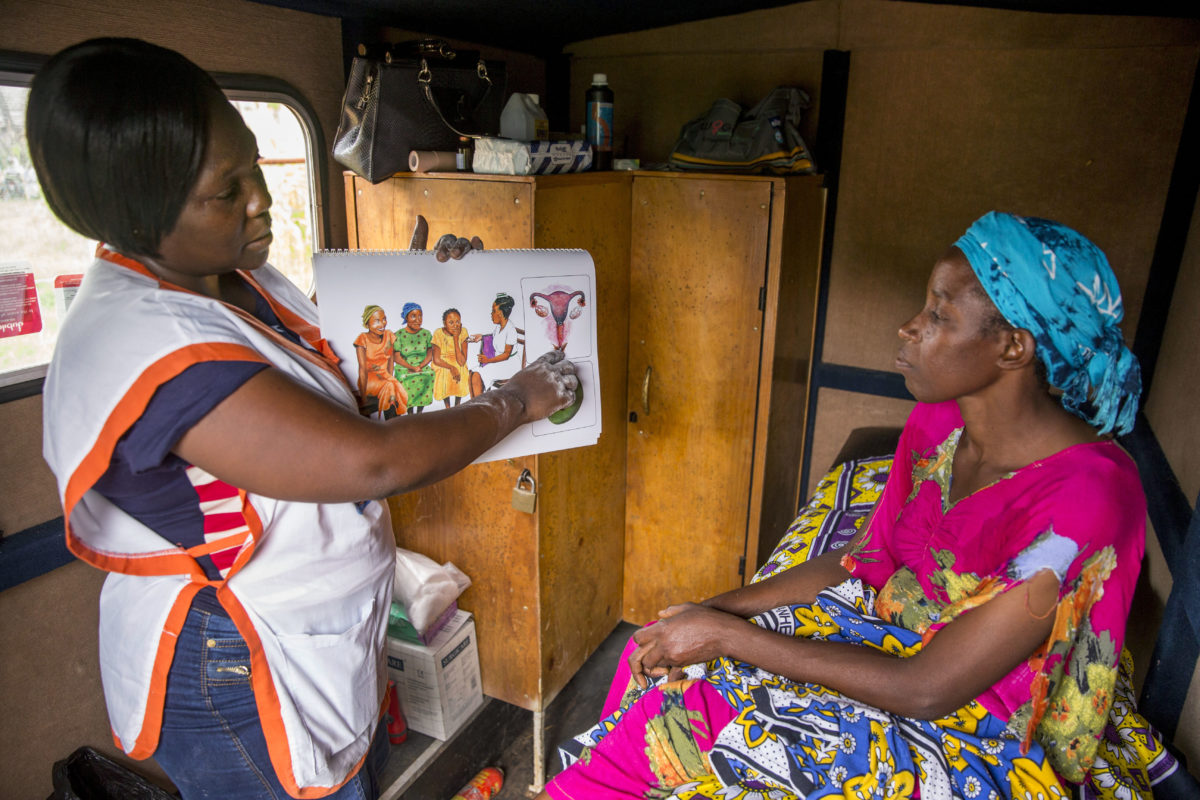
Cervical Cancer Prevention: A Life-Course Approach to SRH
Recently, Brittany Goetsch, a Program Officer on the Knowledge SUCCESS project, chatted with TogetHER for Health’s Executive Director, Dr. Heather White, and Population Services International’s (PSI’s) Global Medical Director, Dr. Eva Lathrop, on the integration of cervical cancer into broader SRH programming and what cervical cancer can teach us about a life course approach to SRH. In

Inside the FP Story Podcast: Send Us Your Questions!
The next few episodes of the Inside the FP Story podcast will feature questions from listeners. We want to hear from you!

Less is More: Tips for Communicating Family Planning Data Online
How do common web user behaviors affect how people find and absorb knowledge? What did Knowledge SUCCESS learn from developing an interactive website feature presenting complex family planning data? How can you apply these learnings in your own work? This post recaps a May 2022 webinar with three sections: Online Behaviors and Why They Matter; Case