


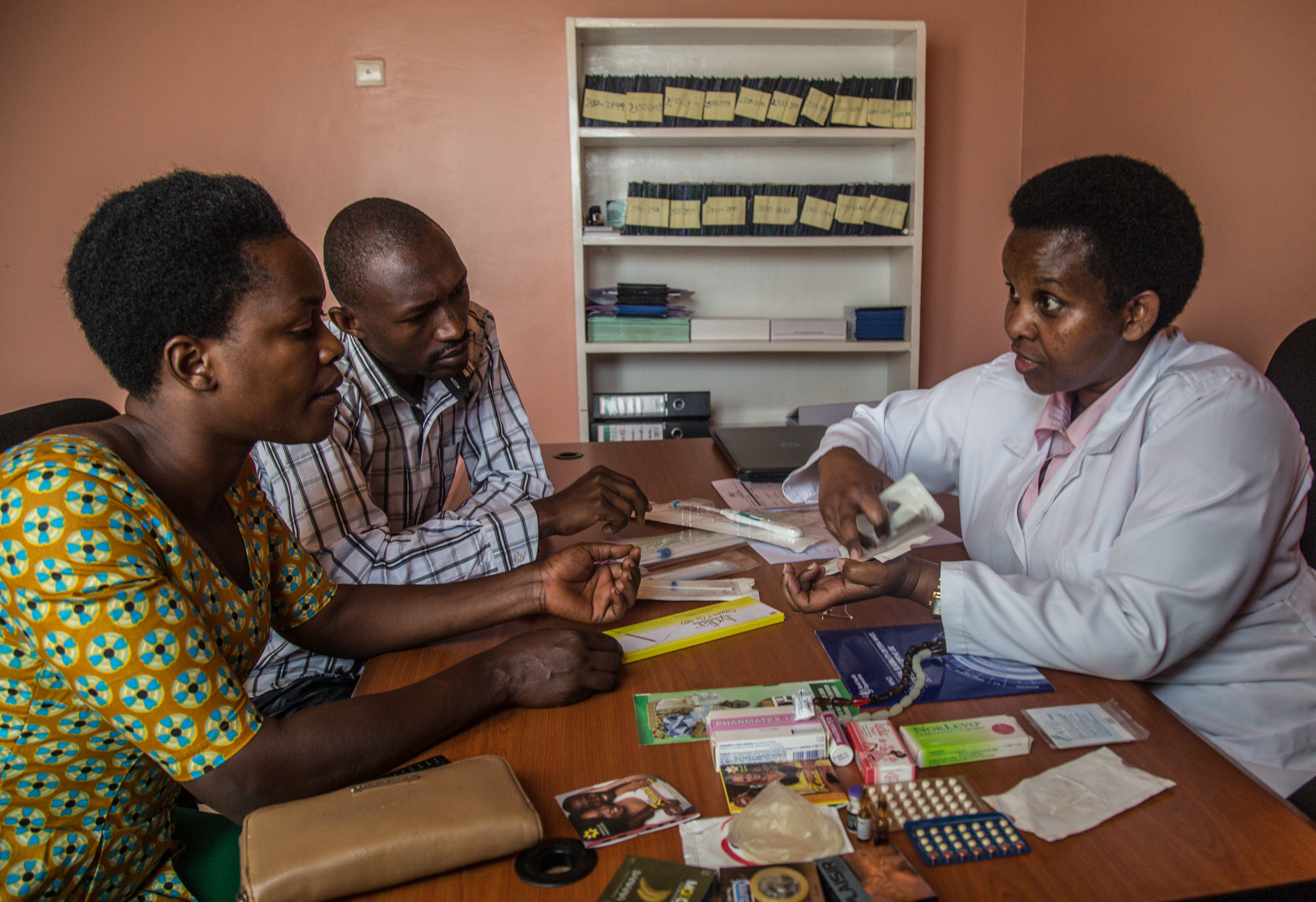
What Impact Do Gender and Power Have on FP Decision-Making?
Analyzing the impact of gender inequities on contraceptive decision-making experiences through the lens of a power framework can provide critical insights. These can give programs a better understanding of how to address barriers to women and girls’ access to and use of contraception.
A New Set of Composite Indicators for Integrated Service Delivery
The INSPiRE project is introducing integrated performance indicators into policy and practice in francophone West Africa.

Season Two of Inside the FP Story Launches
The Inside the FP Story podcast explores the details of family planning programming. Season 2 is brought to you by Knowledge SUCCESS and the World Health Organization (WHO)/IBP Network. It will explore implementation experiences from 15 countries and programs around the world. Over six episodes, you will hear from the authors of a series of implementation

Mental Health Wellness in GBV Prevention and Response
This blog provides an overview of the mental health effects of care work and GBV service provision on health providers, approaches to support self-care and improved health systems, and policy recommendations for the future.
Recap: Using Social and Behavior Change to Meet Youth FP/RH Needs
On September 29, 2021, Breakthrough ACTION hosted a discussion on meeting youth family planning and reproductive health (FP/RH) needs. Attendees had the opportunity to participate in three discussions that highlighted Breakthrough ACTION’s resources and knowledge on expanding youth access to FP/RH services and information.
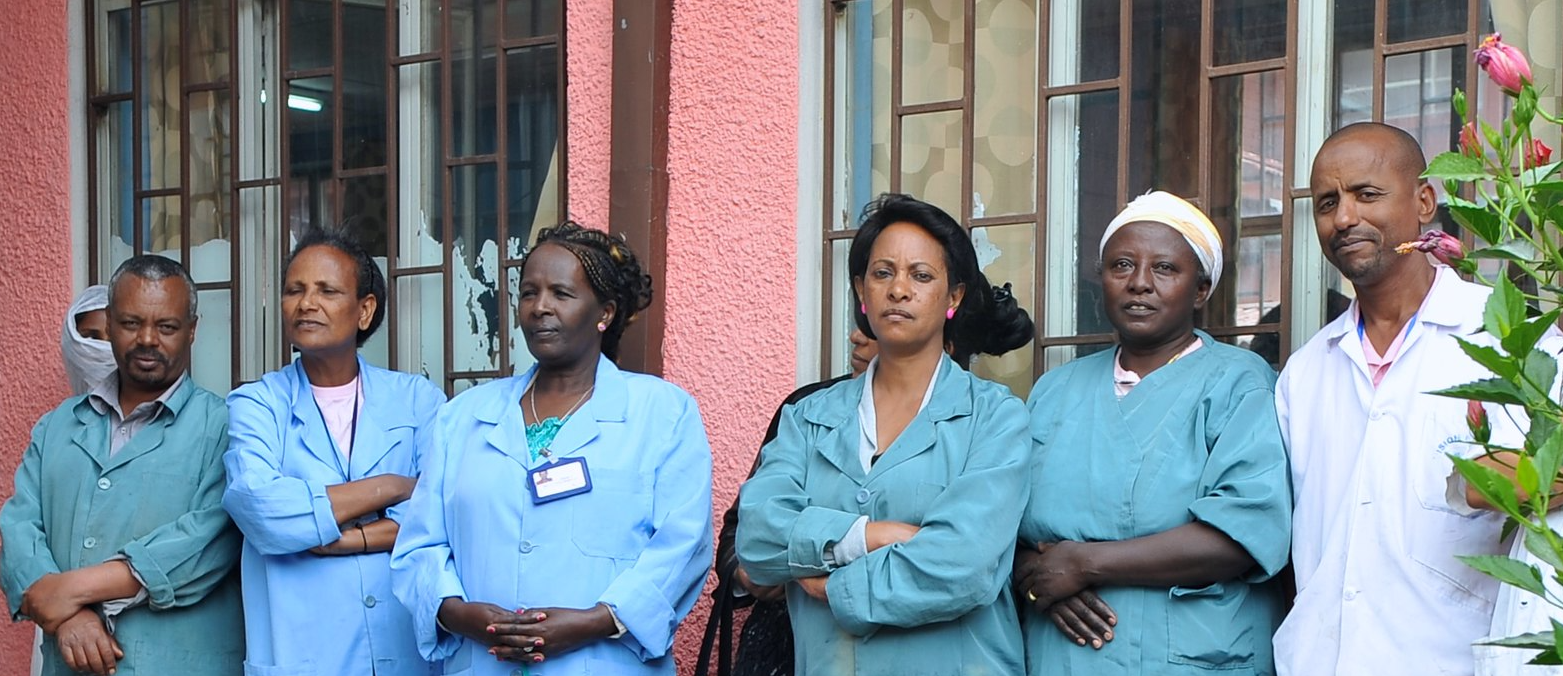
HIV and Contraceptive Service Integration for Female Sex Workers
Key populations, including female sex workers, face barriers to health care access that include stigma, criminalization, and gender-based violence. In many cases, these barriers can be mitigated by peer educators, who bring valuable insight and may engender trust with clients.

Ensuring Access to Menstrual Health Supplies
Earlier this year, the Reproductive Health Supplies Coalition (RHSC) and Mann Global Health published “Landscaping Supply Side Factors to Menstrual Health Access.” This post breaks down the key findings and recommendations in the report. It talks about ways that donors, governments, and others can ensure access to menstrual health supplies for all who need them.

Increasing the Impact of Reproductive Health Programs
This piece summarizes a recent study by the USAID-funded Passages Project exploring social norms impacting the reproductive health of adolescent girls and young women in Burundi. We explore how the research findings can be applied in the design of reproductive health programs to identify and involve key influence groups that influence social norms.

Increasing the Impact of Reproductive Health Programs
This piece summarizes a recent study by the USAID-funded Passages Project exploring social norms impacting the reproductive health of adolescent girls and young women in Burundi. We explore how the research findings can be applied in the design of reproductive health programs to identify and involve key influence groups that influence social norms.

The Growing Impact of the Digital Gender Gap
The race to adapt to COVID-19 has resulted in a shift to virtual formats for health care training and service provision. This has amplified reliance on digital technologies. What does this mean for women seeking services but lacking the knowledge of and access to these technologies?