


Improving Contraceptive Use in Young First-time Parents
With India’s adolescent and youth population on the rise, the country’s government has sought to address this group’s unique challenges. India’s Ministry of Health & Family Welfare created the Rashtriya Kishor Swasthya Karyakram (RKSK) program to respond to the critical need for adolescent reproductive and sexual health services. Focusing on young first-time parents, the program employed

20 Essential Resources: Self-Care for Family Planning
This collection includes a mix of resources categorized into several topics, including: conceptual framework, normative guidance, policy advocacy, etc. Each entry comes with a short summary and statement on why it is essential. We hope you find these resources informative.

Advice on Creating a Network of PHE Partners
Madagascar has remarkable biodiversity with 80% of its flora and fauna found nowhere else in the world. While its economy is highly reliant on natural resources, significant unmet health and economic needs drive unsustainable practices. In the face of growing uncertainty—Madagascar is extremely susceptible to climate change—we spoke to Madagascar PHE Network Coordinator Nantenaina Tahiry Andriamalala
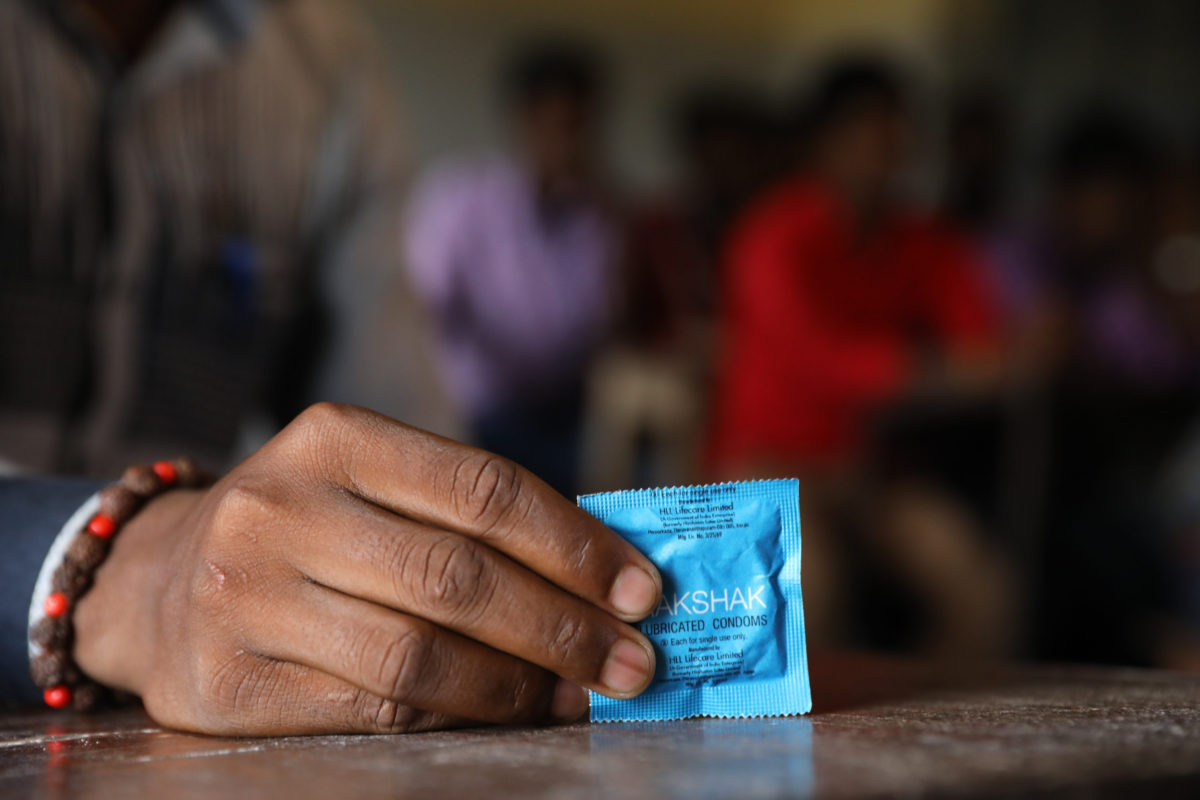
Condoms and Family Planning: 20 Essential Resources
Many people forget the power of condoms as a family planning tool. This collection reminds us how condoms remain relevant even as FP/RH innovations arise.
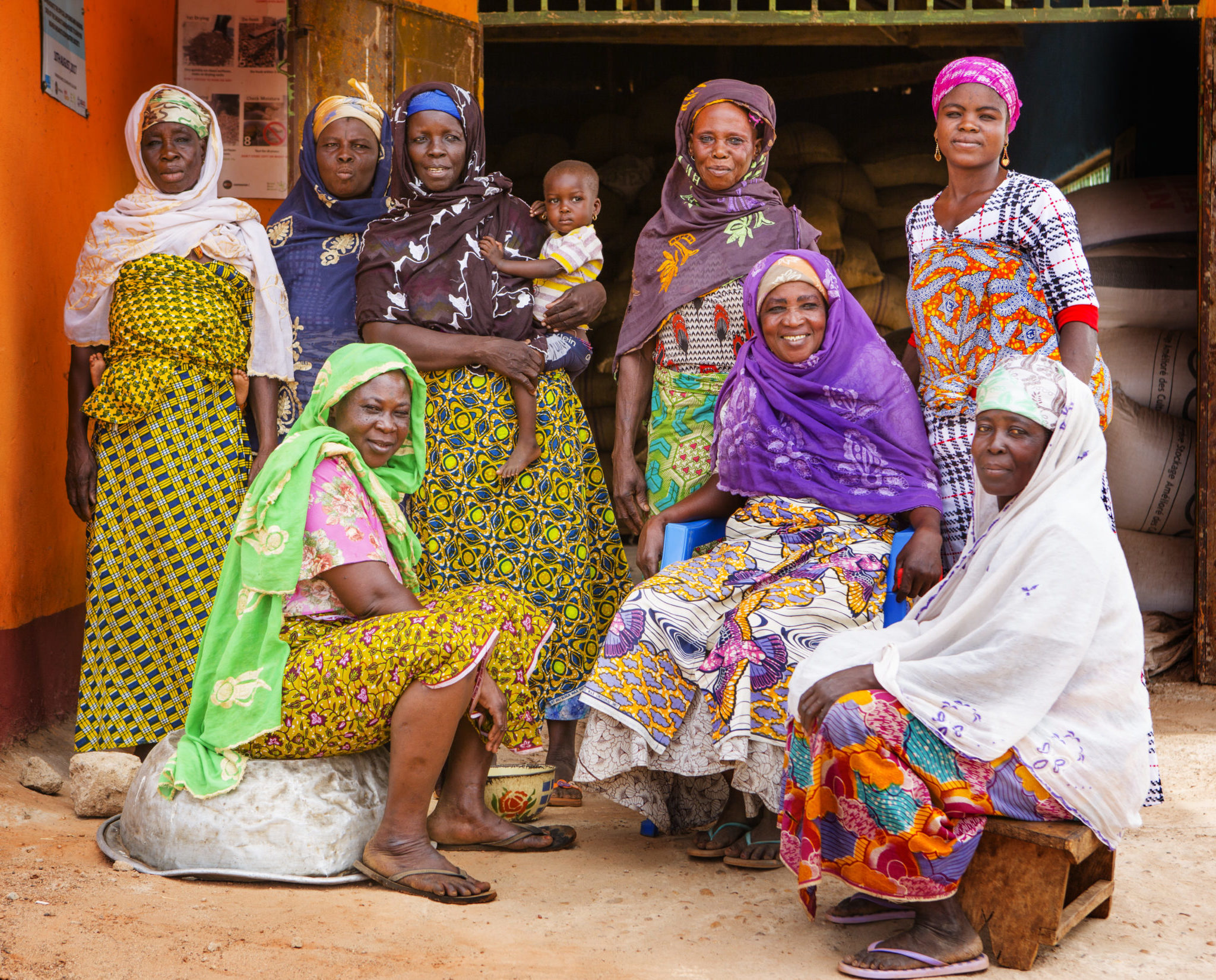
Fertility Awareness-Based Method Use in Ghana
A recent Global Health: Science and Practice (GHSP) article examined the use of fertility awareness-based methods (FABMs) in Ghana to gain knowledge on women who use them to avoid pregnancy. Few studies in low- and middle-income countries have estimated the use of FABM. Understanding who is using these methods contributes to family planning/reproductive health program professionals’

Aligning Measures of Social and Behavior Change for Family Planning
Breakthrough ACTION develops, tests, and scales up new and hybrid approaches to SBC, informed by Breakthrough RESEARCH’s cutting-edge research and evaluation of proven, cost-effective SBC strategies and programs. Together, these USAID-funded sister projects are harnessing SBC evidence and practice to increase priority health behaviors for improved health and development outcomes.
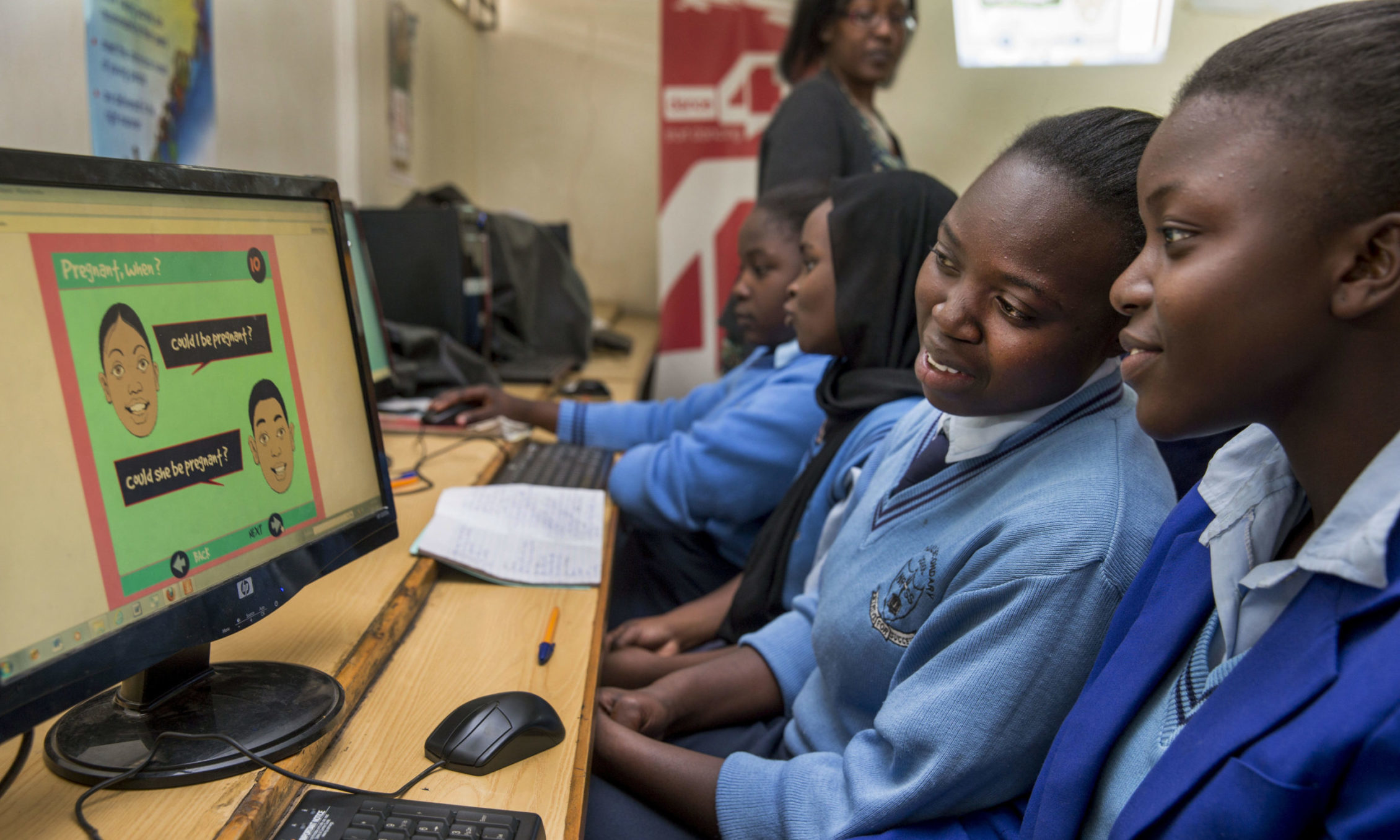
Remote Facilitation Among FP/RH Professionals
In spite of all the interest in individual know-how and learning, capturing and sharing tacit program knowledge remains a significant challenge and requires social interaction. This is exactly what Knowledge SUCCESS set out to change with the introduction of the Learning Circles regional cohort series. Informal, cross-organizational knowledge and information sharing that aligns with regional context
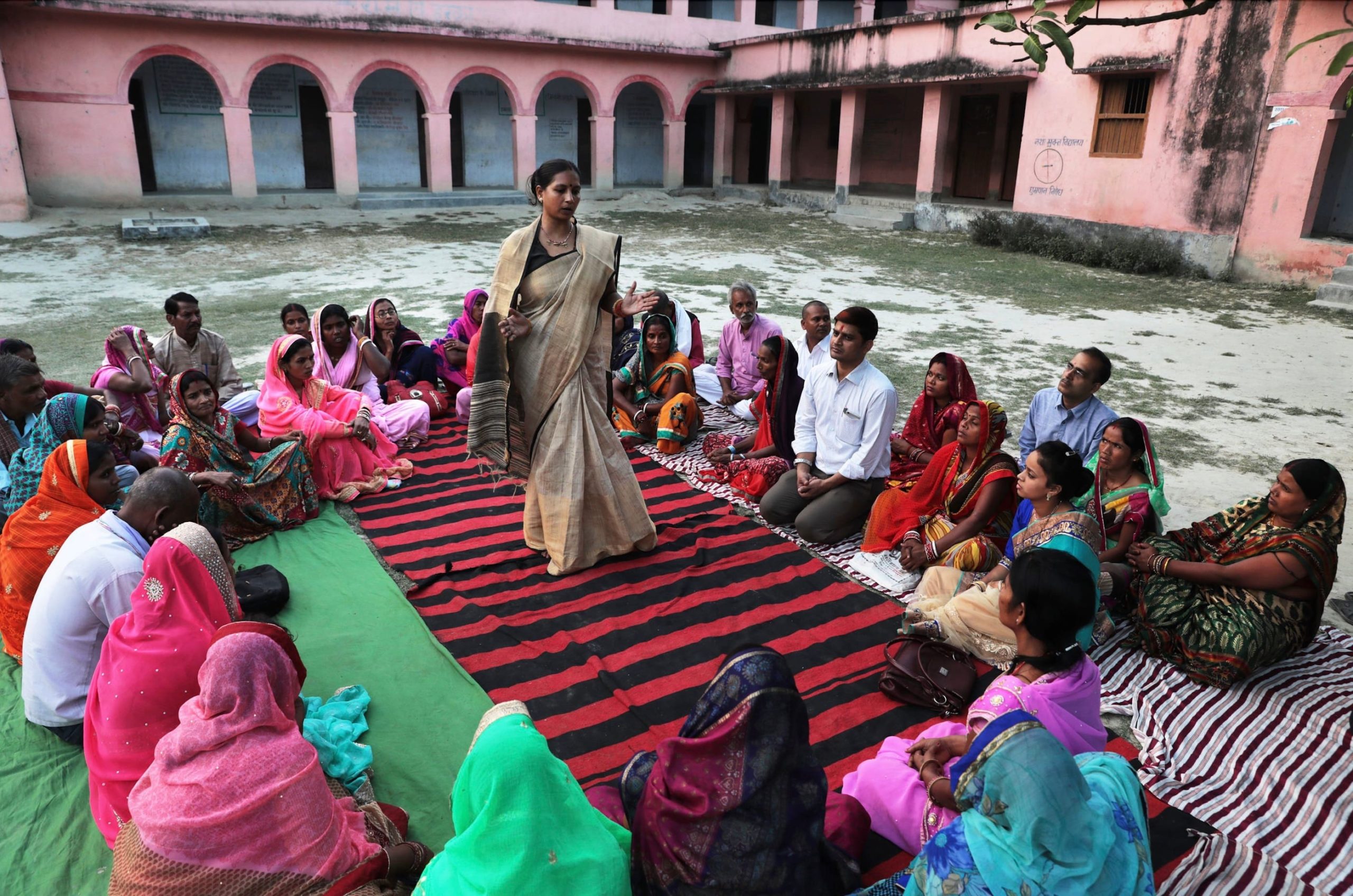
Introducing 20 Essential Resources on Family Planning Policy Environments
PRB’s Empowering Evidence-Driven Advocacy project and Policy, Advocacy, and Communication Enhanced for Population and Reproductive Health project are glad to partner with Knowledge SUCCESS to bring you this curated collection of resources highlighting different facets of family planning policy environments.
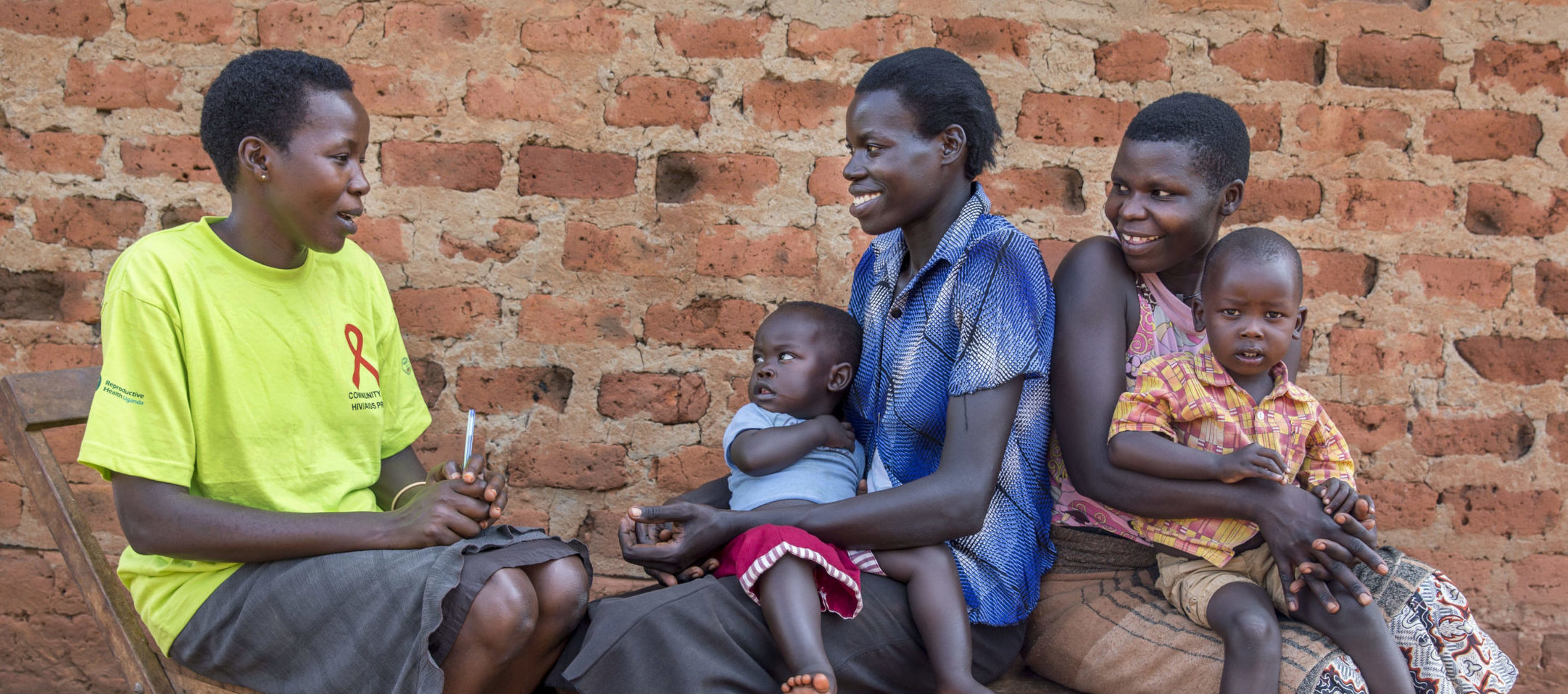
Advancing Self-Care in Uganda
Health care systems across the globe have always been based on a provider-to-client model. However, the introduction of new technology and products, and the increasing ease of access to information, has caused a shift in how health services can be delivered—placing clients at the center of health care. Various health areas, including sexual and reproductive health

Three Thoughts for World Contraception Day
September 26 is World Contraception Day, an annual global campaign that aims to raise awareness about contraception and safe sex. This year, the Knowledge SUCCESS team took a more personal approach to honor the day. We asked our staff, What’s the one thing that FP/RH program managers, tech advisors, and/or decision-makers should be thinking about on