


Meaningfully Engaging Youth: A Snapshot of the Asia Experience
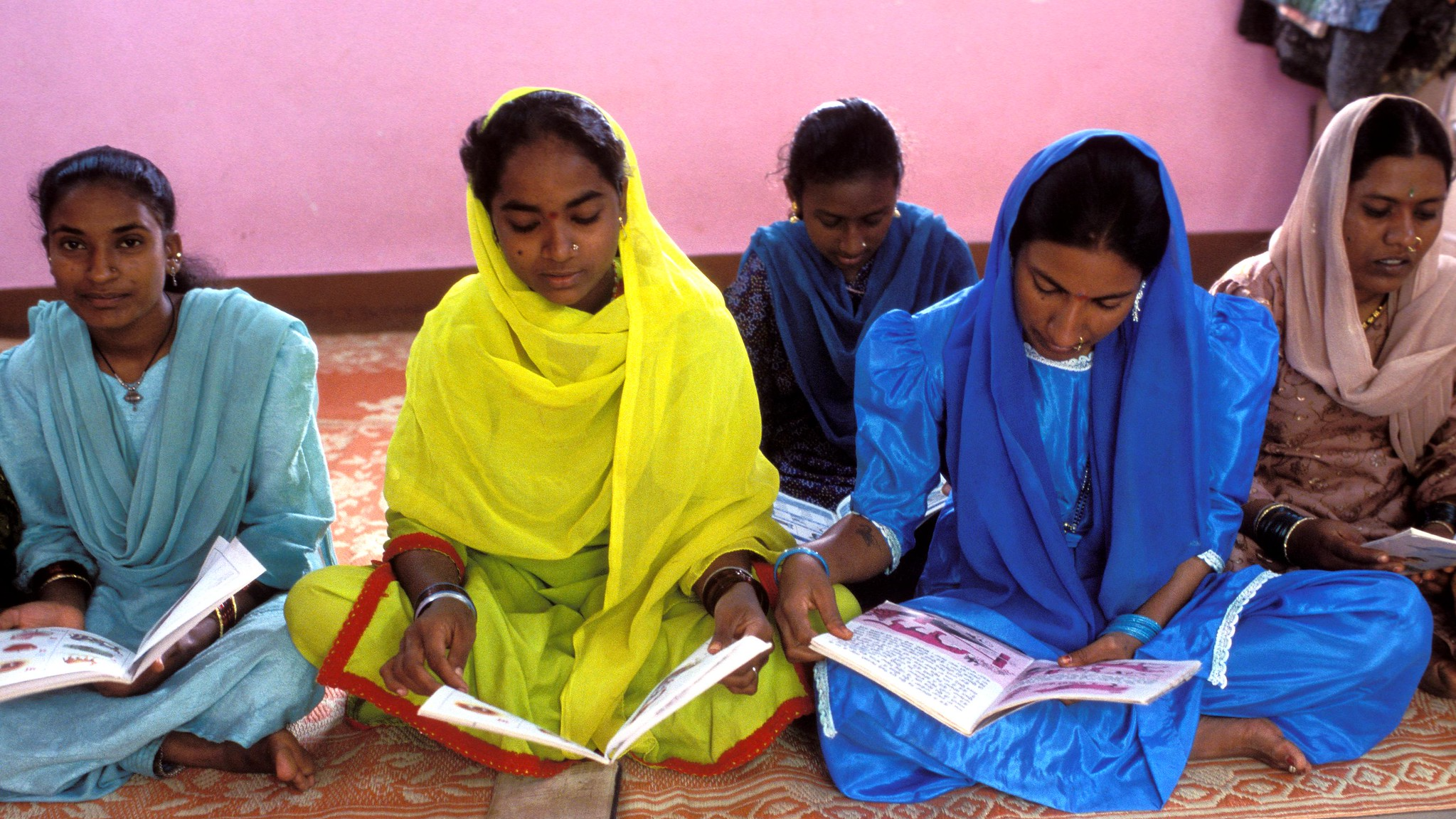
On March 22, 2022, Knowledge SUCCESS hosted Meaningfully Engaging Youth: A Snapshot of the Asia Experience. The webinar highlighted experiences from four organizations in the Asia region working to co-create youth-friendly programs, ensure quality FP/RH services for youth, develop youth-friendly policies, and meet the FP/RH needs of youth at different levels of the health system. Did

Skilled Birth Attendants: The Last Mile Link
Safe Delivery Safe Mother aims to address high fertility and reduce maternal mortality in Pakistan. Recently, the group implemented a pilot project that trained over 160 government-deployed Skilled Birth Attendants (SBAs) in the Multan district of the Punjab province. The six-month pilot project concluded in February. The Safe Delivery Safe Mother team is in the process
Early Adoption of AI in Family Planning Programs
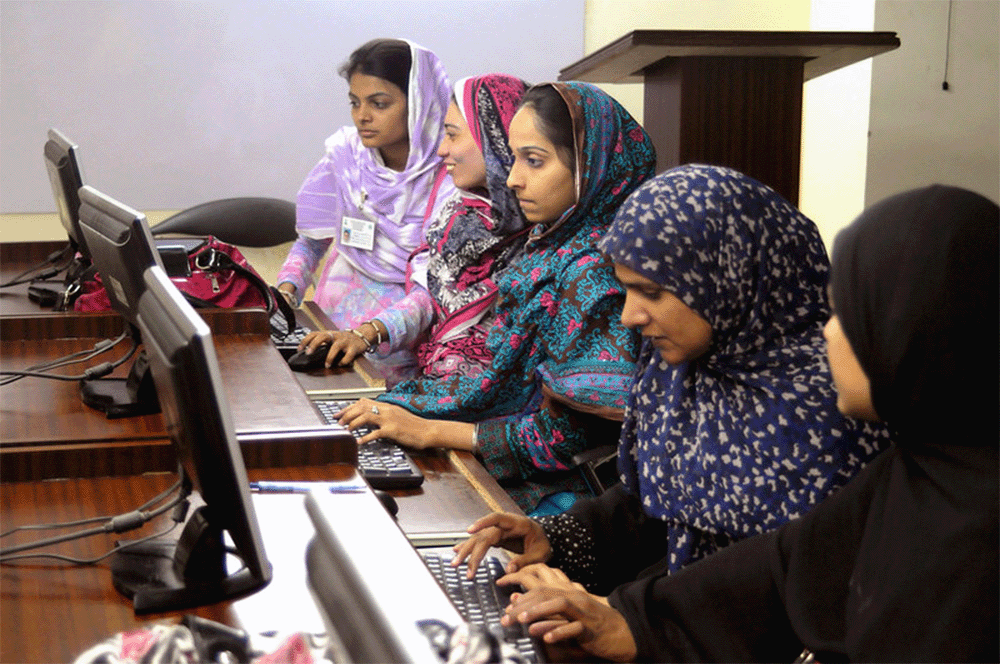
Increasing investments in emerging technologies across low- and-middle income countries have created unprecedented opportunities to leverage digital innovations to enhance voluntary family planning programs. In particular, the use of artificial intelligence (AI) to gain new insights into family planning and optimize decision-making can have a lasting impact on programs, services, and users. Current advances in AI
The Drug Shop Operators Handbook
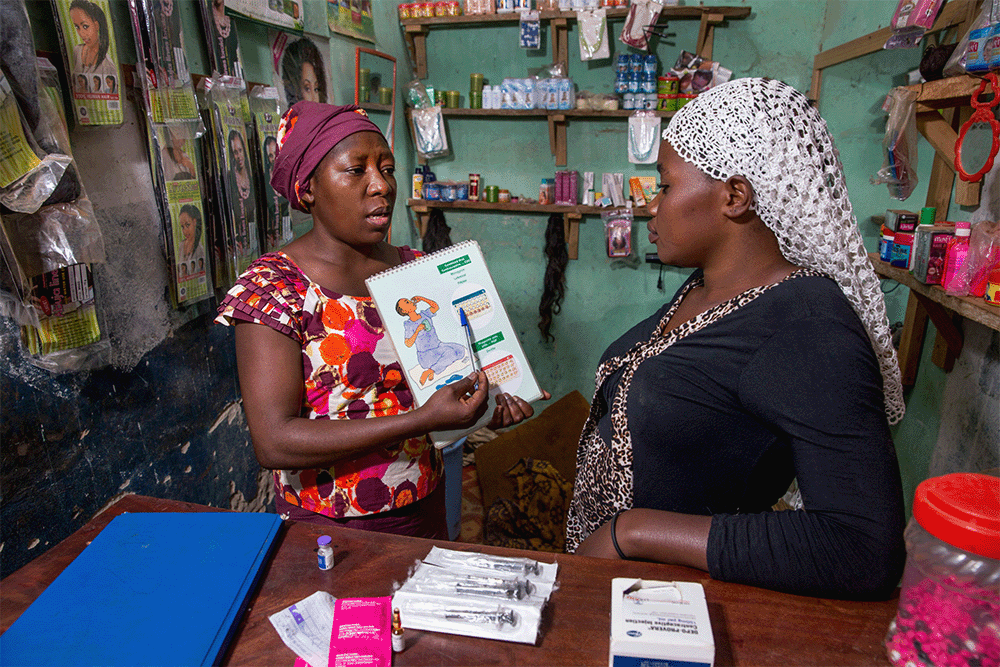
In July 2021, USAID’s Research for Scalable Solutions (R4S) project, led by FHI 360, released the Drug Shop Operators' Provision of Injectable Contraception manual. The handbook shows how drug shop operators can coordinate with the public health system to safely provide an expanded method mix that includes injectables, as well as training for clients on self-injection.

Introducing 20 Essential Resources: Quality Contraceptive Implant Removal
The Implant Removal Task Force is excited to partner with Knowledge SUCCESS to bring you this curated collection of resources for contraceptive implant removal, highlighting a critical, yet often-overlooked, component of contraceptive implant scale-up.

Creating a Framework for Defining Quality for HCD in ASRH Programming
Human-Centered Design (HCD) is a relatively new approach towards transforming Sexual and Reproductive Health (SRH) outcomes for youth and adolescents. But what does "quality" look like when applying Human-Centered Design (HCD) to Adolescent Sexual and Reproductive Health (ASRH) programming?
Improving Counseling Quality to Better Meet Women’s Contraceptive Needs
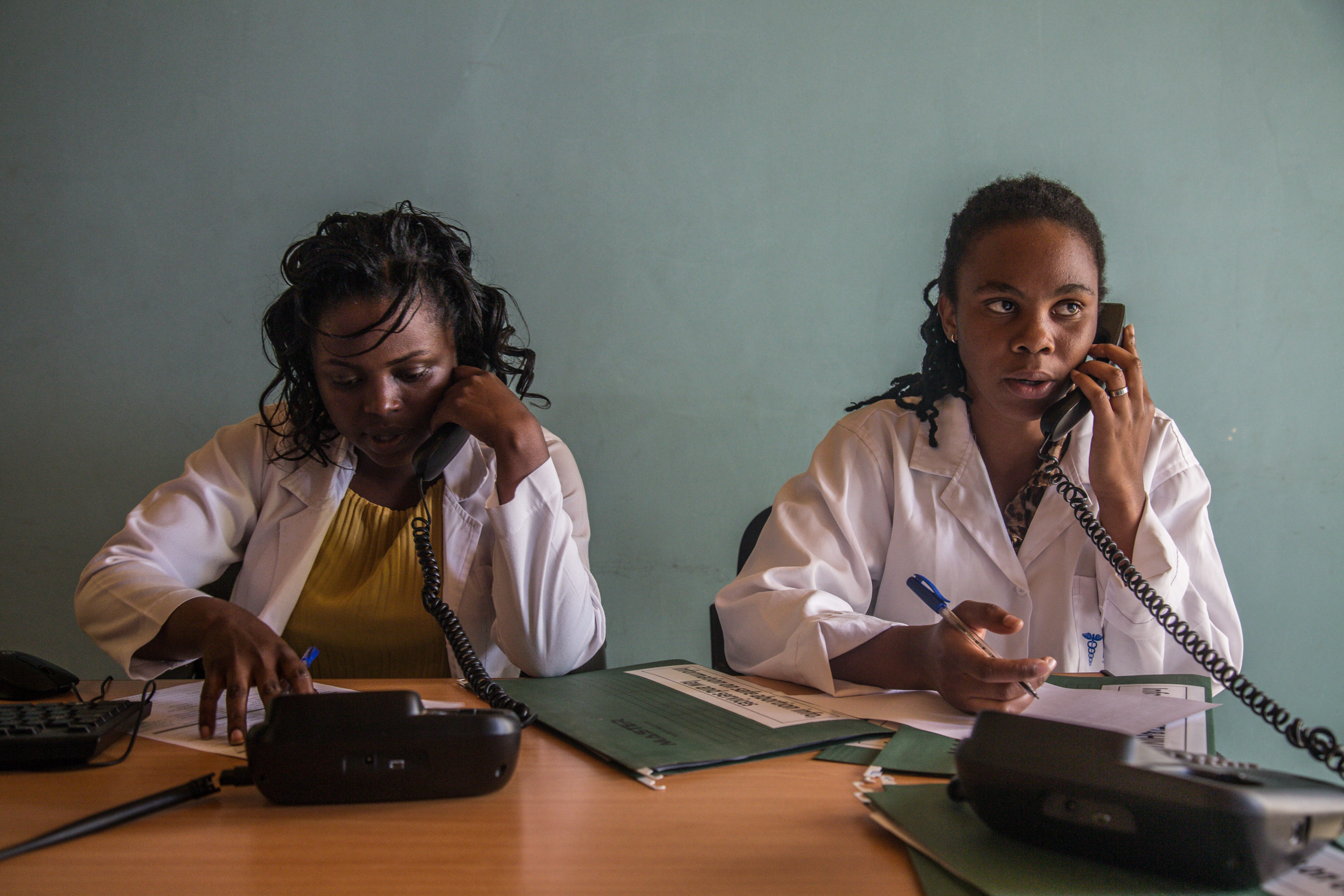
This article summarizes important findings from several Global Health: Science and Practice Journal articles that report on contraceptive method discontinuation and issues related to quality of care and counseling.
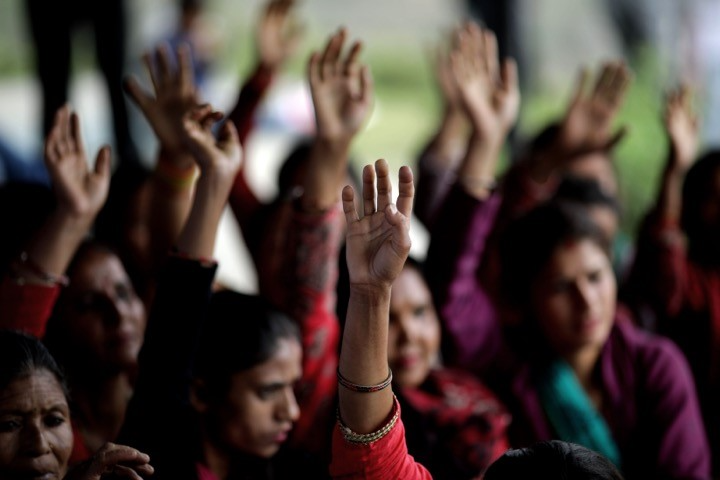
Family Planning Association Nepal Is Leaving No One Behind
Created in 1959, Family Planning Association Nepal (FPAN) is the country’s first national sexual and reproductive health service delivery and advocacy organization. Sixty-three years later, FPAN continues to ensure that family planning (FP) information and services are available and accessible to families—no matter their identity, ability, location, gender, or socioeconomic status.

Introducing Connecting the Dots Between COVID-19 and Family Planning
Connecting the Dots Between Evidence and Experience combines the latest evidence with implementation experiences to help technical advisors and program managers understand emerging trends in family planning and inform adaptations to their own programs. The inaugural edition focuses on the impact of COVID-19 on family planning in Africa and Asia.
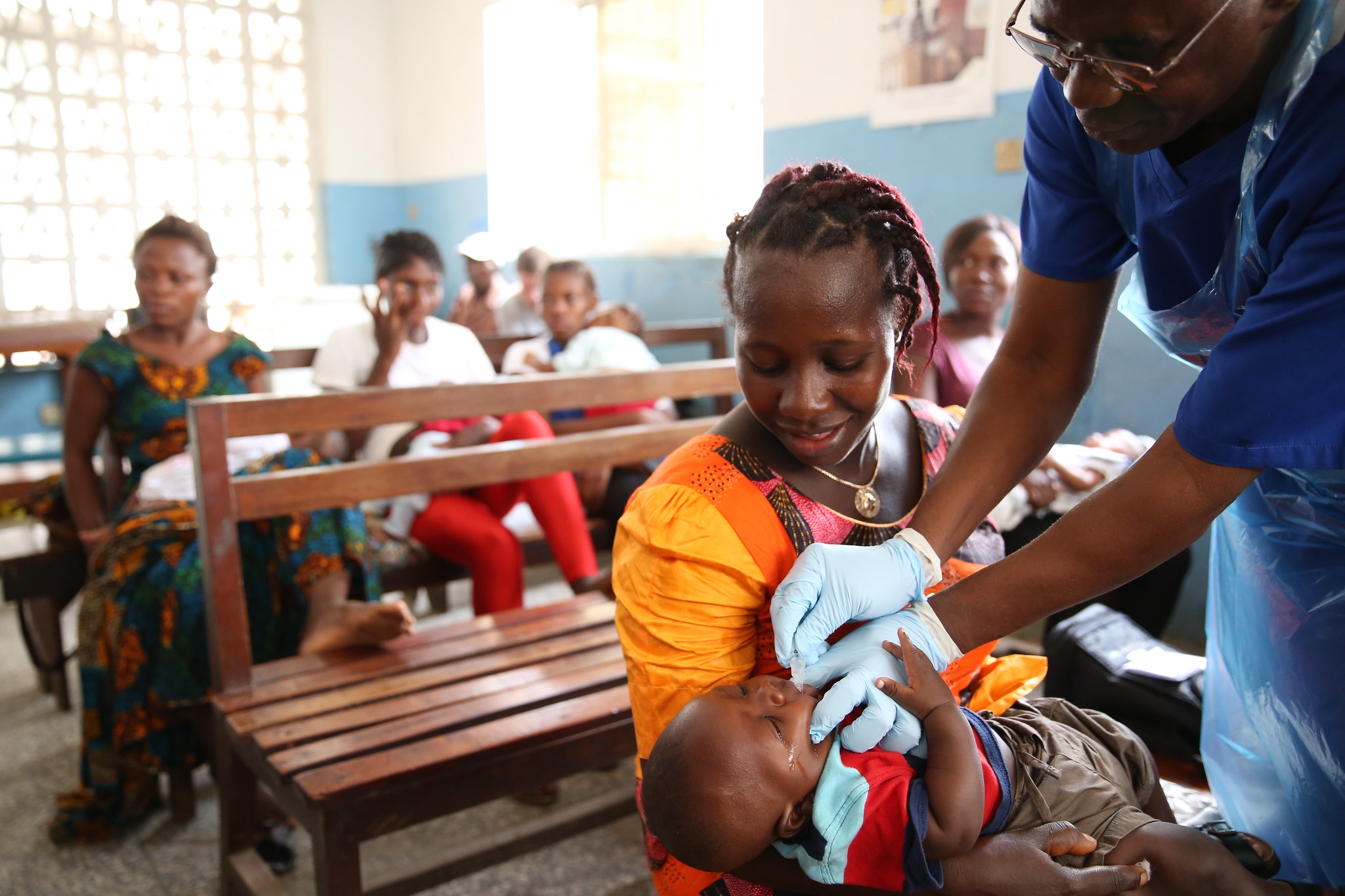
A New Set of Composite Indicators for Integrated Service Delivery
The INSPiRE project is introducing integrated performance indicators into policy and practice in francophone West Africa.