



Addressing Obstacles to Contraceptive Continuation Among Young People
Addressing obstacles to contraceptive continuation: The PACE project’s policy brief, Best Practices for Sustaining Youth Contraceptive Use, explores the unique patterns and drivers of contraceptive discontinuation among youth based on a new analysis of Demographic and Health Survey and Service Provision Assessment data. Key findings and recommendations include policy and program strategies to address obstacles to

Leaving No One Behind in Family Planning
Although there are more than 60 million additional users of modern contraception in the FP2020 focus countries as compared to 2012, our agenda remains unfinished, with quality family planning information and services not yet reaching many of those with the greatest need. To reach women, girls, and their partners equitably, we need to know who faces

Technical Consultation on Contraceptive-Induced Menstrual Changes
On November 17‒18, 2020, a virtual technical consultation on contraceptive-induced menstrual changes (CIMCs) convened experts in the fields of family planning and menstrual health. This meeting was coordinated by FHI 360 through the Research for Scalable Solutions (R4S) and Envision FP projects with support from the U.S. Agency for International Development (USAID).

Can Social Listening and Social Media Monitoring Benefit Your SBC Activities?
Social media has increasingly become one of the most popular places for individuals to express their views and engage in conversations about what they see, hear, and believe. There are currently 3.4 billion social media users, a figure projected to increase to 4.4 billion by 2025. This growing popularity means that social media can also be

Top 10 Voluntary Family Planning Articles of 2020
Before this remarkable year ends, we’re taking a look back at the most popular Global Health: Science and Practice Journal (GHSP) articles on voluntary family planning in the last year according to you—our readers—that garnered the most reads, citations, and attention.

Is Better Measurement the Key to Increased Investment in Social and Behavior Change for Voluntary Family Planning in Francophone West Africa?
Social and behavior change (SBC) approaches can increase the use of modern contraceptives by addressing the attitudes and social norms that influence demand. However, they often do not receive attention, partly because many practitioners are not effectively measuring their SBC efforts. Breakthrough ACTION interviewed voluntary family planning stakeholders in West Africa to learn why.
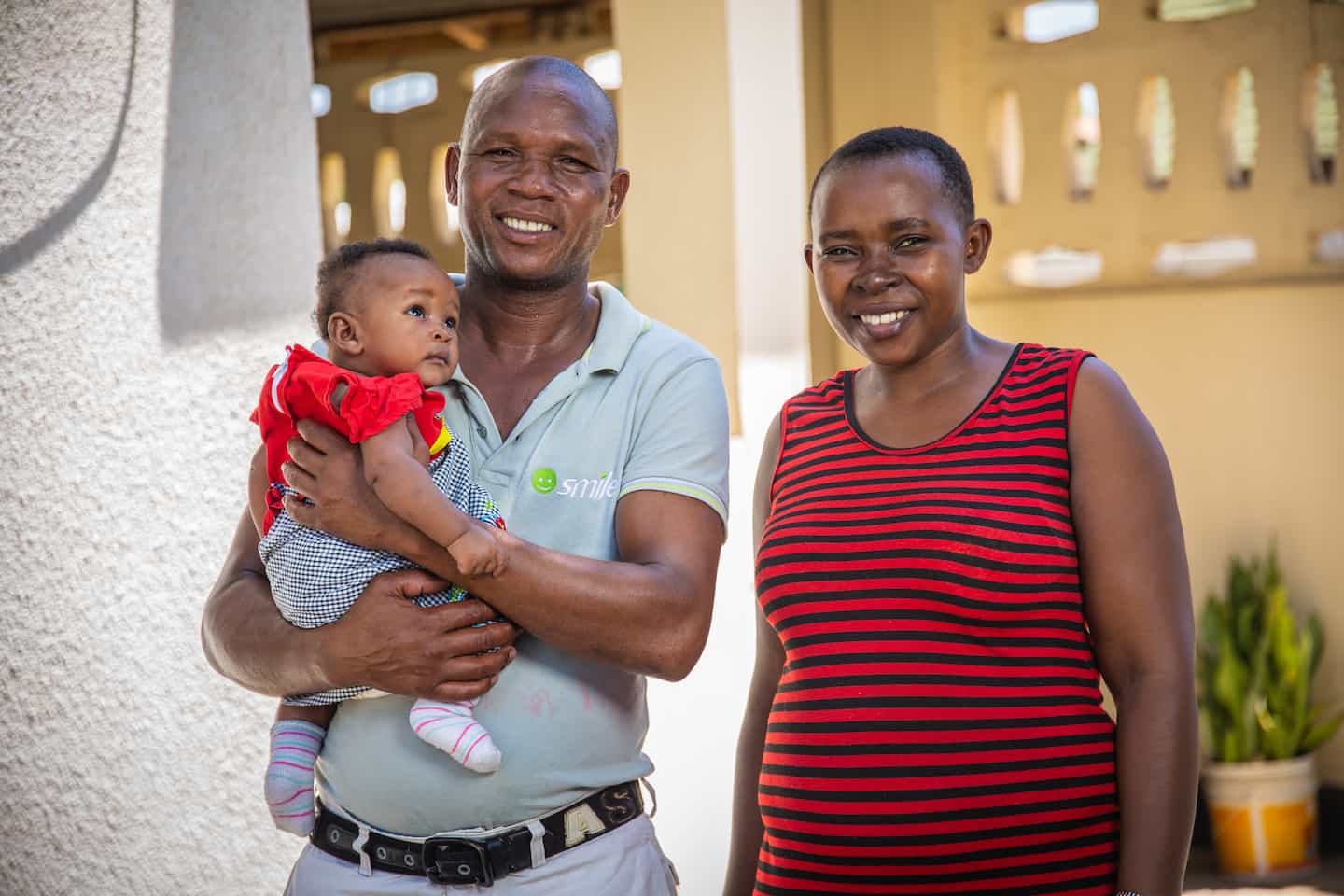
Visualizing Family Planning Market Scenarios
When public health officials make decisions, they are faced with competing demands on financial resources, conflicting interests, and the imperative to meet national health goals. Decision-makers need tools to help them establish a healthy market, particularly in resource-constrained settings. SHOPS Plus found this to be the case in a recent activity in Tanzania, where their ultimate

Monitoring COVID-19’s Effects on Family Planning: What Should We Measure?
On the supply side, we may be able to monitor availability of family counselors and contraceptives to meet needs during the COVID-19 pandemic. But what of the demand side? How can we monitor shifts in women’s family planning needs and preferences in light of the social and economic shocks they are facing due to the pandemic?