


Expériences de Mise En Œuvre de l’Auto-Injection du DMPA-SC Pendant COVID-19 dans quatre pays Francophones
Recapulatif du webinaire sur les approches à haut impact pour l’introduction et le passage à l’échelle de l'utilisation de la contraception auto-injectable.

The Epidemic Within an Epidemic
In October 2020, staff at the Johns Hopkins Center for Communication Programs (CCP) noticed a change in the search patterns bringing people to the Knowledge SUCCESS website. “What is the advocacy message of family planning” had moved up the charts, with a nearly 900% increase over the previous month. 99% of those queries originated in the

Responsive Systems Meet Adolescent Reproductive Health Needs
There is increasing consensus that adolescent-friendly health services—as currently implemented—are not consistently scalable nor sustainable. In an adolescent-responsive system, each building block of the health system—including public and private sectors and communities—respond to adolescent health needs.

Digital Health Pilot Project in Uganda Extends the Reach of Family Planning Care in the Community
Community health workers (CHWs) used digital health technology to advance access to family planning care at the community level. CHWs are a critical component of any strategy to bring health services closer to people. The piece calls on policy makers and technical advisors to sustain investments in the digitization of community health programs to reduce unmet

Introducing a Must-Have Family Planning Resource Guide to end 2020
Consider this Family Planning Resource Guide your holiday gift guide for voluntary family planning tools and resources.
The Link Between Self-Care and Universal Health Coverage
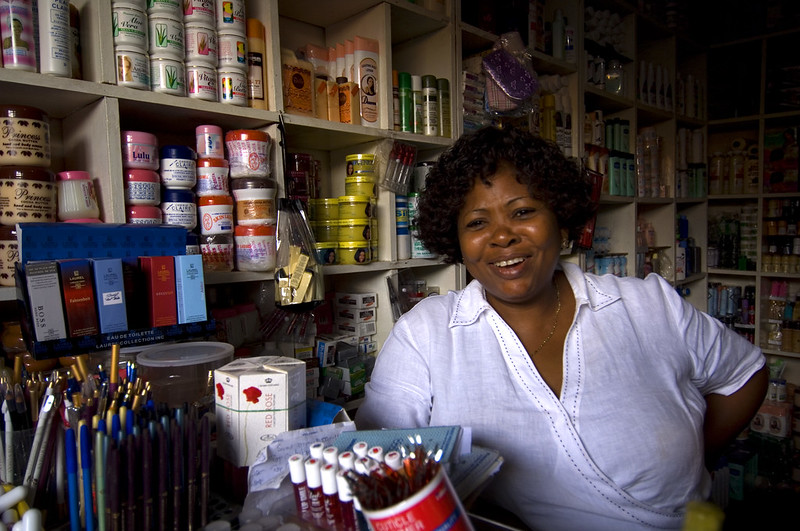
As governments and global bodies collectively work toward universal health coverage, self-care is an important — if not critical — element. Self-care equips people to act as informed agents of and protect their own health, prevent disease, and treat illness, both with and without the support of a healthcare provider.

Postabortion Care and Postpartum Family Planning During COVID-19
Preserving voluntary family planning as an essential service amid the COVID-19 pandemic has been the clarion call for global actors in the family planning and reproductive health field. How do we also ensure that women seeking postpartum or postabortion care don’t fall in the gaps?
Digital Health Compendium: Showcasing Digital Solutions for Family Planning and Reproductive Health
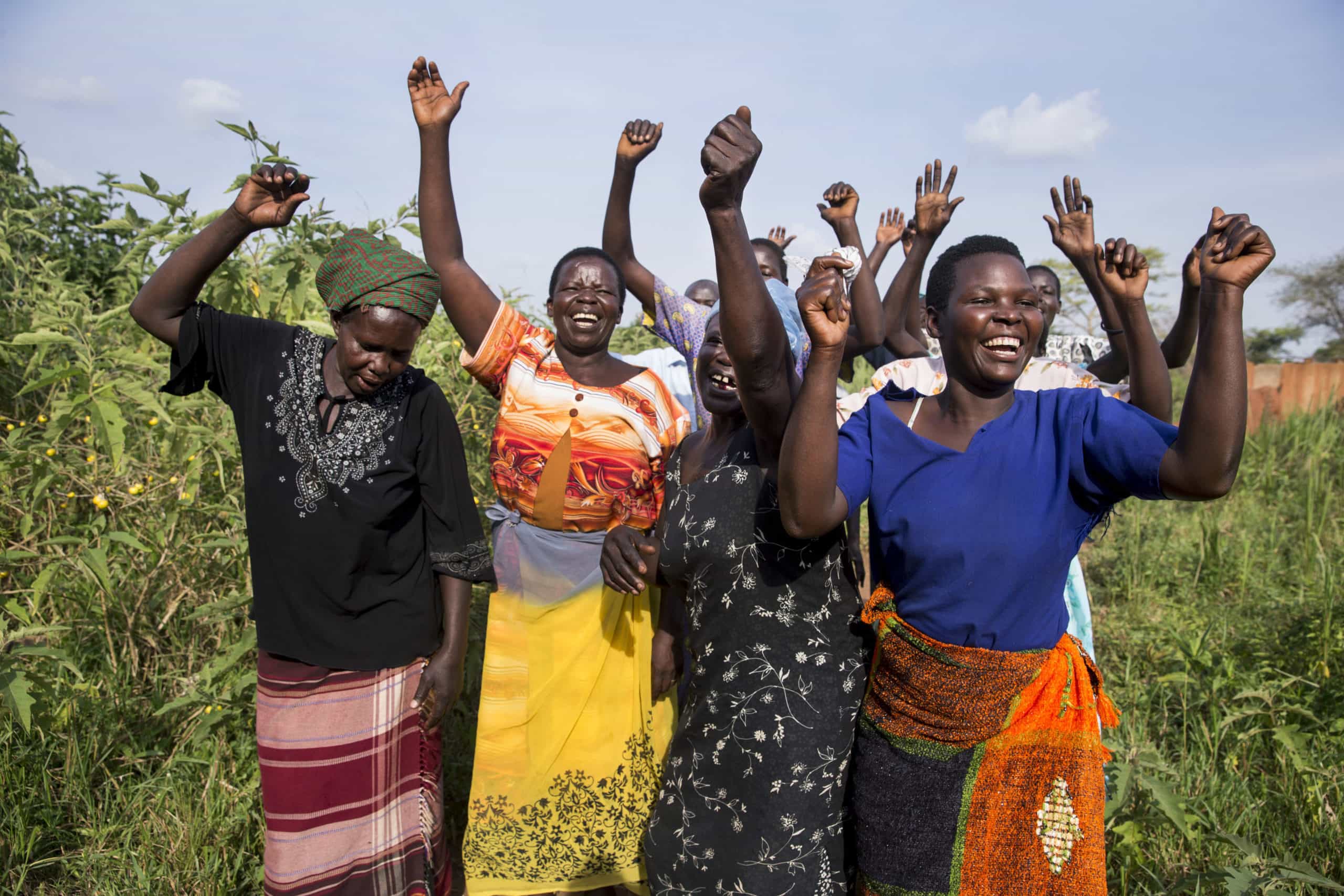
Although investments in digital health solutions for voluntary family planning have expanded exponentially, information on what works (and what does not) has always kept pace. The Digital Health Compendium curates the latest results from projects using digital technology to inform the adoption and scale-up of successful family planning approaches, as well as encouraging learning and adaptation

Program Briefs: Changing Attitudes to Shift Contraceptive Demand
When it comes to family planning and reproductive health (FP/RH) programming, encouraging behavior change starts by understanding what shapes consumer decisions. Because when we truly understand the core attitudes that influence – and at times, limit – how people perceive contraception, we can better design and deliver solutions that serve their needs.

Introducing a Curated Collection: COVID-19 and Voluntary Family Planning Resources
Too much information can be almost as bad as too little. That's why we've collected the best resources on voluntary family planning during COVID-19—all in one convenient place.