


Recap of Webinar on “Reimagining Method Choice in the Era of Self-Care”
On September 17, the Method Choice Community of Practice, led by the Evidence to Action (E2A) Project, hosted a webinar on the intersection of two important voluntary family planning areas—method choice and self-care. Missed this webinar? Read on for a recap, and follow the links below to watch the recording.

Senegal: A Leader in Access to FP/RH Care During COVID-19
COVID-19 is demonstrating the impact of epidemics on the continuity of care provision, particularly for FP/RH. This is why, in addition to the measures taken to fight COVID-19, we realized the importance of carrying out parallel actions that guarantee the availability and continuity of essential RMNCAH services.
Le Sénégal : Un leader pendant la COVID-19 pour l’accès aux soins de PF/SR
L’expérience de la COVID-19 a démontré l’impact des épidémies dans la continuité de l’offre de soins particulièrement celle de PF/SR. C’est pour cela, qu’en dehors de mesures prises pour lutter contre la COVID-19, on a compris qu’il est important de conduire parallèlement des actions qui garantissent la disponibilité et continuité des services essentiels SRMNIA.
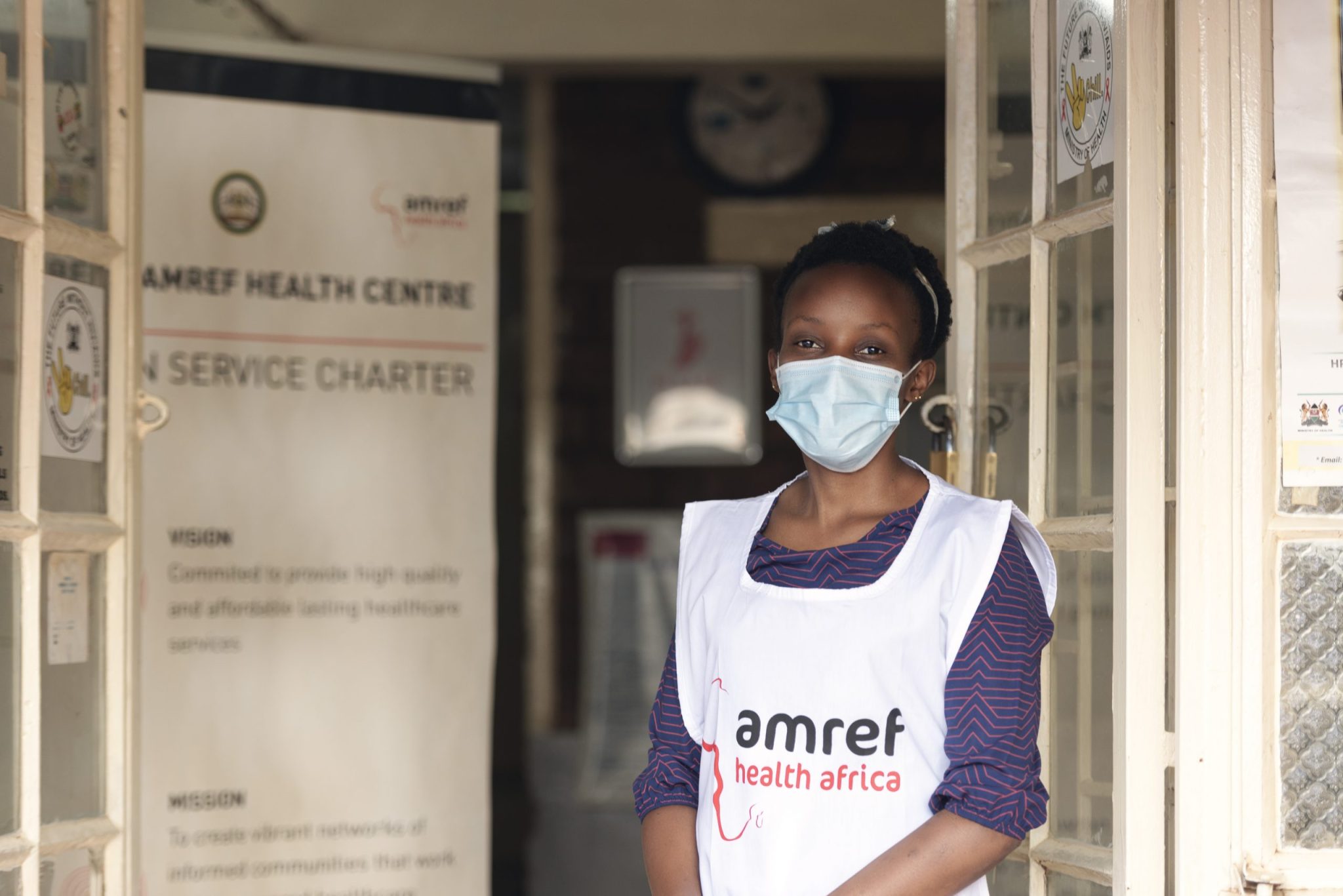
Integrating FP/RH into HIV Programming: Experiences from the Kibera Reach 90 Project
The integration of voluntary family planning and reproductive health care (FP/RH) with HIV service provision ensures FP information and services are made available to women and couples living with HIV without discrimination. Our partners at Amref Health Africa discuss the challenges of effectively addressing FP needs for vulnerable clients living in informal settlements and slum areas,
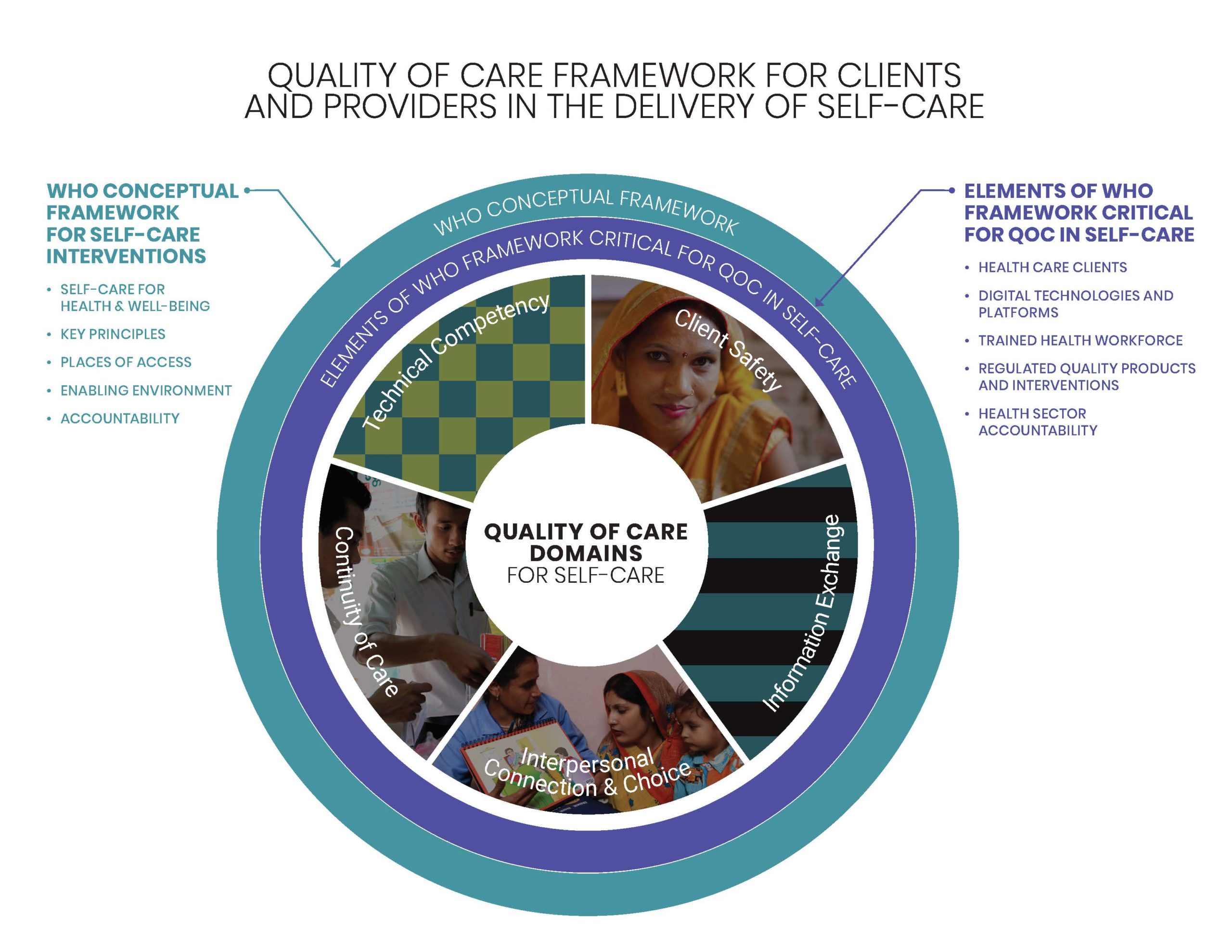
A New Quality of Care Framework to Measure and Respond to People’s Experience with Self-Care
To mark International Self-Care Day, Population Services International and partners under the Self-Care Trailblazers Working Group are sharing a new Quality of Care Framework for Self-Care to help health systems monitor and support clients accessing health care on their own—without hindering clients’ ability to do so. Adapted from the Bruce-Jain family planning quality of care framework,

Malawi’s Self-Care Success Story: Rapid Introduction of Self-Injectable Contraception
The chronicle of Malawi’s rapid, efficient introduction of self-injected subcutaneous DMPA (DMPA-SC) into the method mix is a model of teamwork and coordination. Although this process typically takes about 10 years, Malawi achieved it in fewer than three. Self-injected DMPA-SC epitomizes the ideal of self-care by empowering women to learn how to inject themselves, and has
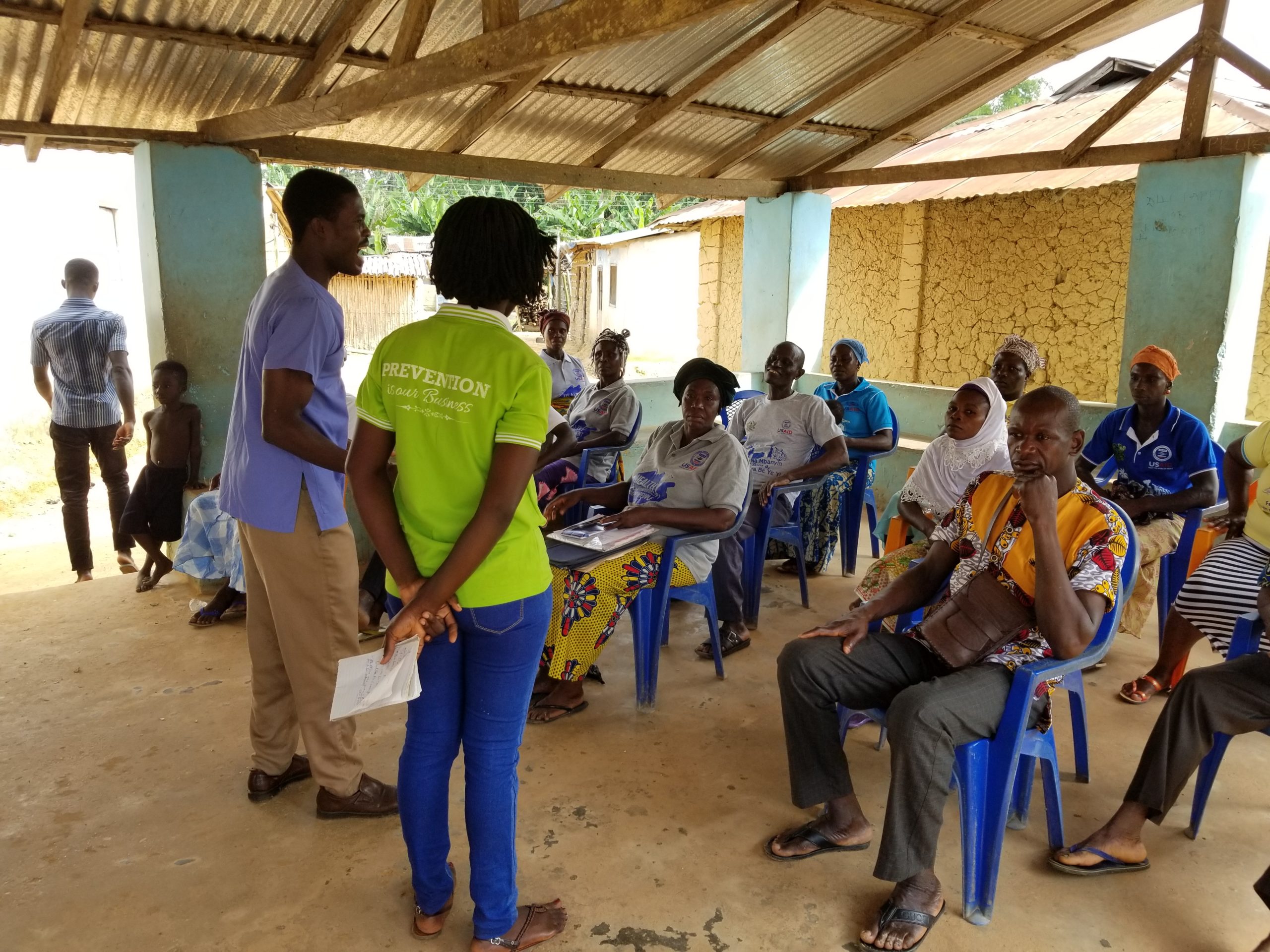
Hen Mpoano: Building a Healthy Environment and Healthy Families at the Last Mile
Ghanaian nonprofit Hen Mpoano implements and supports coastal and marine ecosystems governance projects and best practices. Tamar Abrams talks with Hen Mpoano's deputy director about a recent project that took a Population, Health, and Environment (PHE) approach, integrating the health of both the environment and those who live there.

Tunza Mama: Community Midwifery Increases FP/RH Access at Home in Kenya
Our colleagues at Amref share how the Tunza Mama network improves the socio-economic status of midwives while positively impacting the health indicators of mothers and children in Kenya.

Reimagining Delivery of Essential Health Care
With the prospect of delivering an effective COVID-19 vaccine ever changing, public health professionals have a responsibility to ensure uninterrupted access to essential health care to women and their families. We must take this opportunity to reinvigorate health systems strengthening efforts that prioritize decentralized, community-based and client-focused mechanisms for accessing health products, services and information.

A Practical Guide for Service Delivery During a Pandemic
Jhpiego's guide synthesizes global recommendations, current best evidence and critical resources and is organized to provide specific guidance by technical area (e.g., family planning/sexual and reproductive health, malaria, tuberculosis).