


Kenya Includes Contraceptive Injections in Its Pharmacist Training Package
Working alongside family planning advocates, Jhpiego Kenya applied the nine-step SMART advocacy approach to engage stakeholders in the creation of a new pharmacist training package. The updated curriculum includes that includes instruction on providing contraceptive injectables DMPA-IM and DMPA-SC.
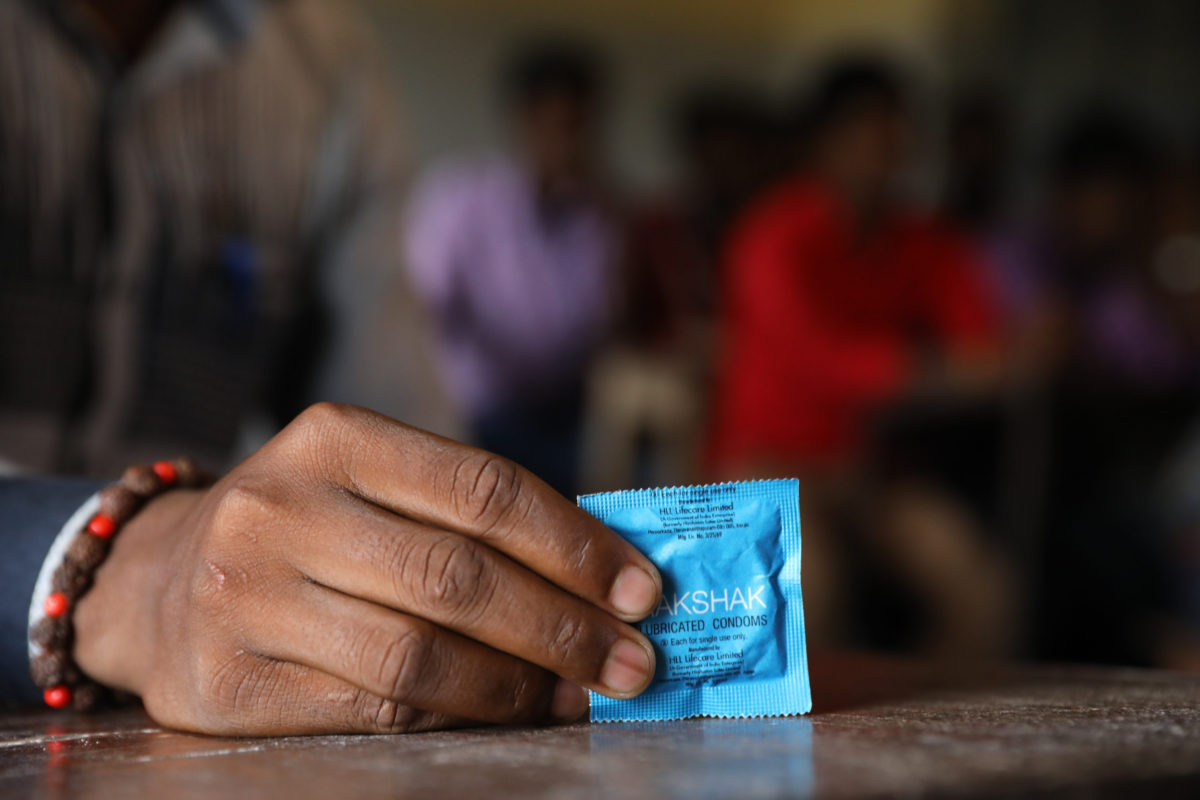
Condoms and Family Planning: 20 Essential Resources
Many people forget the power of condoms as a family planning tool. This collection reminds us how condoms remain relevant even as FP/RH innovations arise.
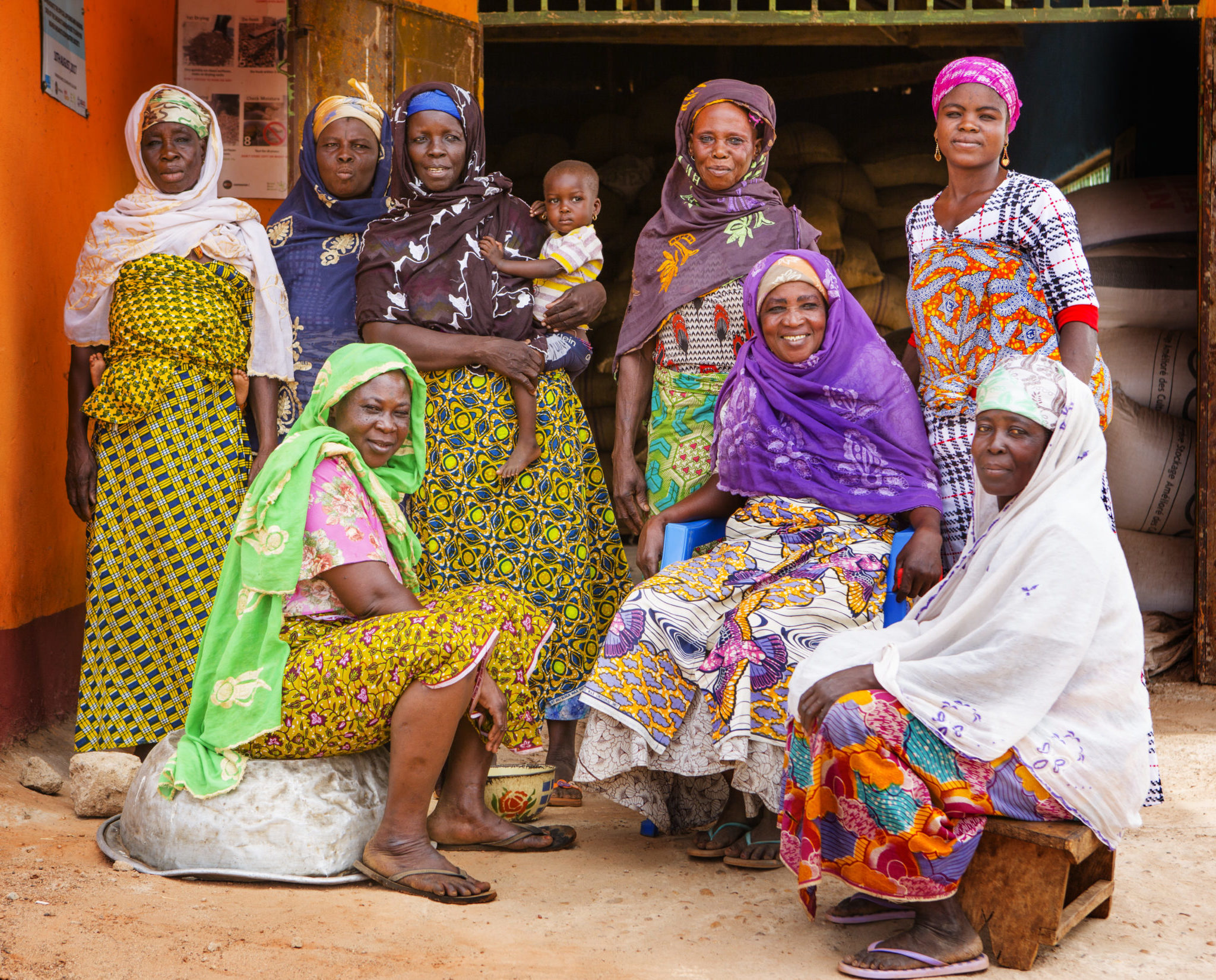
Fertility Awareness-Based Method Use in Ghana
A recent Global Health: Science and Practice (GHSP) article examined the use of fertility awareness-based methods (FABMs) in Ghana to gain knowledge on women who use them to avoid pregnancy. Few studies in low- and middle-income countries have estimated the use of FABM. Understanding who is using these methods contributes to family planning/reproductive health program professionals’
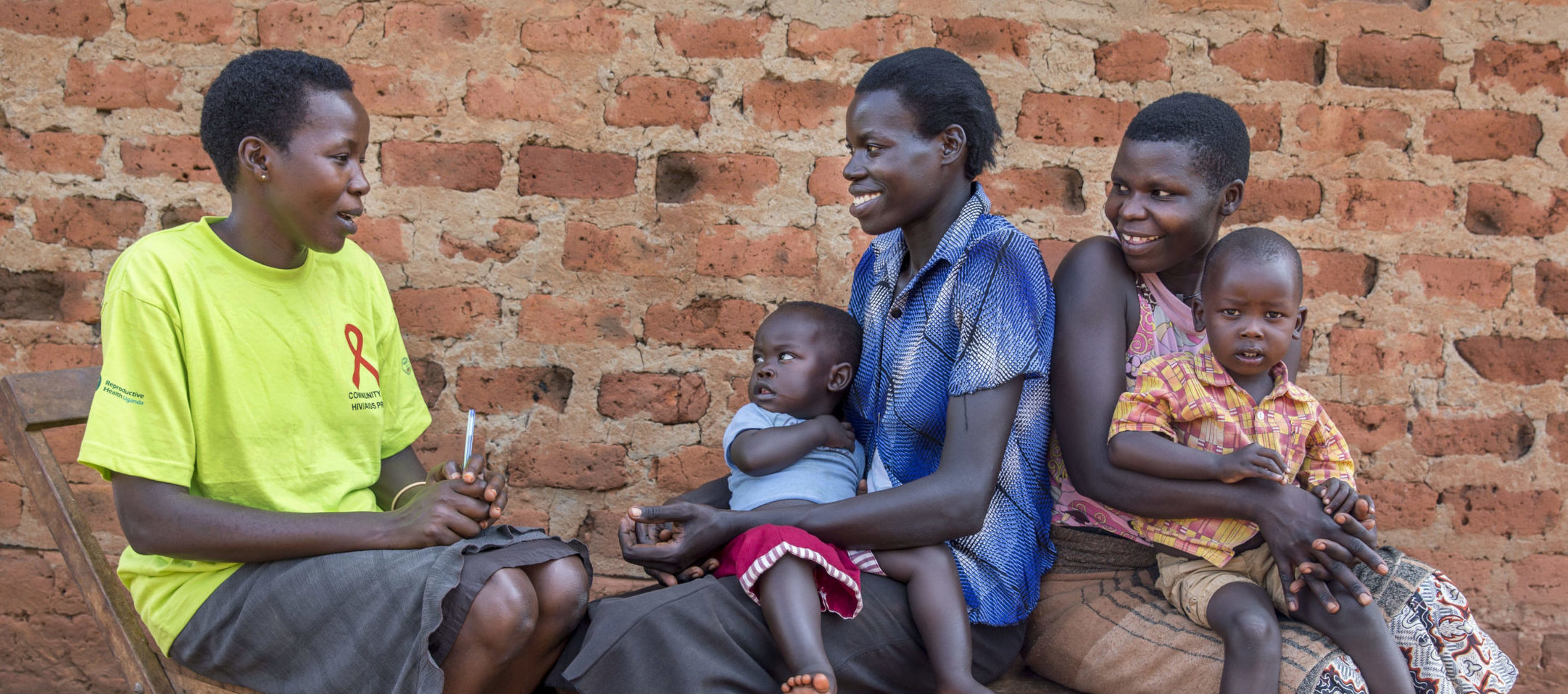
Advancing Self-Care in Uganda
Health care systems across the globe have always been based on a provider-to-client model. However, the introduction of new technology and products, and the increasing ease of access to information, has caused a shift in how health services can be delivered—placing clients at the center of health care. Various health areas, including sexual and reproductive health

Three Thoughts for World Contraception Day
September 26 is World Contraception Day, an annual global campaign that aims to raise awareness about contraception and safe sex. This year, the Knowledge SUCCESS team took a more personal approach to honor the day. We asked our staff, What’s the one thing that FP/RH program managers, tech advisors, and/or decision-makers should be thinking about on
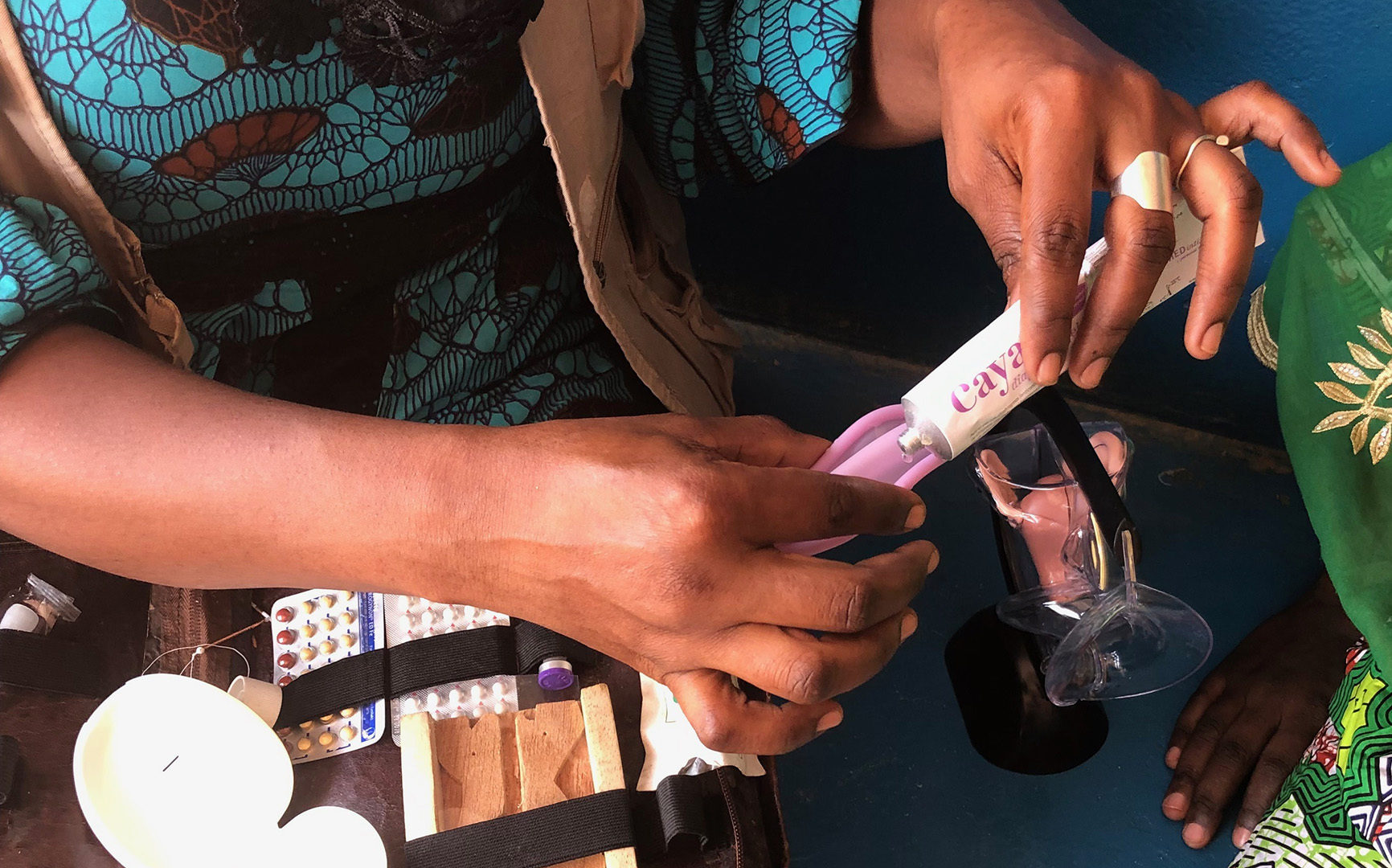
Introducing 20 Essential Resources: Contraceptive Product Introduction
The Expanding Effective Contraceptive Options (EECO) project is delighted to partner with Knowledge SUCCESS to bring you this curated collection of resources to guide the introduction of new contraceptive products.
Improving Access to Reproductive and Maternal Health Services
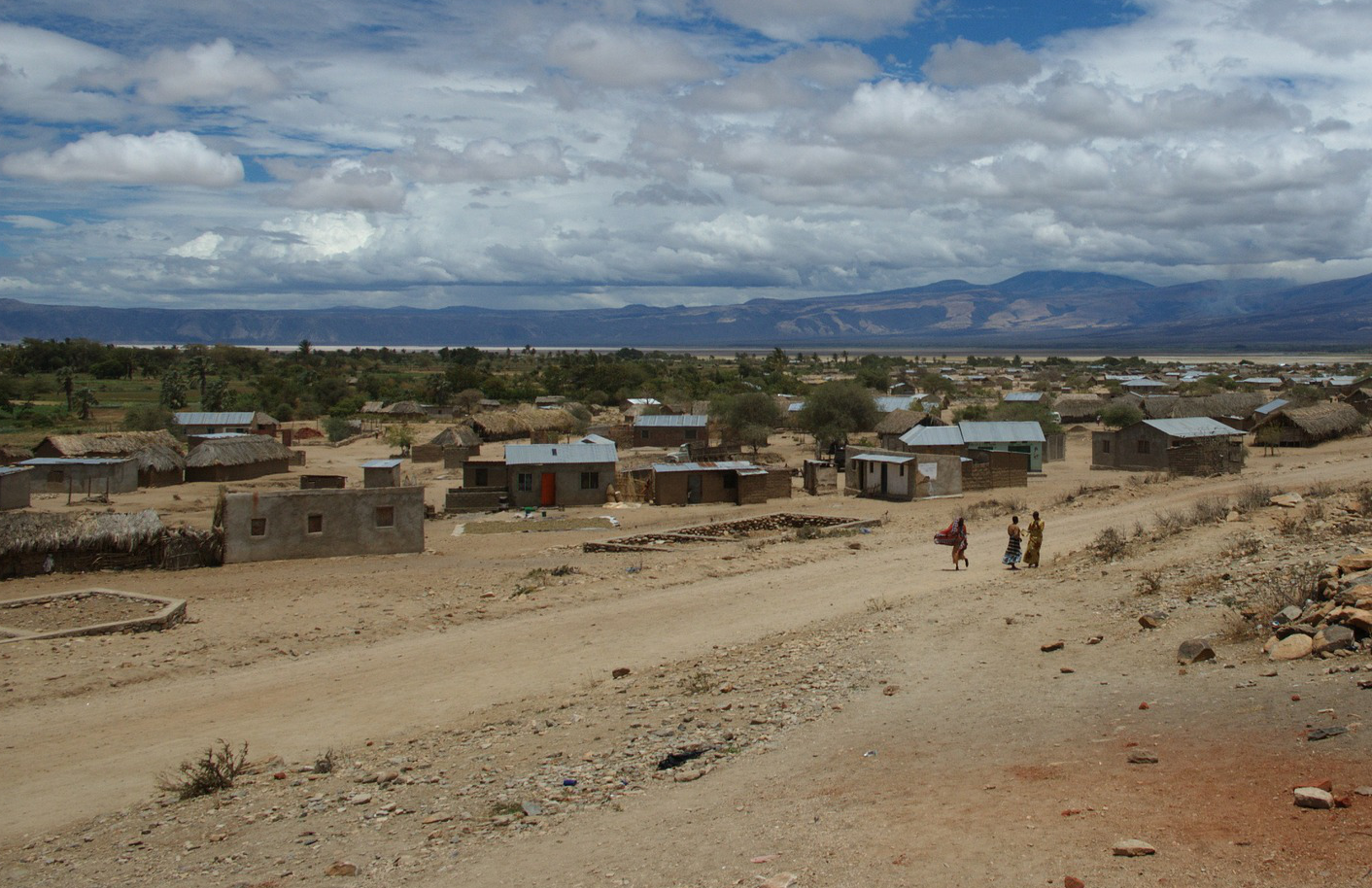
The Uzazi Uzima Project's work to build the capacity of healthcare workers to provide high-quality services has improved access to reproductive, maternal, newborn, child, and adolescent health services—including family planning—in northern Tanzania's Simiyu Region.

Le maintien de l’utilisation de la contraception chez les jeunes en Afrique de l’Ouest
Ce dialogue politique virtuel a discutait les obstacles à l’utilisation durable de la contraception chez les jeunes et à créer des opportunités de collaboration entre les organisations dirigées par des jeunes, les journalistes et les jeunes chercheurs.
Sustaining Youth Contraceptive Use in West Africa
PACE convened a two-hour virtual policy dialogue on youth contraceptive discontinuation in West Africa on May 26, 2021. The event aimed to increase regional policymakers’ commitment to addressing the barriers to sustained contraceptive use among youth and forge collaboration opportunities for youth-led organizations, journalists, and young researchers.

Reflections on advances in DMPA-SC and self-injection
FHI 360’s Catherine Packer shares a personal perspective on DMPA-SC’s past ten years, from early research to recent workshops. Since its introduction—and particularly since it became available for self-injection—DMPA-SC has become an important part of the global family planning and reproductive health landscape.