


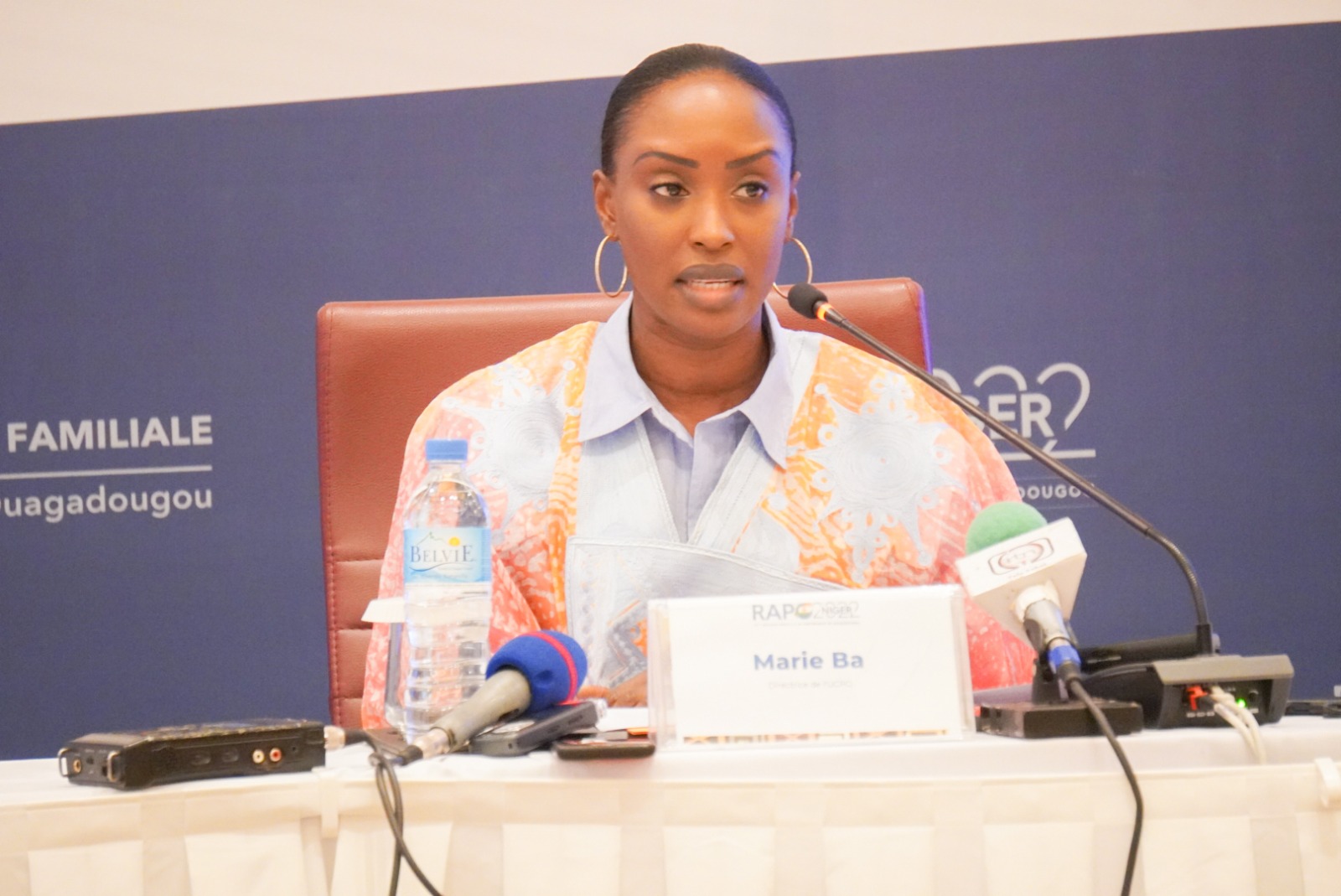
12 ANS APRÈS : RÉUSSITES ET DÉFIS DU PARTENARIAT DE OUAGADOUGOU
A quelques semaines de la réunion annuelle du Partenariat de Ouagadougou qui se tiendra du 11 au 13 décembre à Abidjan, la directrice de l’Unité de Coordination du Partenariat de Ouagadougou (UCPO), Marie Bâ lève le coin du voile sur les succès et défis du Partenariat de Ouagadougou (PO), 12 ans après.

Domestic Resource Mobilization: Key Insights from the 2023 Francophone Africa Learning Circles
To explore what works and what doesn't work in family planning and reproductive health (FP/RH) programs, the Knowledge SUCCESS project launched Learning Circles, an activity designed to meet the need for transparent dialogue and learning between diverse FP/RH professionals.

La Planification Familiale en situation de crise humanitaire
La 10e Réunion Annuelle du Partenariat de Ouagadougou (RAPO) a été placée sous le thème : «Planification Familiale en contexte de crise humanitaire : Préparation, Réponse et Résilience ». La communauté du Partenariat est consciente de l’urgence d’agir, étant donné les répercussions de ces crises sur les droits et les besoins essentiels des communautés. La question
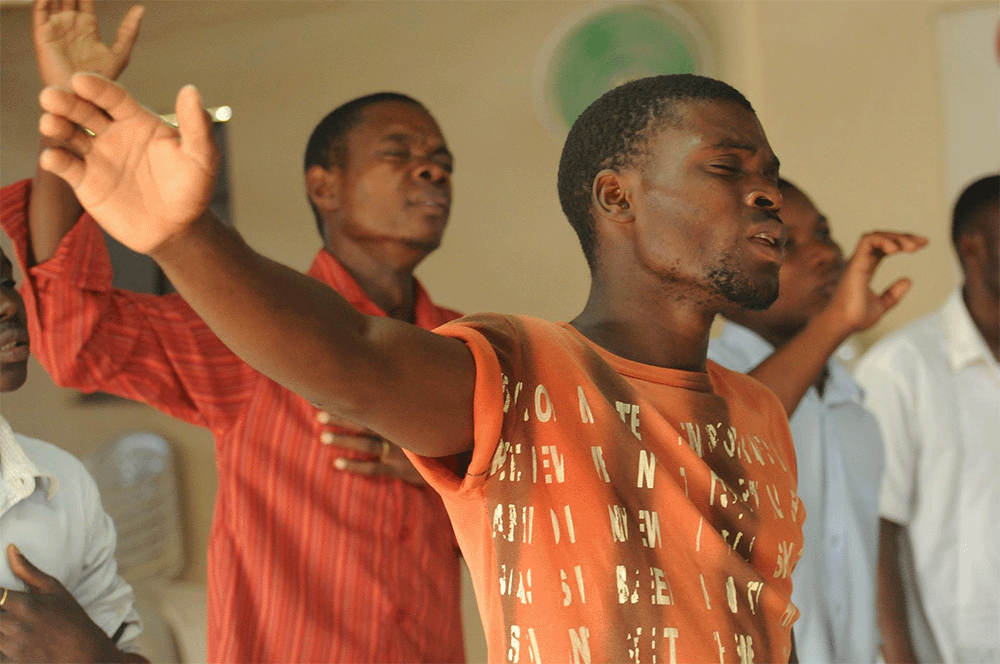
Youth, Faith, and Contraception in Francophone Africa
In francophone Africa, young people ages 15–24 have difficulty accessing quality family planning (FP) information and services. In addition, they have a higher contraceptive discontinuation rate than older women and are particularly sensitive to adverse effects. In March 2022, Population Reference Bureau (PRB) convened a series of four webinars as a follow-up to the dialogue on
Jeunesse, Religion et Contraception en Afrique francophone
En Afrique francophone, les jeunes âgés de 15 à 24 ans ont difficilement accès aux informations et services de planification familiale (PF) de qualité. De plus, ils affichent un taux d’abandon de la contraception supérieur à celui de leurs aînées et sont particulièrement sensibles aux effets indésirables. En mars 2022, PRB a tenu une série de
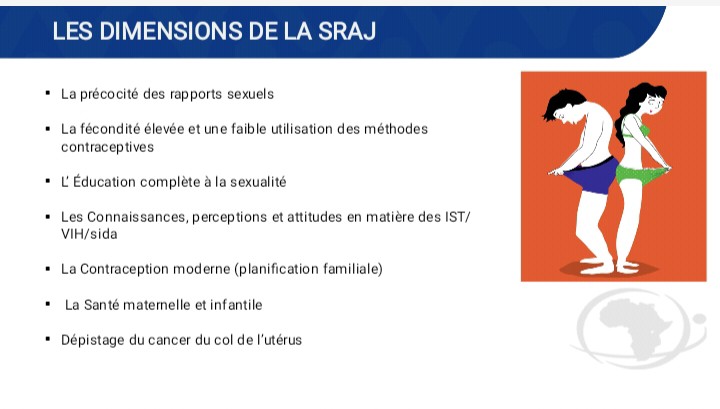
Une stratégie pour optimiser l’engagement des acteurs de la société civile du Partenariat de Ouagadougou
Depuis sa création, le Partenariat de Ouagadougou (PO) œuvre pour l’amélioration et la promotion de la santé reproductive et l’accès à l’information et aux services de planification familiale dans la sous région Ouest Africaine Francophone. Pour optimiser cette lutte, les Gouvernements, les donateurs du PO, et les partenaires de mise en œuvre locaux et internationaux se

Le Partenariat de Ouagadougou tient son deuxième dialogue régional des jeunes
Le Partenariat de Ouagadougou (PO) a tenu la deuxième édition de son dialogue régional des jeunes du 13 au 15 septembre 2021 à Abidjan. Sous le thème " Les jeunes agissent pour populariser des normes sociales favorables à la SRA ", le PO et ses partenaires ont produit des supports de communication adaptés pour faciliter l'accès
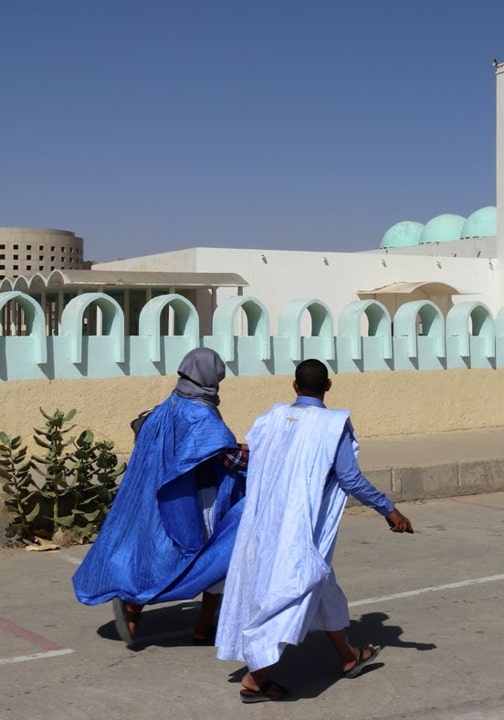
Religious Leaders: Allies for the Well-Being of Youth and Women
This webinar highlighted the role of religious leaders as important allies in promoting positive social norms for the reproductive health and well-being of young people and women, as well as the importance of partnerships and coalitions in building transformative community dialogue for positive change. It was jointly organized by the Passages Project (Institute for Reproductive Health,

Making Gloves, Forceps, and Other Supplies More Than an Afterthought
Massive improvements in our family planning (FP) supply chains in recent years have generated an expanded and more reliable method choice for women and girls around the world. But while we celebrate such success, one nagging issue that warrants attention is the corresponding equipment and consumable supplies, like gloves and forceps, necessary to administer these contraceptives:

Introducing Connecting the Dots Between COVID-19 and Family Planning
Connecting the Dots Between Evidence and Experience combines the latest evidence with implementation experiences to help technical advisors and program managers understand emerging trends in family planning and inform adaptations to their own programs. The inaugural edition focuses on the impact of COVID-19 on family planning in Africa and Asia.