


Malawi’s Self-Care Success Story: Rapid Introduction of Self-Injectable Contraception
The chronicle of Malawi’s rapid, efficient introduction of self-injected subcutaneous DMPA (DMPA-SC) into the method mix is a model of teamwork and coordination. Although this process typically takes about 10 years, Malawi achieved it in fewer than three. Self-injected DMPA-SC epitomizes the ideal of self-care by empowering women to learn how to inject themselves, and has
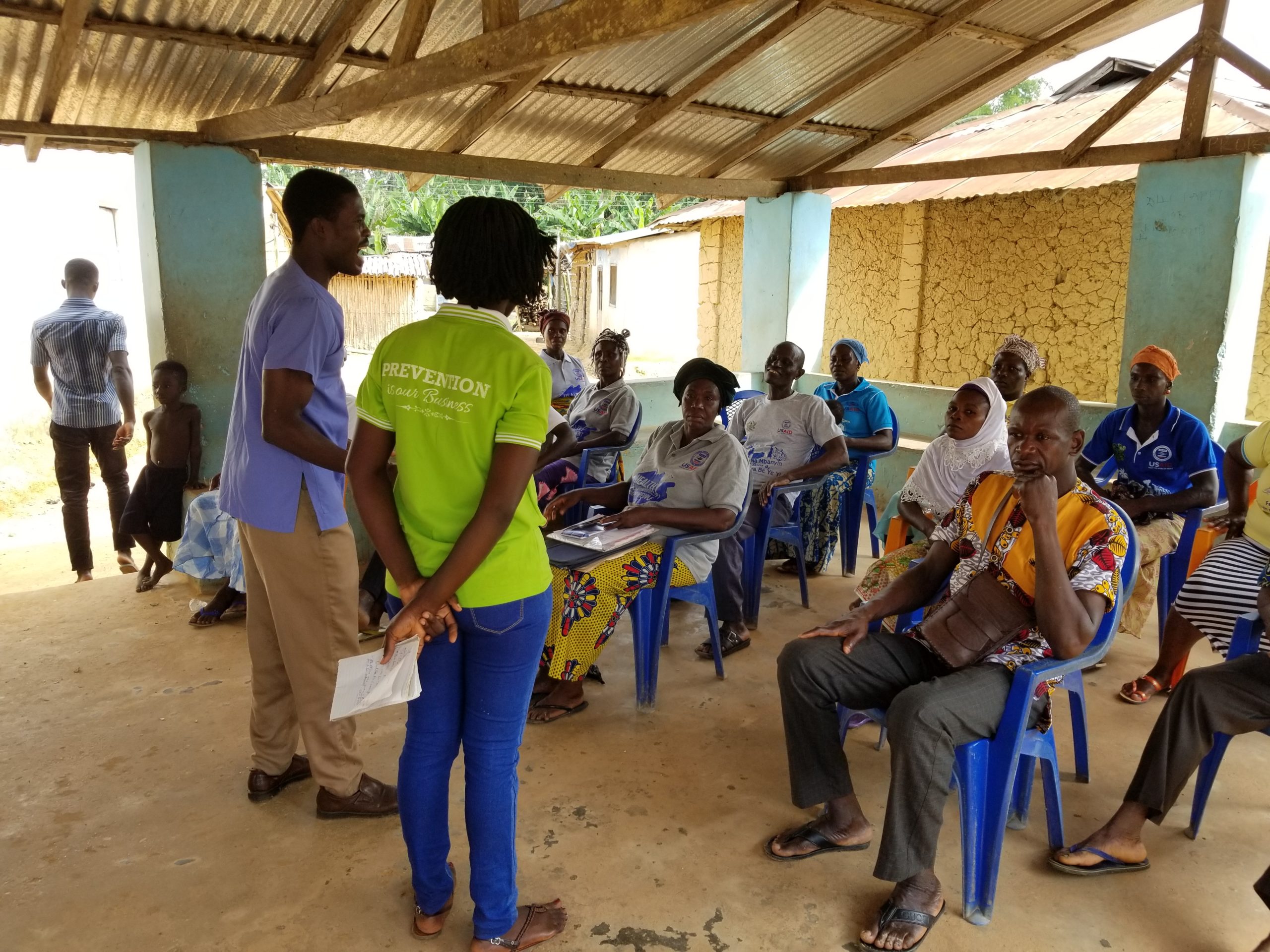
Hen Mpoano: Building a Healthy Environment and Healthy Families at the Last Mile
Ghanaian nonprofit Hen Mpoano implements and supports coastal and marine ecosystems governance projects and best practices. Tamar Abrams talks with Hen Mpoano's deputy director about a recent project that took a Population, Health, and Environment (PHE) approach, integrating the health of both the environment and those who live there.
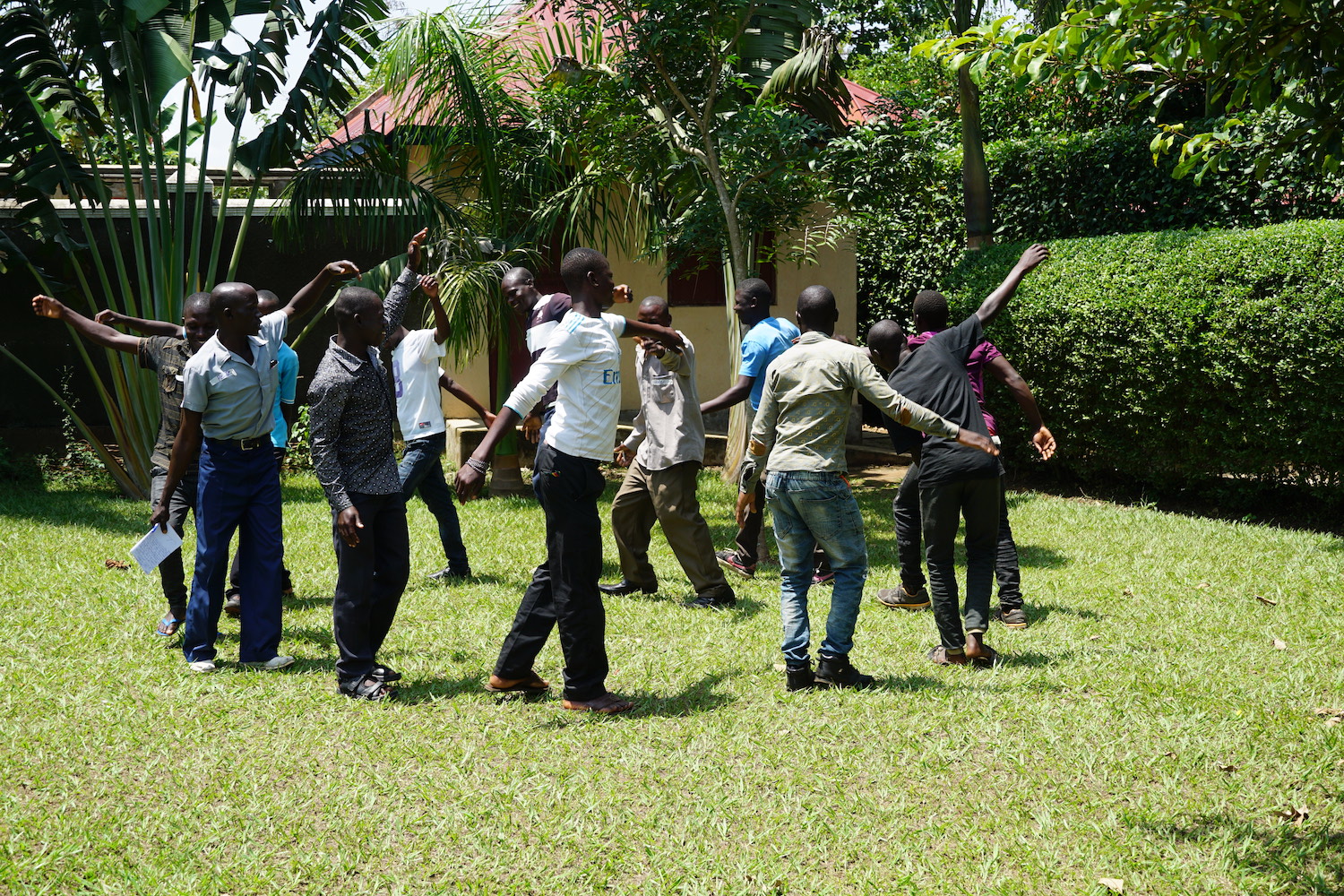
Young Emanzi: Mentoring Boys and Young Men to Develop Healthy, Gender-Equitable Relationships
FHI 360 developed and implemented a multicomponent mentoring program for ABYM (ages 15–24) called Young Emanzi. The program promotes positive gender norms, gender-equitable and healthy relationships, and economic productivity while also addressing the reproductive health needs of ABYM.
Sustaining Access to Voluntary Reproductive Health Care in East Africa
Youth and adolescents need special consideration. This article articulates the important role of decision makers and technical advisors in enhancing access to RH services by youth during COVID-19.

Engaging Drug Shops: Critical to Increasing Family Planning Access
Donors and a small group of implementing partners are working to understand how to best support and involve drug shops as safe and reliable family planning providers. Expanding the broader community of family planning professionals’ understanding of the drug shop operators’ impact is going to be important for ensuring a supportive policy and programmatic environment for

Opening Doors: Mentoring for Effective Advocacy
Young leaders can be a powerful force for change, and they can be even more effective when they have access to seasoned allies. USAID's Health Policy Plus (HP+) shares insights from an intergenerational mentoring program in Malawi. Young leaders receive the support they need to engage village, district, and national stakeholders to deliver on the promises
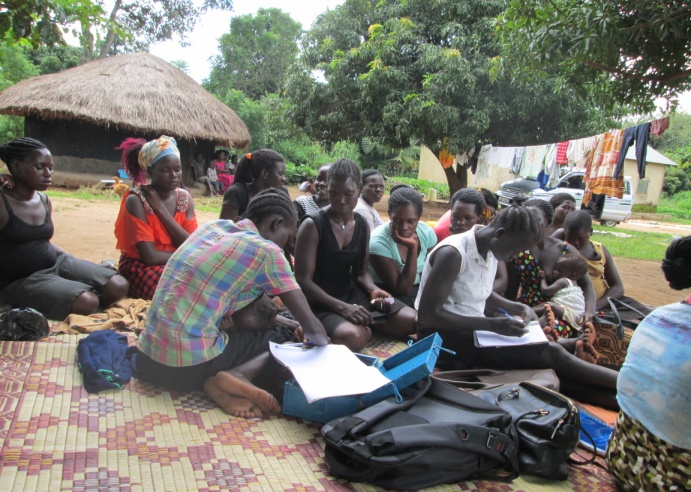
Mentoring Equips Girls and Young Women with the Knowledge, Skills, and Support to Overcome Challenges
Worldwide, girls and young women face a wide array of challenges to their health and well-being. Research on the impact of mentoring demonstrates the importance of positive role models and social support systems for improving health knowledge and outcomes. Our colleagues at FHI 360 share how they developed and implemented a multicomponent mentoring program Anyaka Makwiri

Are We Staying True to Our Commitments to Young People?
In October 2018, more than 100 organizations signed on to the Global Consensus on Meaningful Adolescent and Youth Engagement (MAYE). The question remains: what has been the impact of MAYE? We asked a few young leaders in the family planning movement to share their views.

The Open Birth Interval Tells a Story
The open birth interval reveals a pattern that varies by a woman’s age, the number of living children she has, her residence, and her socioeconomic level. More importantly, the open interval could reveal a lot about her reproductive behavior, status, and contraceptive needs.

Monitoring COVID-19’s Effects on Family Planning: What Should We Measure?
On the supply side, we may be able to monitor availability of family counselors and contraceptives to meet needs during the COVID-19 pandemic. But what of the demand side? How can we monitor shifts in women’s family planning needs and preferences in light of the social and economic shocks they are facing due to the pandemic?