


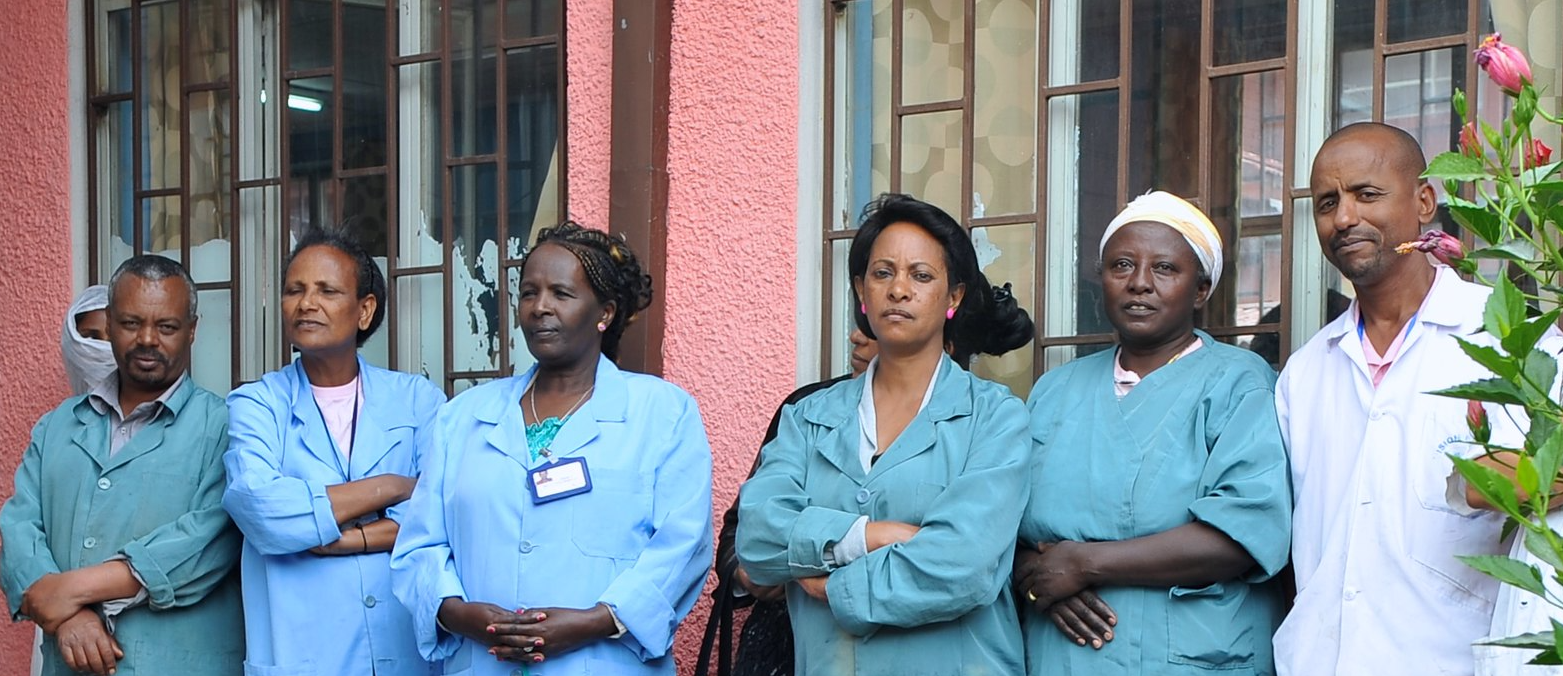
HIV and Contraceptive Service Integration for Female Sex Workers
Key populations, including female sex workers, face barriers to health care access that include stigma, criminalization, and gender-based violence. In many cases, these barriers can be mitigated by peer educators, who bring valuable insight and may engender trust with clients.

Increasing the Impact of Reproductive Health Programs
This piece summarizes a recent study by the USAID-funded Passages Project exploring social norms impacting the reproductive health of adolescent girls and young women in Burundi. We explore how the research findings can be applied in the design of reproductive health programs to identify and involve key influence groups that influence social norms.

Increasing the Impact of Reproductive Health Programs
This piece summarizes a recent study by the USAID-funded Passages Project exploring social norms impacting the reproductive health of adolescent girls and young women in Burundi. We explore how the research findings can be applied in the design of reproductive health programs to identify and involve key influence groups that influence social norms.

East Africa’s FP Knowledge Management Champions
Knowledge Management Champions play an important role in change management for family planning and reproductive health (FP/RH) programs. Also known as KM Champions, Knowledge Activists, or Knowledge Coordinators, they are not knowledge managers but part-time volunteer knowledge change agents—facilitating knowledge acquisitions from knowledge innovators and enabling the sharing and effective utilization of such knowledge.

Kenya Includes Contraceptive Injections in Its Pharmacist Training Package
Working alongside family planning advocates, Jhpiego Kenya applied the nine-step SMART advocacy approach to engage stakeholders in the creation of a new pharmacist training package. The updated curriculum includes that includes instruction on providing contraceptive injectables DMPA-IM and DMPA-SC.
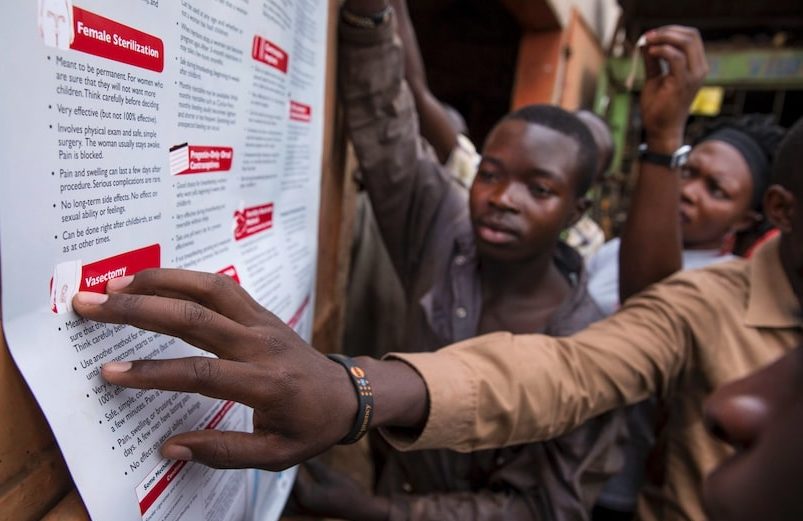
AYSRH in Uganda During the COVID-19 Pandemic
The COVID-19 pandemic has disordered the livelihoods of adolescents and young people across Uganda’s communities in many ways. With the first COVID-19 wave in March 2020 came the adoption of containment measures, such as the closure of schools, movement restrictions, and self-isolation. As a result, the health and well-being of young people, especially adolescent and youth

Advice on Creating a Network of PHE Partners
Madagascar has remarkable biodiversity with 80% of its flora and fauna found nowhere else in the world. While its economy is highly reliant on natural resources, significant unmet health and economic needs drive unsustainable practices. In the face of growing uncertainty—Madagascar is extremely susceptible to climate change—we spoke to Madagascar PHE Network Coordinator Nantenaina Tahiry Andriamalala
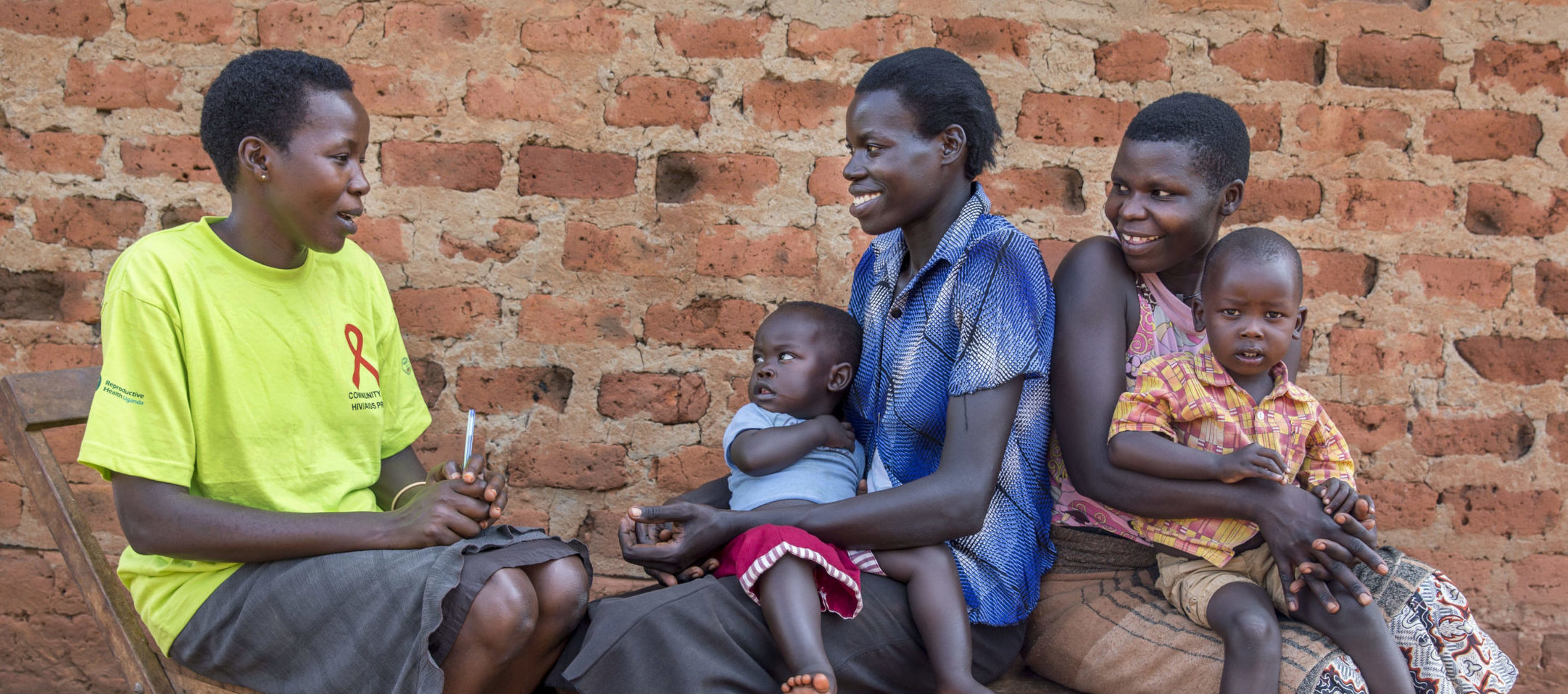
Advancing Self-Care in Uganda
Health care systems across the globe have always been based on a provider-to-client model. However, the introduction of new technology and products, and the increasing ease of access to information, has caused a shift in how health services can be delivered—placing clients at the center of health care. Various health areas, including sexual and reproductive health
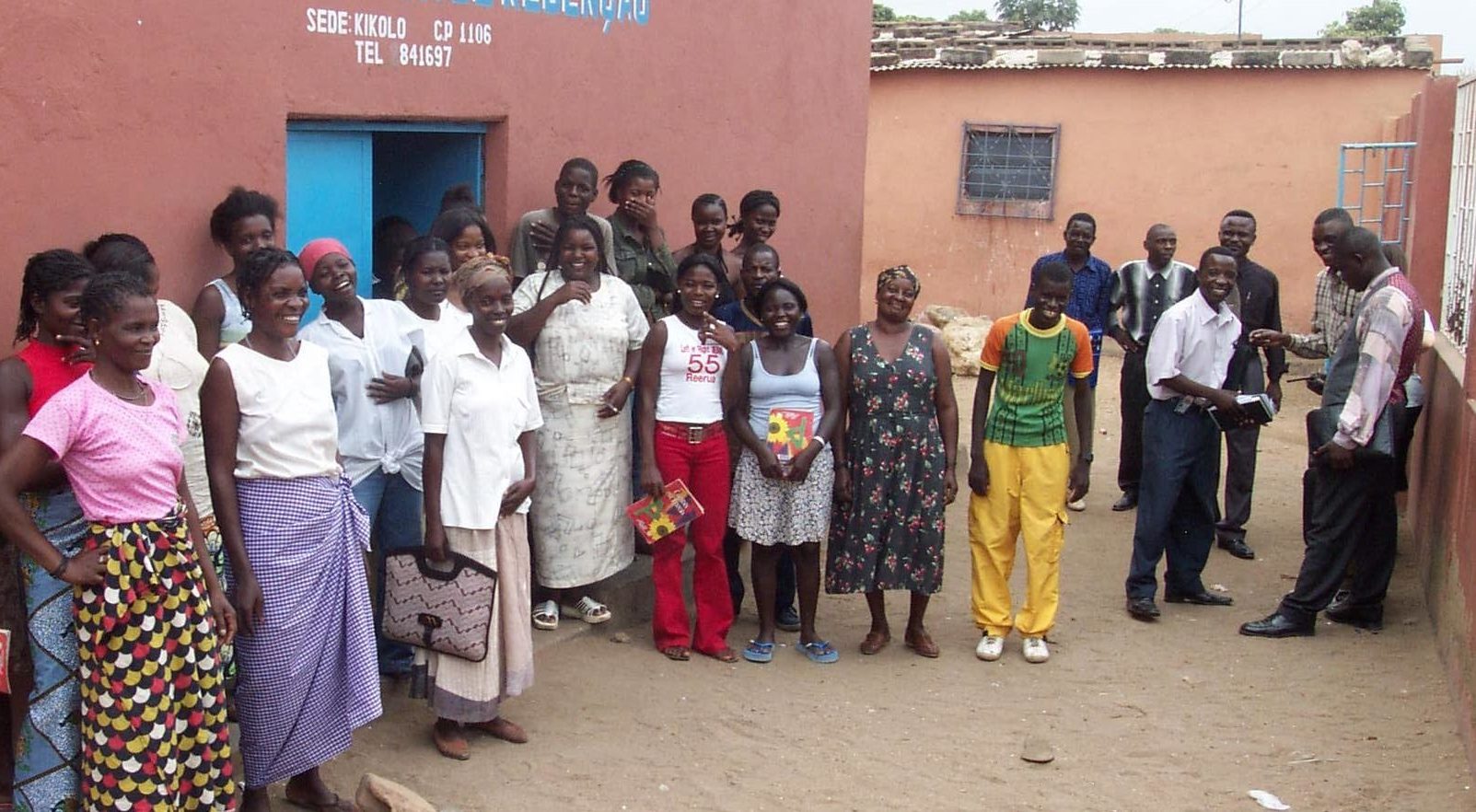
Engaging Faith-Based Organizations in Family Planning Advocacy
Faith-based organizations (FBOs) and faith institutions are often perceived as not supporting family planning (FP). However, FBOs have publicly shown support for FP for some time and play a vital role in health care service delivery, particularly in sub-Saharan Africa.

Knowledge Management in East Africa: Key Takeaways
The East African countries of Kenya, Uganda, Tanzania, and Rwanda seem to have one common challenge in the implementation of family planning and reproductive health programs—knowledge management. The countries are rich in family planning and reproductive health knowledge, but such information is fragmented and not shared. To tackle the identified challenges, Knowledge SUCCESS mobilized family planning