


Sustaining Access to Voluntary Reproductive Health Care in East Africa
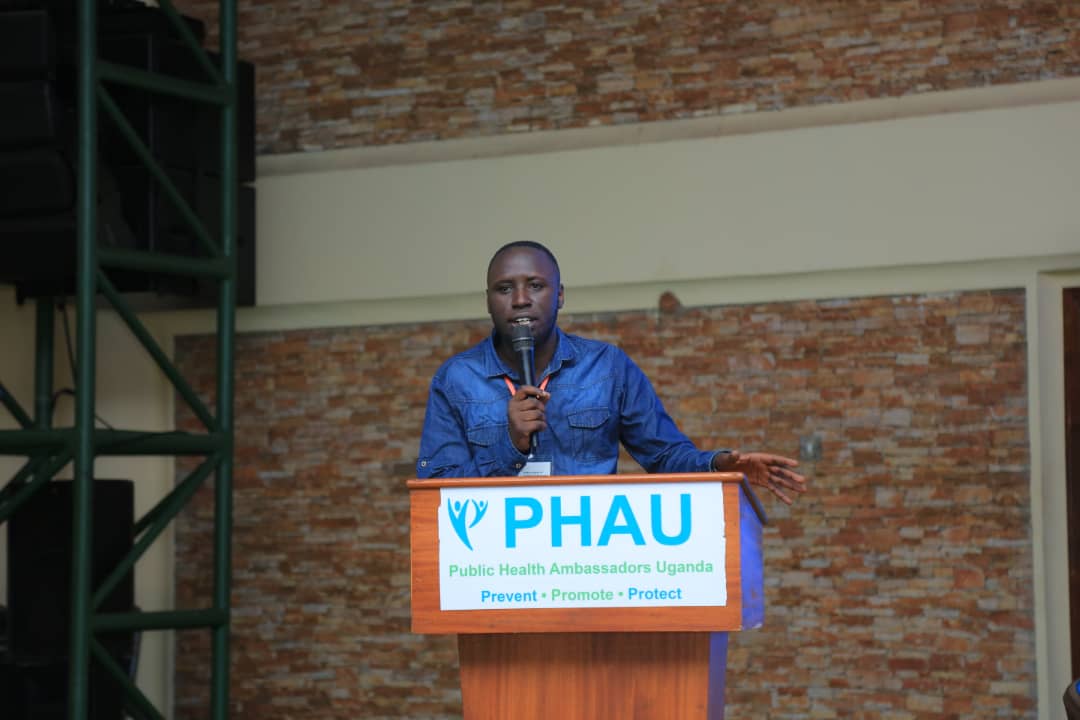
Youth and adolescents need special consideration. This article articulates the important role of decision makers and technical advisors in enhancing access to RH services by youth during COVID-19.

Engaging Drug Shops: Critical to Increasing Family Planning Access
Donors and a small group of implementing partners are working to understand how to best support and involve drug shops as safe and reliable family planning providers. Expanding the broader community of family planning professionals’ understanding of the drug shop operators’ impact is going to be important for ensuring a supportive policy and programmatic environment for

Opening Doors: Mentoring for Effective Advocacy
Young leaders can be a powerful force for change, and they can be even more effective when they have access to seasoned allies. USAID's Health Policy Plus (HP+) shares insights from an intergenerational mentoring program in Malawi. Young leaders receive the support they need to engage village, district, and national stakeholders to deliver on the promises

What’s the Potential for Drug Shops to Improve Access to Injectables?
Injectables are the most popular family planning method in Uganda but, until recently, were offered only by community health workers and at health facilities and hospitals. In contrast, the country’s 10,000 drug shops, which provide greater access in hard-to-reach rural areas, were authorized to supply only short-acting, nonprescription methods. FHI 360 supported the government of Uganda

Engaging Men as Partners in Family Planning
Studies have shown that men are highly influential in couples’ decisions about family planning (FP) and that their engagement in FP and other health services can be beneficial to their partners, their children, and themselves. However, in many countries, deeply embedded ideas about appropriate gender roles, as well as myths and misconceptions about FP, create barriers
Integrating Family Planning and Reproductive Health Programs:
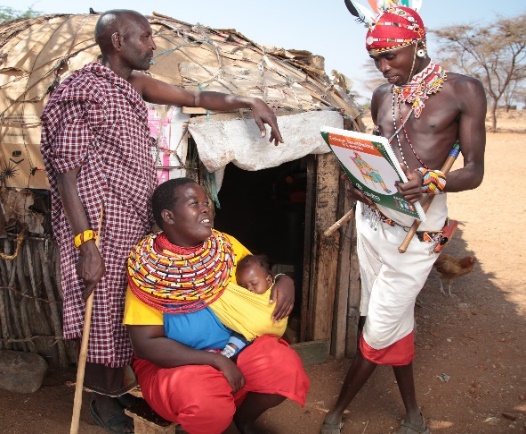
This piece summarizes the experience of integrating family planning and reproductive health (FP/RH) in the AFYA TIMIZA program, implemented by Amref Health Africa in Kenya. It provides insights to technical advisors and program managers that there is no one-size-fits-all approach in FP/RH service provision, access, and utilization: context is a critical factor in design and implementation.
A Multisectoral Approach to Addressing Women’s Barriers to Family Planning: How the APC Project Did It in Uganda
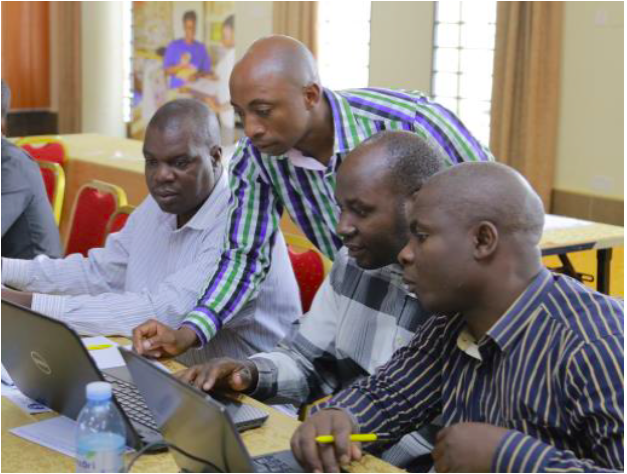
USAID’s Advancing Partners & Communities (APC) project in Uganda implemented a multisectoral approach to family planning. What lessons from APC’s work can be applied to similar future efforts?

We Know HIV and Family Planning Service Integration Works. But Are We Doing It?
This article explores recent research on the extent that family planning has been incorporated into HIV services in Malawi and discusses implementation challenges throughout the world.
Family Planning Knowledge in Africa
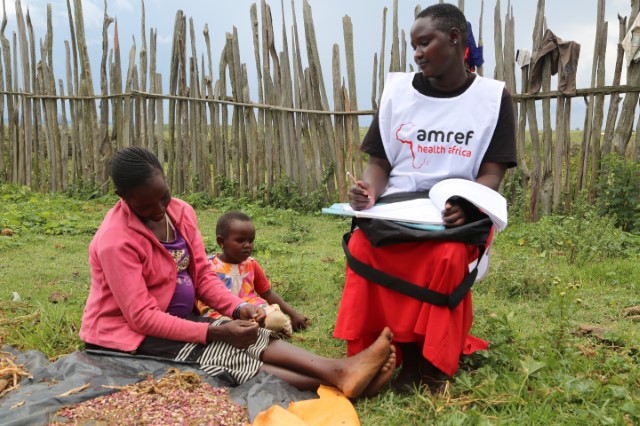
Find out what Amref Health Africa sees as East Africa's greatest strengths and weaknesses in knowledge sharing, and why we should all aspire to be lazy people in this interview with our colleagues Diana Mukami and Lilian Kathoki.