


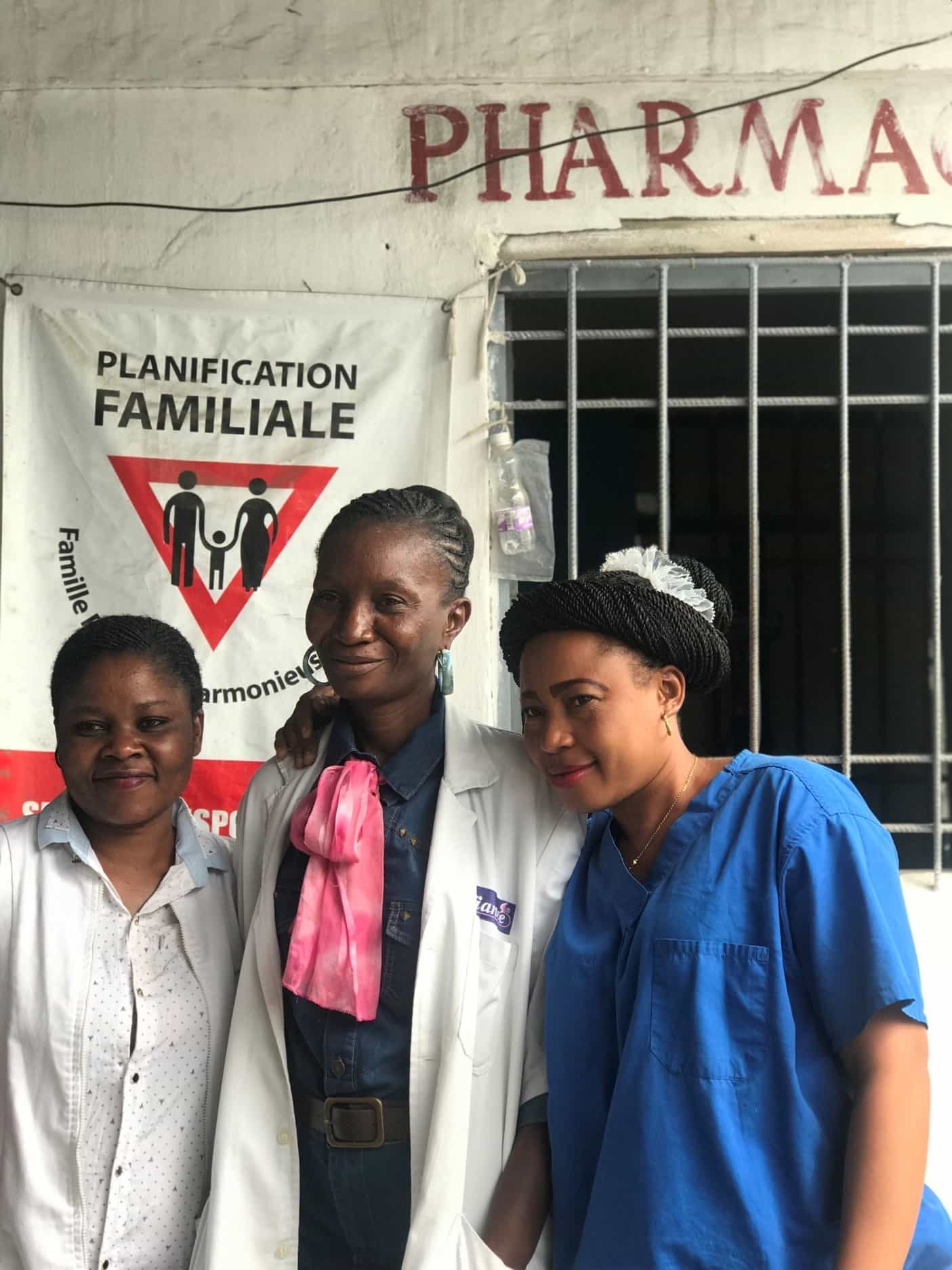
Improving Voluntary Use of Modern Family Planning Through Shifting Norms with Young Couples
In Kinshasa, Democratic Republic of Congo, more than a quarter of women have unmet need for voluntary family planning, affecting both their educational and economic opportunities—and their health. The Masculinité, Famille, et Foi project has sought to shift social norms to support the use of voluntary family planning among young couples in the city.

Top 10 Voluntary Family Planning Articles of 2020
Before this remarkable year ends, we’re taking a look back at the most popular Global Health: Science and Practice Journal (GHSP) articles on voluntary family planning in the last year according to you—our readers—that garnered the most reads, citations, and attention.
How Are Governments Ensuring that Voluntary Family Planning Remains an “Essential Service” During COVID-19?
In a variety of ways that suit their contexts, countries around the world have adapted international guidance on providing family planning care during the COVID-19 pandemic. Tracking the extent to which these new policies are successful in maintaining women’s access to safe, high-quality care will provide valuable lessons for responses to future public health emergencies.

20 Essential FP/RH Resources for Francophone Programs
A collection curated by Knowledge SUCCESS and Family Planning 2020 for family planning professionals who design and implement programs in low- and middle-income French-speaking countries.
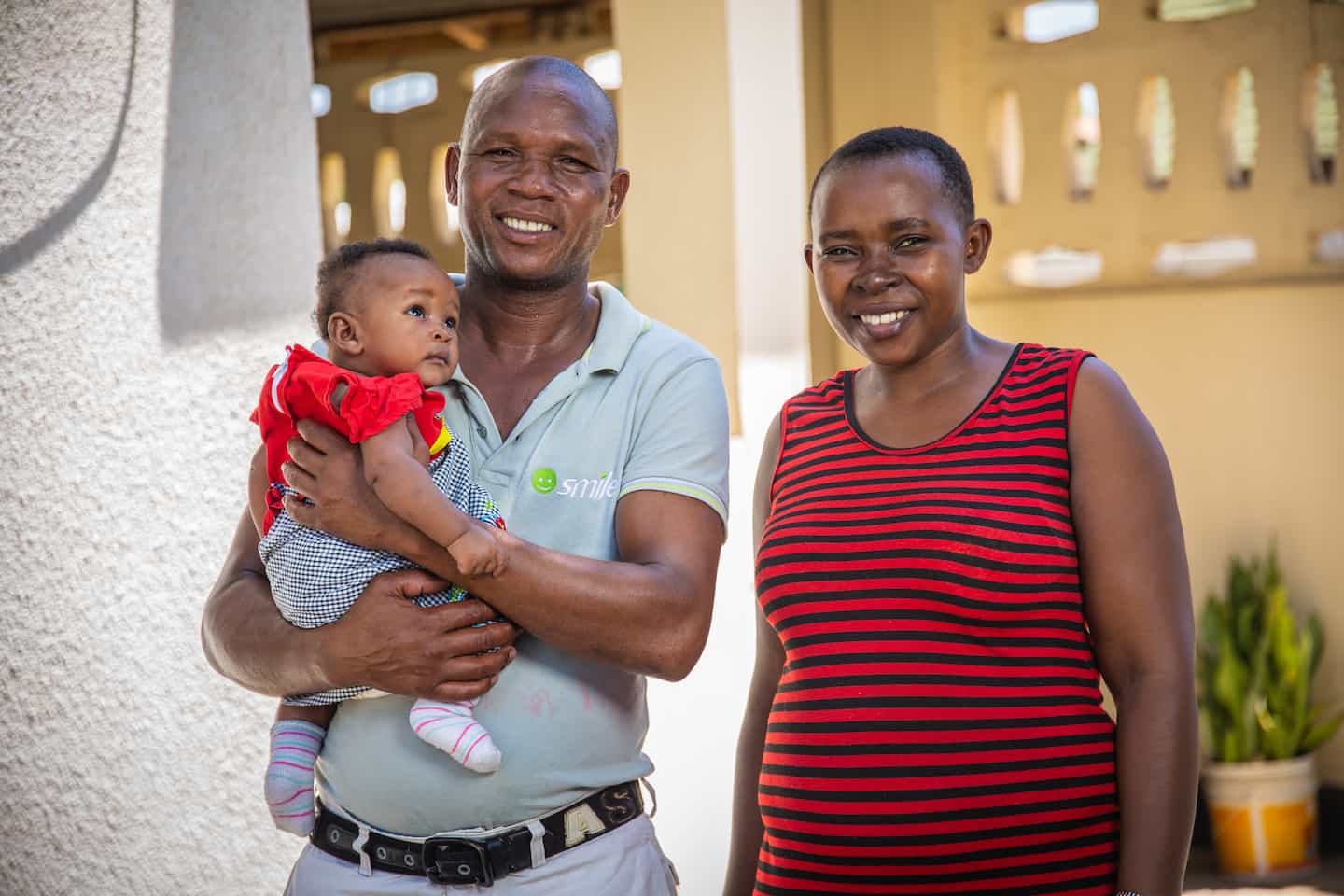
Visualizing Family Planning Market Scenarios
When public health officials make decisions, they are faced with competing demands on financial resources, conflicting interests, and the imperative to meet national health goals. Decision-makers need tools to help them establish a healthy market, particularly in resource-constrained settings. SHOPS Plus found this to be the case in a recent activity in Tanzania, where their ultimate
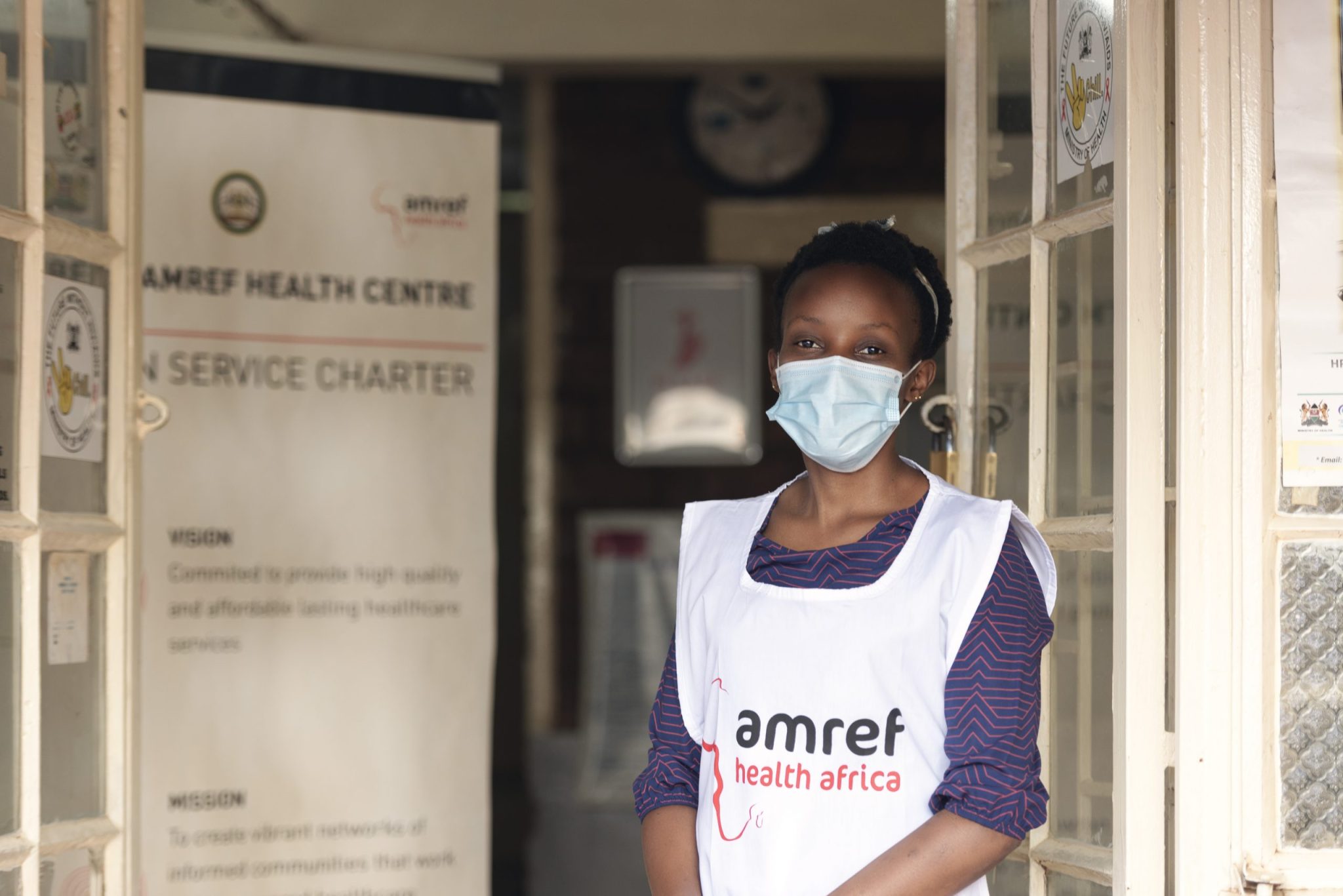
Integrating FP/RH into HIV Programming: Experiences from the Kibera Reach 90 Project
The integration of voluntary family planning and reproductive health care (FP/RH) with HIV service provision ensures FP information and services are made available to women and couples living with HIV without discrimination. Our partners at Amref Health Africa discuss the challenges of effectively addressing FP needs for vulnerable clients living in informal settlements and slum areas,

Did You Miss FP2020’s Webinar on “Exploring Digital Platforms for Family Planning During COVID-19”?
FP2020's webinar on digital health for family planning during the COVID-19 pandemic brought together presenters from a variety of projects, all of which are leveraging technology to meet the needs of their clients in new ways. Missed the webinar? Our recap is below, and so are links to watch for yourself.

Malawi’s Self-Care Success Story: Rapid Introduction of Self-Injectable Contraception
The chronicle of Malawi’s rapid, efficient introduction of self-injected subcutaneous DMPA (DMPA-SC) into the method mix is a model of teamwork and coordination. Although this process typically takes about 10 years, Malawi achieved it in fewer than three. Self-injected DMPA-SC epitomizes the ideal of self-care by empowering women to learn how to inject themselves, and has
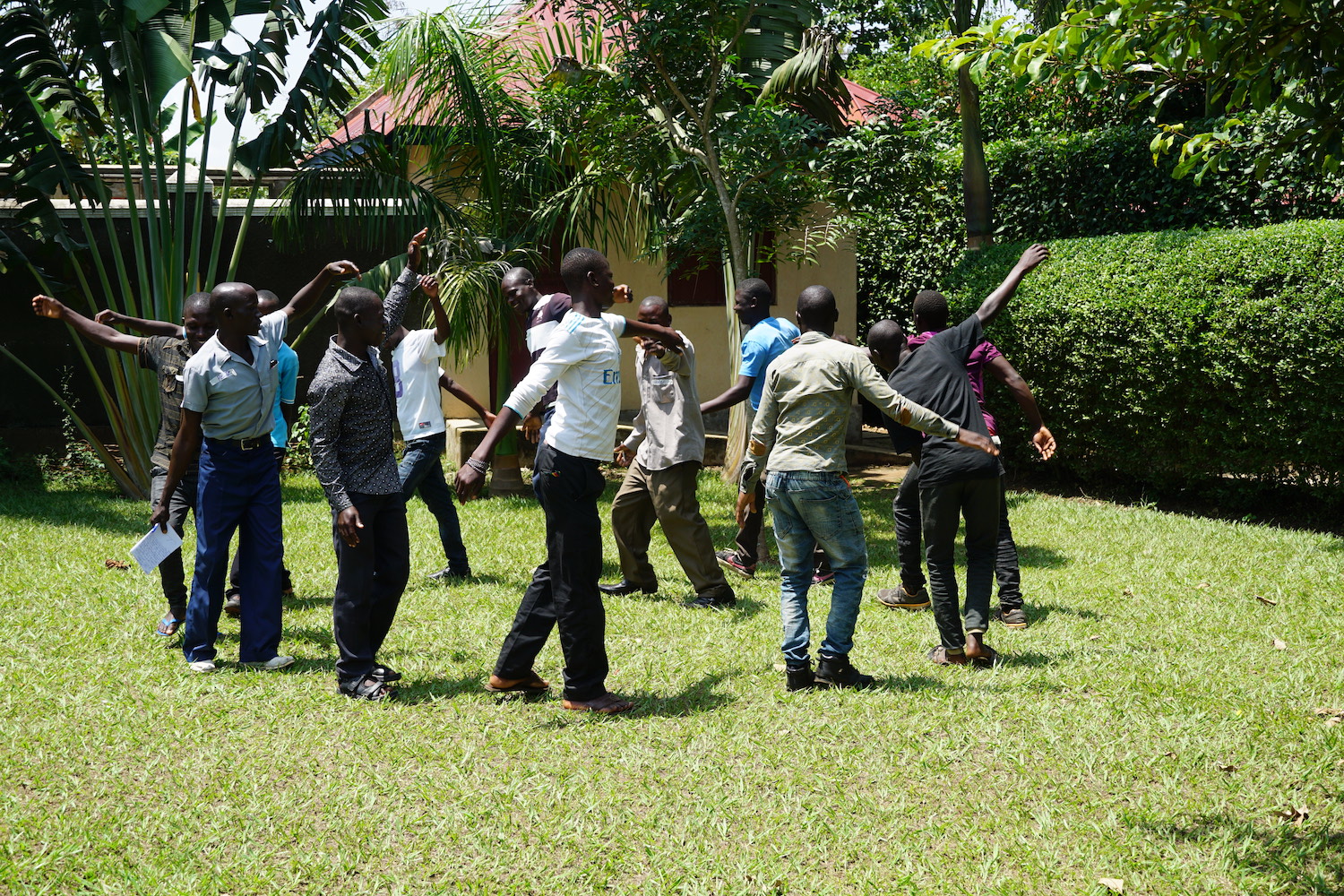
Young Emanzi: Mentoring Boys and Young Men to Develop Healthy, Gender-Equitable Relationships
FHI 360 developed and implemented a multicomponent mentoring program for ABYM (ages 15–24) called Young Emanzi. The program promotes positive gender norms, gender-equitable and healthy relationships, and economic productivity while also addressing the reproductive health needs of ABYM.

Tunza Mama: Community Midwifery Increases FP/RH Access at Home in Kenya
Our colleagues at Amref share how the Tunza Mama network improves the socio-economic status of midwives while positively impacting the health indicators of mothers and children in Kenya.