


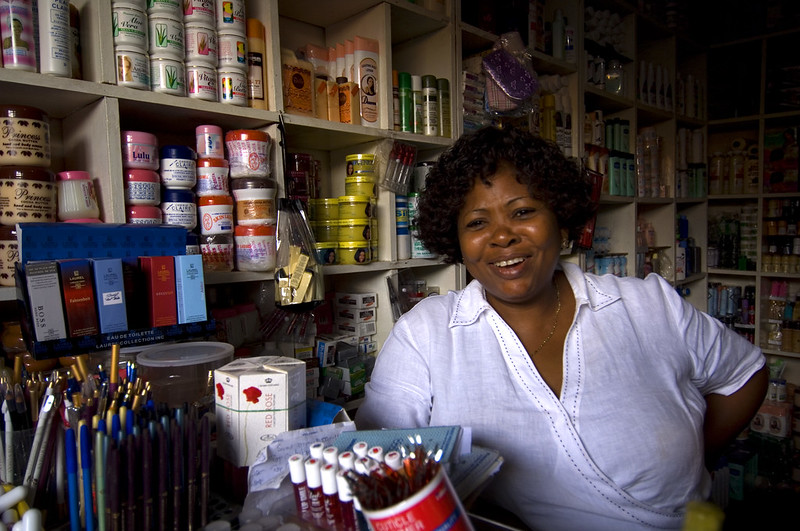
The Link Between Self-Care and Universal Health Coverage
As governments and global bodies collectively work toward universal health coverage, self-care is an important — if not critical — element. Self-care equips people to act as informed agents of and protect their own health, prevent disease, and treat illness, both with and without the support of a healthcare provider.

Postabortion Care and Postpartum Family Planning During COVID-19
Preserving voluntary family planning as an essential service amid the COVID-19 pandemic has been the clarion call for global actors in the family planning and reproductive health field. How do we also ensure that women seeking postpartum or postabortion care don’t fall in the gaps?

Introducing a Curated Collection: COVID-19 and Voluntary Family Planning Resources
Too much information can be almost as bad as too little. That's why we've collected the best resources on voluntary family planning during COVID-19—all in one convenient place.

Le Sénégal : Un leader pendant la COVID-19 pour l’accès aux soins de PF/SR
L’expérience de la COVID-19 a démontré l’impact des épidémies dans la continuité de l’offre de soins particulièrement celle de PF/SR. C’est pour cela, qu’en dehors de mesures prises pour lutter contre la COVID-19, on a compris qu’il est important de conduire parallèlement des actions qui garantissent la disponibilité et continuité des services essentiels SRMNIA.

Did You Miss FP2020’s Webinar on “Exploring Digital Platforms for Family Planning During COVID-19”?
FP2020's webinar on digital health for family planning during the COVID-19 pandemic brought together presenters from a variety of projects, all of which are leveraging technology to meet the needs of their clients in new ways. Missed the webinar? Our recap is below, and so are links to watch for yourself.

Reimagining Delivery of Essential Health Care
With the prospect of delivering an effective COVID-19 vaccine ever changing, public health professionals have a responsibility to ensure uninterrupted access to essential health care to women and their families. We must take this opportunity to reinvigorate health systems strengthening efforts that prioritize decentralized, community-based and client-focused mechanisms for accessing health products, services and information.
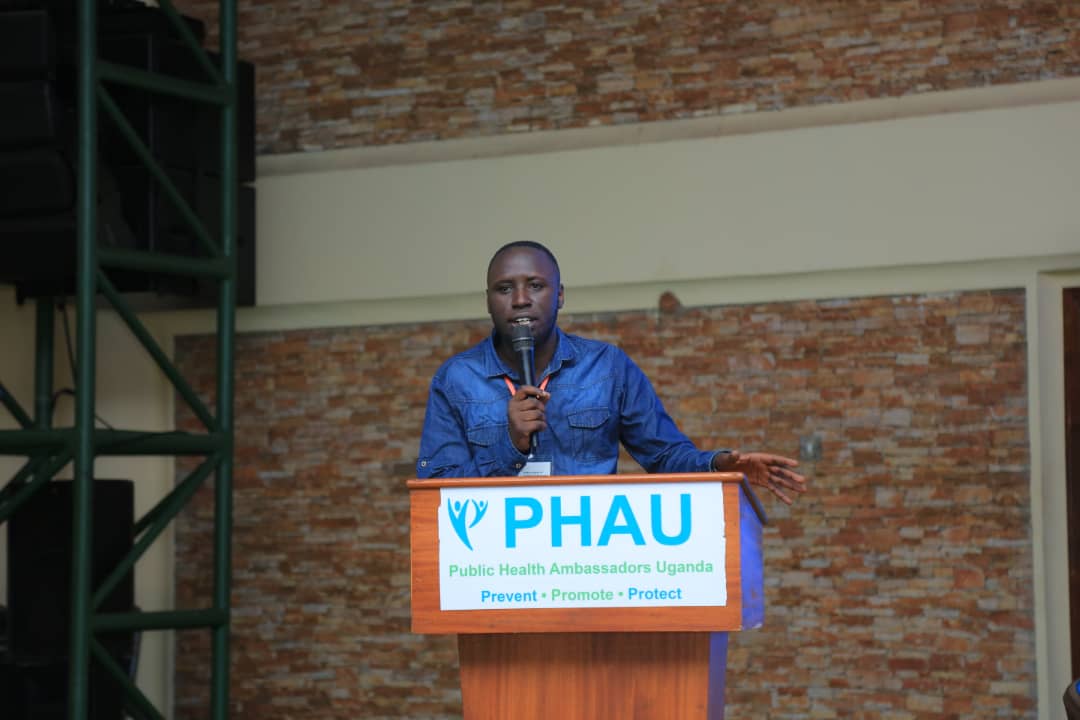
Sustaining Access to Voluntary Reproductive Health Care in East Africa
Youth and adolescents need special consideration. This article articulates the important role of decision makers and technical advisors in enhancing access to RH services by youth during COVID-19.

Monitoring COVID-19’s Effects on Family Planning: What Should We Measure?
On the supply side, we may be able to monitor availability of family counselors and contraceptives to meet needs during the COVID-19 pandemic. But what of the demand side? How can we monitor shifts in women’s family planning needs and preferences in light of the social and economic shocks they are facing due to the pandemic?

Acceleration of Self-Care in the Time of COVID-19
How can self-care measures better equip us to tackle the COVID-19 pandemic? Guest contributors from PSI and Jhpiego offer insight and guidance.

Acceleration of Self-Care in the Time of COVID-19
How can self-care measures better equip us to tackle the COVID-19 pandemic? Guest contributors from PSI and Jhpiego offer insight and guidance.