



Youth, Faith, and Contraception in Francophone Africa
In francophone Africa, young people ages 15–24 have difficulty accessing quality family planning (FP) information and services. In addition, they have a higher contraceptive discontinuation rate than older women and are particularly sensitive to adverse effects. In March 2022, Population Reference Bureau (PRB) convened a series of four webinars as a follow-up to the dialogue on
Jeunesse, Religion et Contraception en Afrique francophone
En Afrique francophone, les jeunes âgés de 15 à 24 ans ont difficilement accès aux informations et services de planification familiale (PF) de qualité. De plus, ils affichent un taux d’abandon de la contraception supérieur à celui de leurs aînées et sont particulièrement sensibles aux effets indésirables. En mars 2022, PRB a tenu une série de

Common Questions in AYSRH: Connecting Conversations’ Experts Weigh In
Over the course of 18 months, FP2030 and Knowledge SUCCESS hosted 21 sessions of Connecting Conversations. The interactive series brought together speakers and participants from around the world for dialogues around timely topics in adolescent and youth sexual and reproductive health (AYSRH). Here we explore the answers to some of the series’ top questions.
Accelerating Young People’s Access to Contraceptive Services
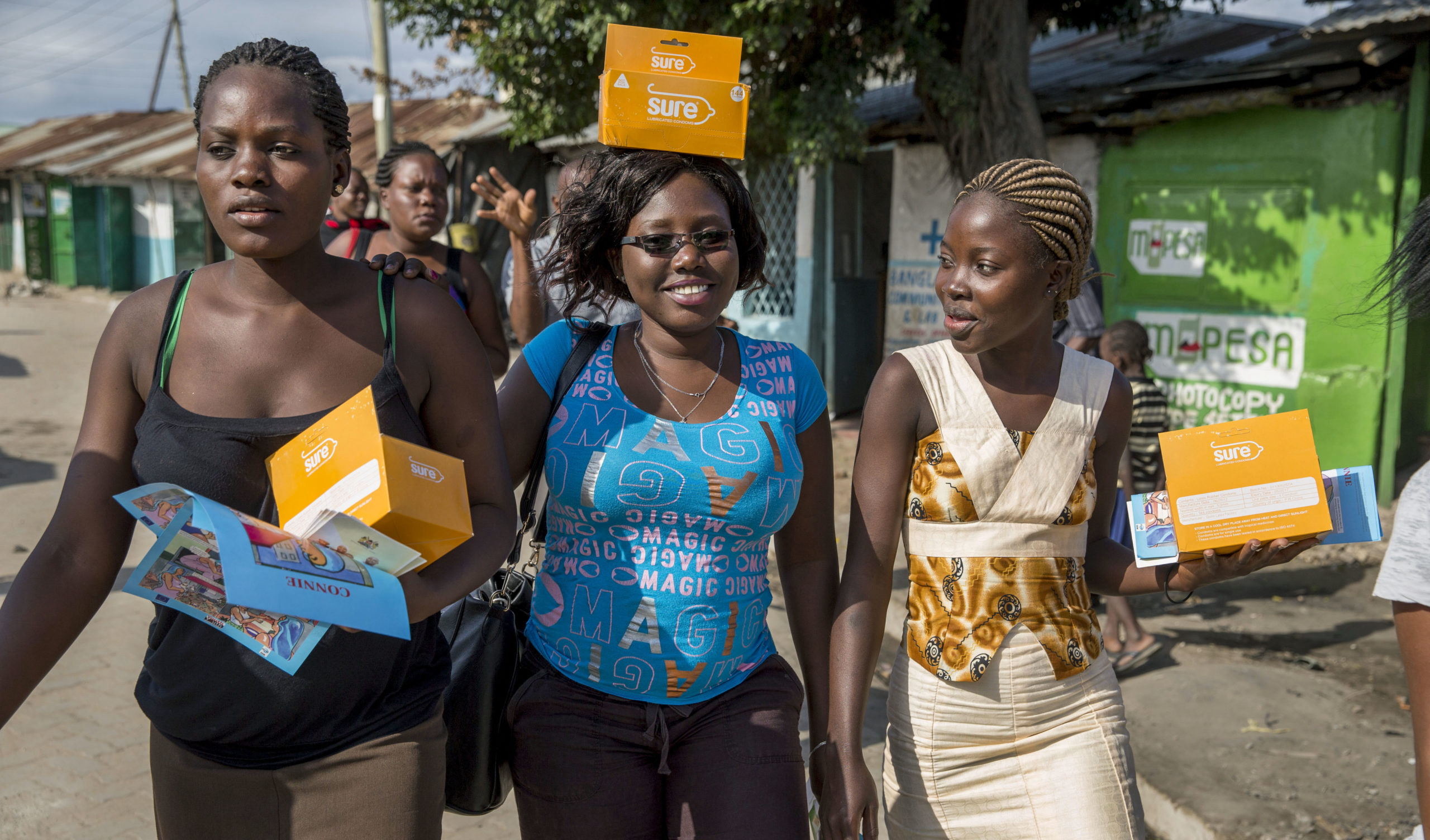
Pharmacies play a critical role in providing access to reproductive health services in low-resource settings in Kenya. Without this private-sector resource, the country would not be able to meet the needs of its young people. Kenya’s National Family Planning Guidelines for Service Providers allow pharmacists and pharmaceutical technologists to counsel, dispense, and provide condoms, pills, and
Premarital Family Planning and Reproductive Health Counseling in Bangladesh
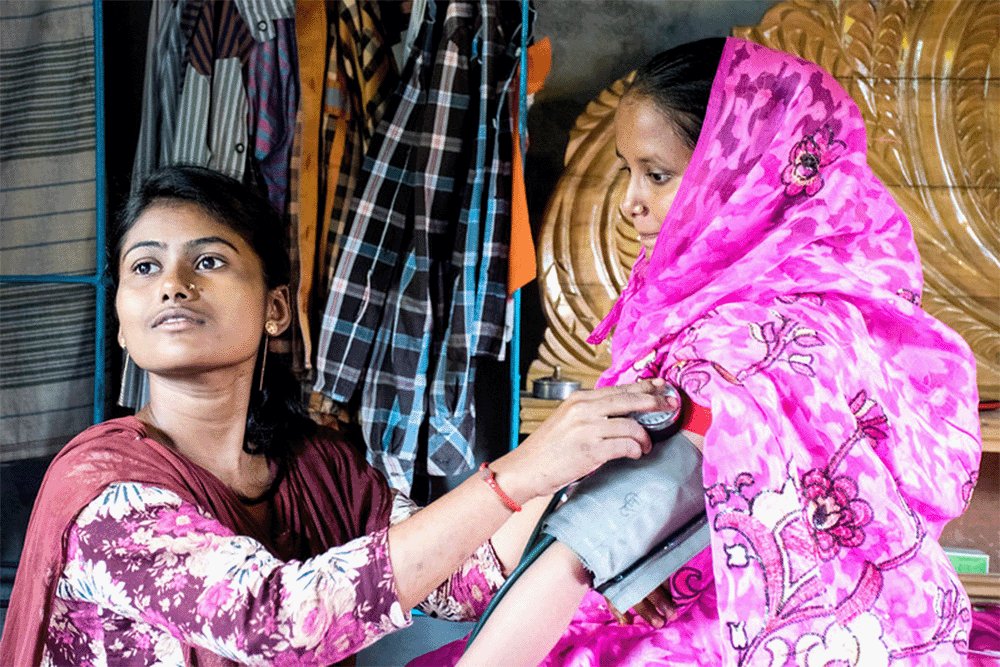
Bangladesh has the highest rate of child marriage in Asia. Early marriage leads to a poorer quality of life for girls. It is detrimental to their agency and ability to obtain or continue education. So, in order to improve young couples’ quality of life and encourage them to make informed decisions, the Bangladesh Center for Communication

JFLAG Champions LGBTQ Sexual and Reproductive Health and Rights in Jamaica
Recently, Knowledge SUCCESS Program Officer II Brittany Goetsch chatted with Sean Lord, Senior Program Officer at the Jamaica Forum for Lesbians, All-Sexuals and Gays (JFLAG), about LGBTQ* AYSRH and how JFLAG pursues their vision of building a society that values all individuals, irrespective of their sexual orientation or gender identity. In this interview, Sean details his
Meaningfully Engaging Youth: A Snapshot of the Asia Experience
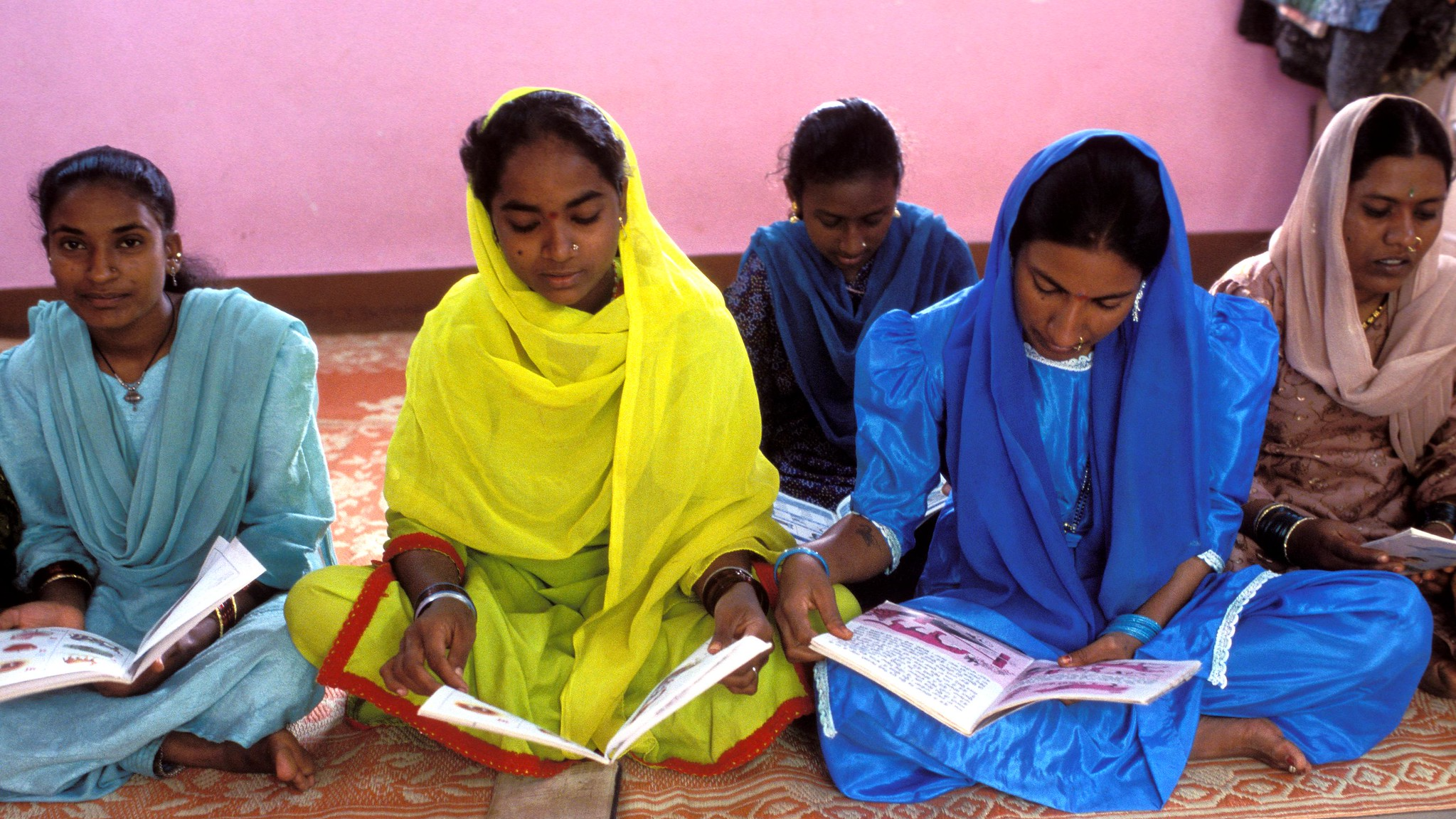
On March 22, 2022, Knowledge SUCCESS hosted Meaningfully Engaging Youth: A Snapshot of the Asia Experience. The webinar highlighted experiences from four organizations in the Asia region working to co-create youth-friendly programs, ensure quality FP/RH services for youth, develop youth-friendly policies, and meet the FP/RH needs of youth at different levels of the health system. Did

Creating a Framework for Defining Quality for HCD in ASRH Programming
Human-Centered Design (HCD) is a relatively new approach towards transforming Sexual and Reproductive Health (SRH) outcomes for youth and adolescents. But what does "quality" look like when applying Human-Centered Design (HCD) to Adolescent Sexual and Reproductive Health (ASRH) programming?

Le Partenariat de Ouagadougou tient son deuxième dialogue régional des jeunes
Le Partenariat de Ouagadougou (PO) a tenu la deuxième édition de son dialogue régional des jeunes du 13 au 15 septembre 2021 à Abidjan. Sous le thème " Les jeunes agissent pour populariser des normes sociales favorables à la SRA ", le PO et ses partenaires ont produit des supports de communication adaptés pour faciliter l'accès

Condoms: A Tried-and-True Family Planning Innovation
Approximately 121 million unintended pregnancies occurred each year between 2015 and 2019. When used correctly, female condoms are 95% effective at preventing pregnancy and sexually transmitted infection. Male (external) condoms provide a nearly impermeable barrier to particles the size of STI pathogens and HIV and are 98% effective at pregnancy prevention when used properly. Condoms remain