


Male Contraceptive Innovations on the Horizon
Innovations in male contraceptives have the potential to change the world of family planning. Male Contraceptive Initiative executive director Heather Vahdat spoke with us about how new male contraceptive methods will shape global public health outcomes.
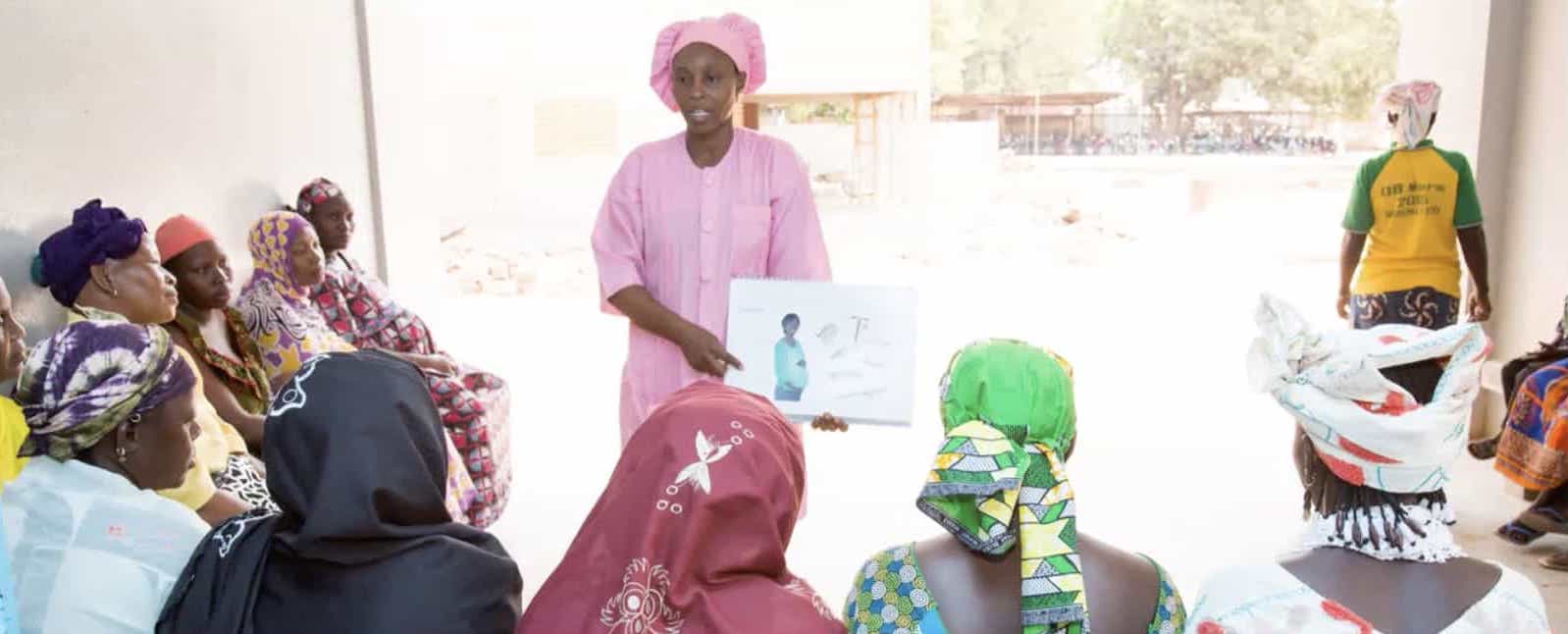
Scale-Up Community of Practice in Transition
In nearly eight years at the helm of the Systematic Approaches to Scale-Up Community of Practice (COP), the Evidence to Action (E2A) Project grew the community from several committed partners in 2012 to nearly 1,200 members worldwide today. With sustained engagement from the U.S. Agency for International Development (USAID), core technical partners and founding members, ExpandNet,
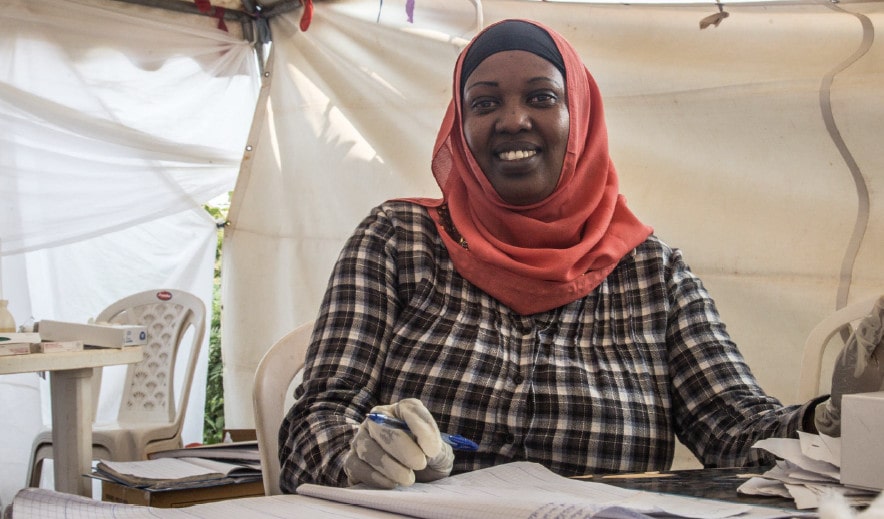
Recap: “An Introduction to FP2030 Commitments”
On March 24, FP2030 hosted the first in a series of conversations on FP2030 commitments. This webinar featured an introduction and orientation on the new elements of the FP2030 Commitment Guidance Toolkit. It also provided an opportunity for governments and non-state stakeholders to consult directly with thematic experts and discuss country experiences in the FP2030 commitment-making

Recap: Adolescent Responsive Services in Family Planning
On March 16, the NextGen RH CoP, Knowledge SUCCESS, E2A, FP2030, and IBP hosted a webinar, “Adolescent Family Planning and Sexual and Reproductive Health: A Health Systems Perspective,” that explored the updated High Impact Practice (HIP) brief on Adolescent Responsive Services.

Recap: Program Designs for the Diverse Needs of Young People
On March 18, Knowledge SUCCESS & Family Planning 2030 (FP2030) hosted the second session in the third set of conversations in the Connecting Conversations series, One Size Does Not Fit All: Reproductive Health Services Within the Greater Health System Must Respond to Young People’s Diverse Needs. This session focused on how different service models within a
Recap of “Connecting Conversations” Series: Adolescent Responsive Approaches
On March 4, Knowledge SUCCESS & Family Planning 2030 (FP2030) hosted the first session in the third set of conversations in the Connecting Conversations series, One Size Does Not Fit All: Reproductive Health Services Within the Greater Health System Must Respond to Young People’s Diverse Needs.

Implementing DMPA-SC Self-Injection During COVID-19 in Four Francophone Countries
Recap of a webinar on high-impact approaches to support the introduction and scale-up of the self-injectable contraceptive DMPA-SC in Francophone family planning programs in Burkina Faso, Guinea, Mali, and Togo.

9ème Réunion Annuelle du Partenariat de Ouagadougou (RAPO)
L'UCPO a saisi l'occasion pour annoncer que la finale du concours de plaidoyer des associations de jeunes du PO aura lieu le 31 mars 2021.

Spotlight on Couple-Focused Interventions in Family Planning Programs
Evidence to Action (E2A) has been reaching young first-time parents Burkina Faso, Tanzania, and Nigeria in recent years for strengthening family planning and reproductive health service delivery for girls, women, and underserved communities.

Lessons from Ghana to Inform DMPA-SC Safe Storage and Disposal
Providing women with containers for DMPA-subcutaneous (DMPA-SC) storage and sharps can help to encourage safe self-injection practices at home. Improper disposal in pit latrines or open spaces remains an implementation challenge to safely scaling this popular and highly effective method. With training from health providers and a provided puncture-proof container, self-injection clients enrolled in a pilot