


Technical Consultation on Contraceptive-Induced Menstrual Changes
On November 17‒18, 2020, a virtual technical consultation on contraceptive-induced menstrual changes (CIMCs) convened experts in the fields of family planning and menstrual health. This meeting was coordinated by FHI 360 through the Research for Scalable Solutions (R4S) and Envision FP projects with support from the U.S. Agency for International Development (USAID).

Digital Health Pilot Project in Uganda Extends the Reach of Family Planning Care in the Community
Community health workers (CHWs) used digital health technology to advance access to family planning care at the community level. CHWs are a critical component of any strategy to bring health services closer to people. The piece calls on policy makers and technical advisors to sustain investments in the digitization of community health programs to reduce unmet

Recap of “Connecting Conversation” Series: Preachers
In need of tips and tricks for improving your faith-based adolescent reproductive health work? Check out this summary of FP2020 and Knowledge Success’ recent conversation with experts on this topic!

Can Social Listening and Social Media Monitoring Benefit Your SBC Activities?
Social media has increasingly become one of the most popular places for individuals to express their views and engage in conversations about what they see, hear, and believe. There are currently 3.4 billion social media users, a figure projected to increase to 4.4 billion by 2025. This growing popularity means that social media can also be
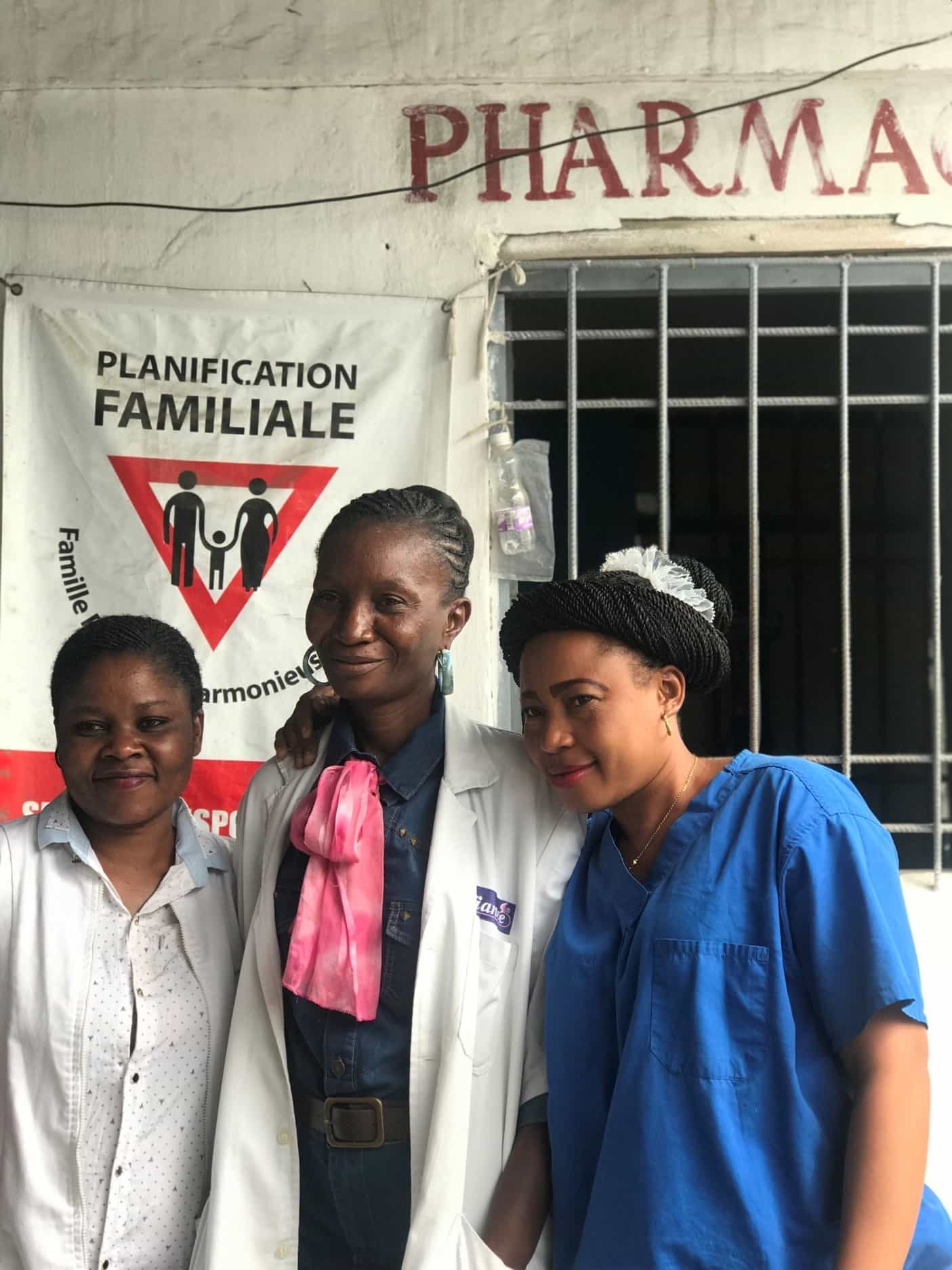
Improving Voluntary Use of Modern Family Planning Through Shifting Norms with Young Couples
In Kinshasa, Democratic Republic of Congo, more than a quarter of women have unmet need for voluntary family planning, affecting both their educational and economic opportunities—and their health. The Masculinité, Famille, et Foi project has sought to shift social norms to support the use of voluntary family planning among young couples in the city.

Top 10 Voluntary Family Planning Articles of 2020
Before this remarkable year ends, we’re taking a look back at the most popular Global Health: Science and Practice Journal (GHSP) articles on voluntary family planning in the last year according to you—our readers—that garnered the most reads, citations, and attention.

Applying Lessons from Zika to COVID
One of the key components to efficiently responding to global outbreaks is learning and adapting from past experiences. Reflecting on these lessons and how they can be adapted to fit our needs during the COVID pandemic can save time and help ensure an effective response. Here, we share lessons learned and effective practices from the 2016-19

Introducing a Must-Have Family Planning Resource Guide to end 2020
Consider this Family Planning Resource Guide your holiday gift guide for voluntary family planning tools and resources.
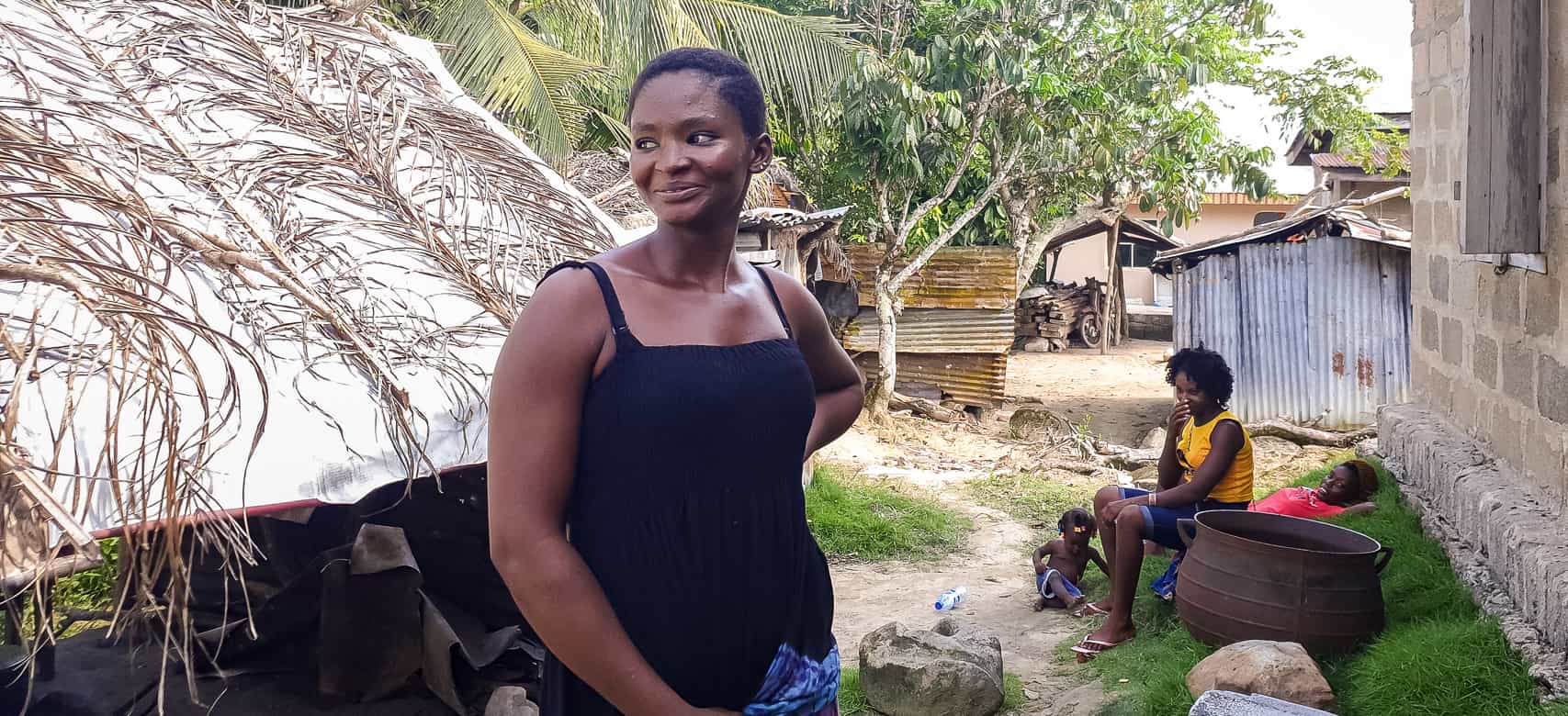
8 Must-See Insights for First-Time Parent Programs
Queen Esther is proud to lead this small peer group, part of a core package of activities for young first-time parents (FTPs) developed by the Evidence to Action (E2A) Project. E2A’s comprehensive first-time parent program model, implemented with dedicated country partners and funding from USAID, is effectively improving health and gender outcomes for this critical population

Recap of Supply Chain Management Webinar
On November 19, the High Impact Practices for Family Planning (HIPs) Network, in collaboration with Family Planning 2020 (FP2020) and IBP Network, hosted a webinar where family planning supply chain experts presented the most important intervention areas and tips from experience.