


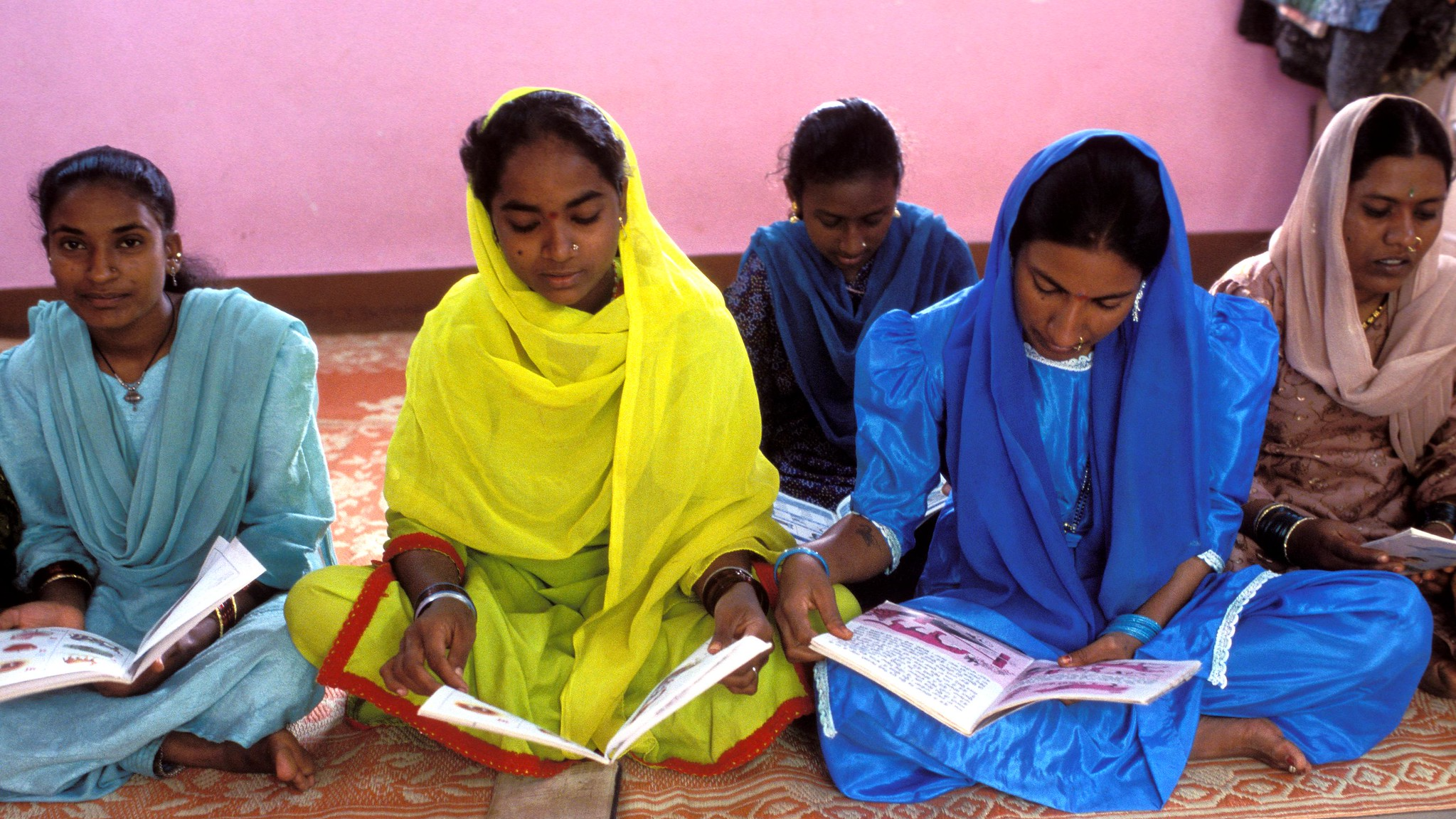
Meaningfully Engaging Youth: A Snapshot of the Asia Experience
On March 22, 2022, Knowledge SUCCESS hosted Meaningfully Engaging Youth: A Snapshot of the Asia Experience. The webinar highlighted experiences from four organizations in the Asia region working to co-create youth-friendly programs, ensure quality FP/RH services for youth, develop youth-friendly policies, and meet the FP/RH needs of youth at different levels of the health system. Did

Inside the FP Story’s Third Season Launches
The Inside the FP Story podcast explores the fundamentals of designing and implementing family planning programming. Season 3 is brought to you by Knowledge SUCCESS, Breakthrough ACTION, and the USAID Interagency Gender Working Group. It will explore how to approach gender integration in family planning programs—including reproductive empowerment, gender-based violence prevention and response, and male engagement.

Le Partenariat de Ouagadougou tient son deuxième dialogue régional des jeunes
Le Partenariat de Ouagadougou (PO) a tenu la deuxième édition de son dialogue régional des jeunes du 13 au 15 septembre 2021 à Abidjan. Sous le thème " Les jeunes agissent pour populariser des normes sociales favorables à la SRA ", le PO et ses partenaires ont produit des supports de communication adaptés pour faciliter l'accès
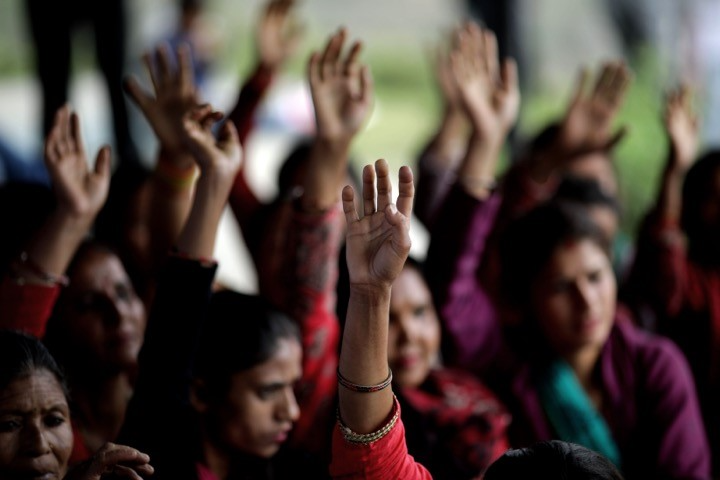
Family Planning Association Nepal Is Leaving No One Behind
Created in 1959, Family Planning Association Nepal (FPAN) is the country’s first national sexual and reproductive health service delivery and advocacy organization. Sixty-three years later, FPAN continues to ensure that family planning (FP) information and services are available and accessible to families—no matter their identity, ability, location, gender, or socioeconomic status.
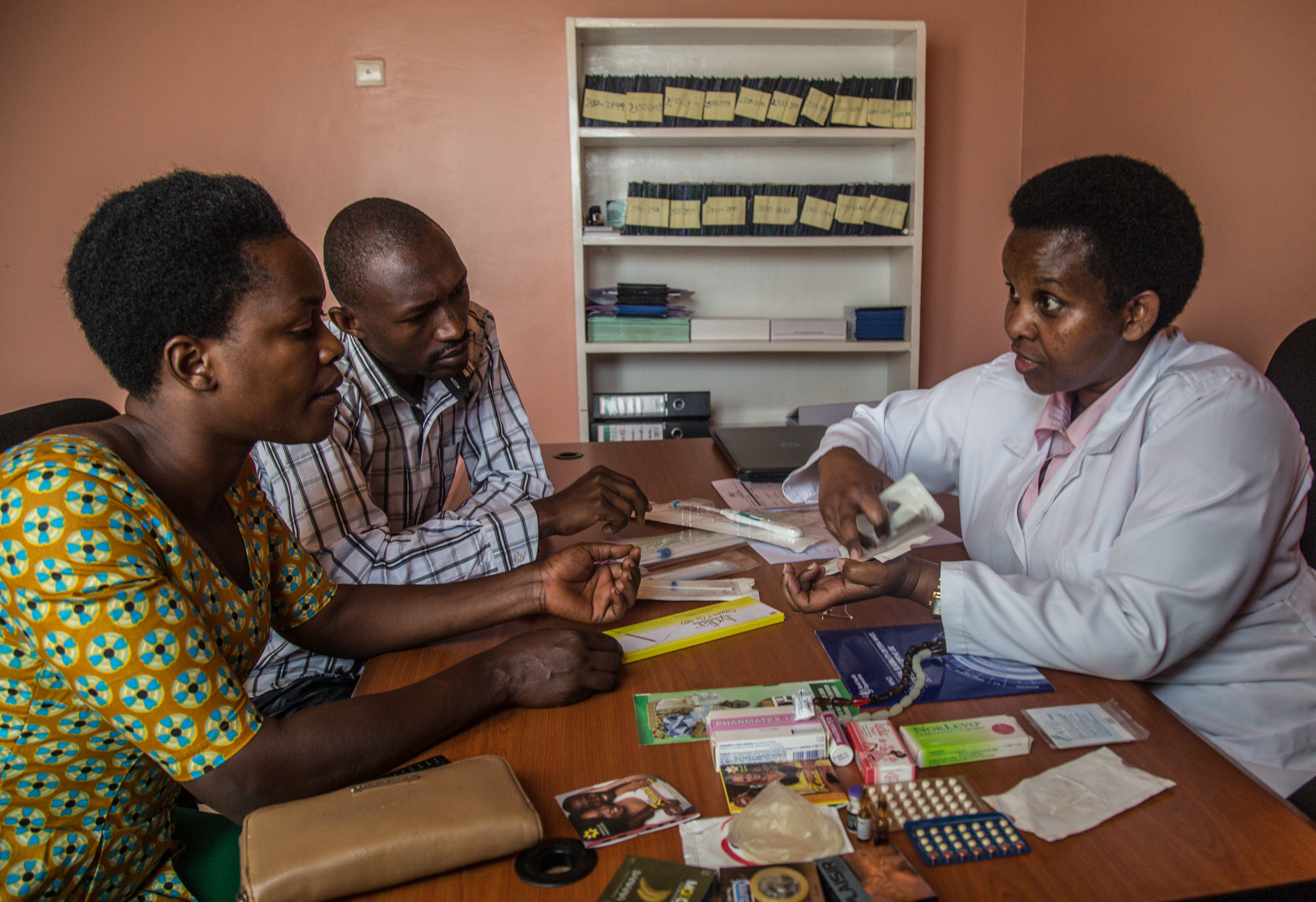
What Impact Do Gender and Power Have on FP Decision-Making?
Analyzing the impact of gender inequities on contraceptive decision-making experiences through the lens of a power framework can provide critical insights. These can give programs a better understanding of how to address barriers to women and girls’ access to and use of contraception.

Mental Health Wellness in GBV Prevention and Response
This blog provides an overview of the mental health effects of care work and GBV service provision on health providers, approaches to support self-care and improved health systems, and policy recommendations for the future.

Promoting Maternal Health Care Through Community Sensitization
The role of patriarchy in South Sudan was clear when Maper Village community chiefs and members resisted male midwives being deployed to Aweil Hospital's Maternity Ward. To combat the stigma, the South Sudan Nurses and Midwives Association (SSNAMA) piloted the “Safe Motherhood Campaign” for community engagement. They addressed misconceptions about maternal health care, helping to change
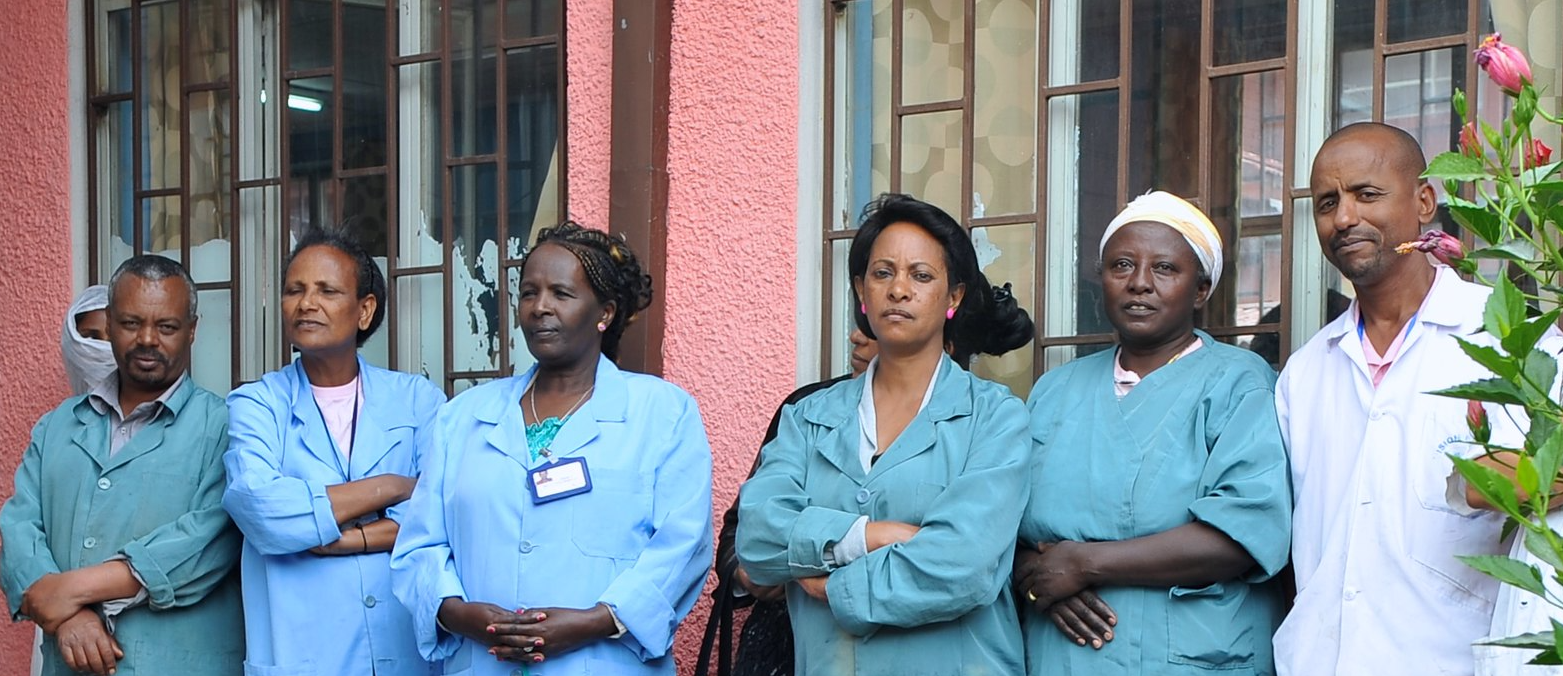
HIV and Contraceptive Service Integration for Female Sex Workers
Key populations, including female sex workers, face barriers to health care access that include stigma, criminalization, and gender-based violence. In many cases, these barriers can be mitigated by peer educators, who bring valuable insight and may engender trust with clients.

Ensuring Access to Menstrual Health Supplies
Earlier this year, the Reproductive Health Supplies Coalition (RHSC) and Mann Global Health published “Landscaping Supply Side Factors to Menstrual Health Access.” This post breaks down the key findings and recommendations in the report. It talks about ways that donors, governments, and others can ensure access to menstrual health supplies for all who need them.

Increasing the Impact of Reproductive Health Programs
This piece summarizes a recent study by the USAID-funded Passages Project exploring social norms impacting the reproductive health of adolescent girls and young women in Burundi. We explore how the research findings can be applied in the design of reproductive health programs to identify and involve key influence groups that influence social norms.