



Recap: Young People from Sexual and Gender Minorities
On August 5, 2021, Knowledge SUCCESS and FP2030 hosted the fourth session in the fourth module of the Connecting Conversations series: Celebrating the Diversity of Young People, Finding New Opportunities to Address Challenges, Building New Partnerships. This particular session focused on how to ensure that young people from sexual and gender minorities have their SRH needs
Very Young Adolescents: Leveraging a Key Life Stage to Improve SRH
A recap of the July 8 session of Knowledge SUCCESS and FP2030's Connecting Conversations series: "Celebrating the Diversity of Young People, Finding New Opportunities to Address Challenges, Building New Partnerships." This session focused on exploring how the experiences of young adolescents shape knowledge and behaviors as they age, and how to leverage the critical life stage

Context and Community: Developing a Sexual and Reproductive Health Program
Care 2 Communities (C2C) has developed a comprehensive sexual and reproductive health education program that is tailored to its community context in Haiti. This interview with C2C’s Managing Director Racha Yehia by Development Coordinator Amanda Fata highlights why and how C2C developed the program, and how it contributes to C2C’s vision.
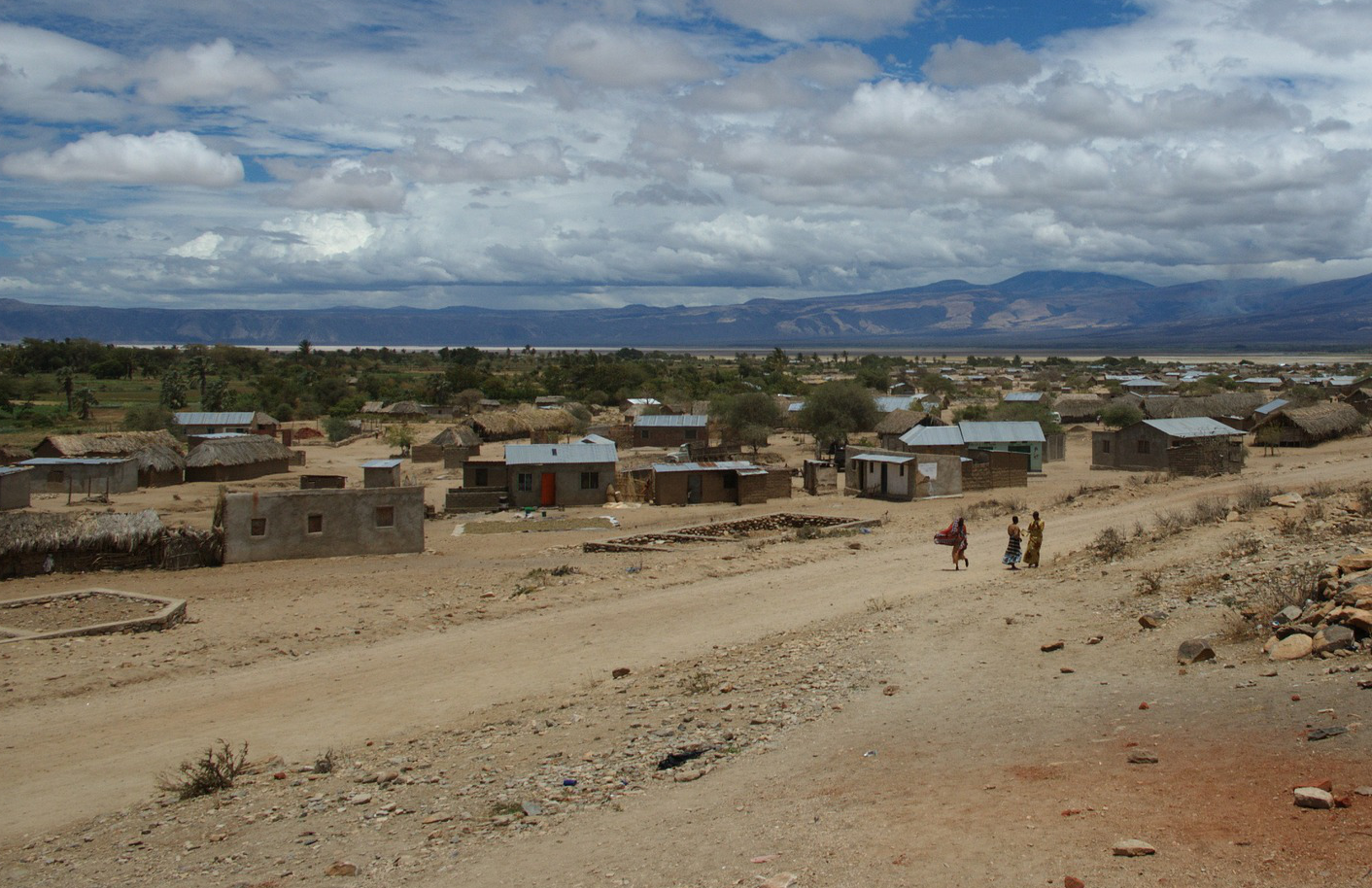
Improving Access to Reproductive and Maternal Health Services
The Uzazi Uzima Project's work to build the capacity of healthcare workers to provide high-quality services has improved access to reproductive, maternal, newborn, child, and adolescent health services—including family planning—in northern Tanzania's Simiyu Region.
Young People With Disabilities: Ensuring Inclusive Access to SRH Services
Webinar recap from the Connecting Conversations series: How the stigmatization of young people with disabilities impacts access to sexual and reproductive health (SRH) services, and what innovative program approaches and considerations can promote inclusion.
Sustaining Youth Contraceptive Use in West Africa
PACE convened a two-hour virtual policy dialogue on youth contraceptive discontinuation in West Africa on May 26, 2021. The event aimed to increase regional policymakers’ commitment to addressing the barriers to sustained contraceptive use among youth and forge collaboration opportunities for youth-led organizations, journalists, and young researchers.
How Does Gender Affect Knowledge Management?
Gender and gender dynamics affect knowledge management (KM) in complex ways. Knowledge SUCCESS's Gender Analysis revealed many challenges arising from the interplay between gender and KM. This post shares highlights from the Gender Analysis; offers recommendations for overcoming key obstacles and creating a more gender-equitable KM environment for global health programs, particularly in family planning and

Ensuring Youth Inclusion and Access to Family Planning Information
The Ouagadougou Partnership’s Youth Think Tank advocates for youth inclusion in family planning policy and works to ensure that adolescents and young people have access to reproductive health information and care. Knowledge SUCCESS recently spoke with Oury Kamissoko, Youth Lead from Mali and head of the Youth Think Tank’s dissemination subcommittee, about young people’s access to
Récapitulatif : Conception de Programmes pour les Besoins Divers des Jeunes
Le 18 mars, Knowledge SUCCESS & FP2030 a co-organisé la deuxième session de la troisième série de conversations de la série Connecting Conversations, Une solution unique ne convient pas à tous : les services de santé reproductive au sein du système de santé élargi doivent répondre aux divers besoins des jeunes. Cette session s'est concentrée sur
Recap: Implementing an Adolescent Responsive Approach
On April 8th, Knowledge SUCCESS & Family Planning 2030 (FP2030) hosted the third session in the third set of conversations in the Connecting Conversations series, “What does it look like to implement an adolescent responsive approach?” This session focused on the differences between implementing a systems-based approach versus disconnected approaches and what youth-led accountability strategies are