


Ensuring Continuity of Essential FP/RH Services During Emergencies
In November-December 2021, family planning and reproductive health (FP/RH) workforce members based in Asia convened virtually for the third Knowledge SUCCESS Learning Circles cohort. The cohort focused on the topic of ensuring continuity of essential FP/RH services during emergencies.
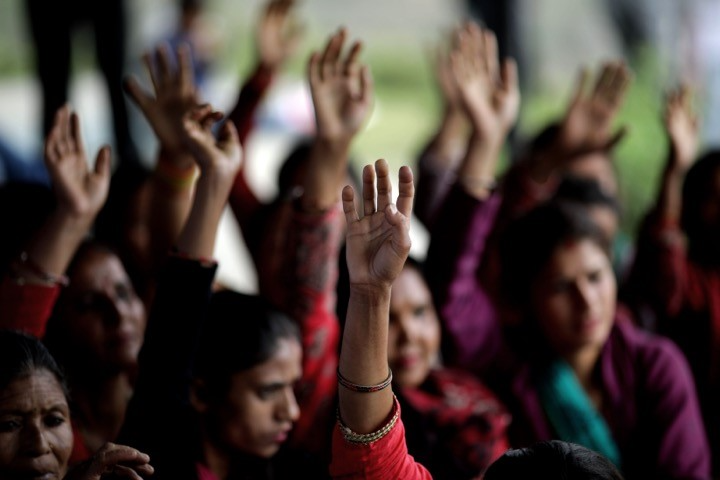
Family Planning Association Nepal Is Leaving No One Behind
Created in 1959, Family Planning Association Nepal (FPAN) is the country’s first national sexual and reproductive health service delivery and advocacy organization. Sixty-three years later, FPAN continues to ensure that family planning (FP) information and services are available and accessible to families—no matter their identity, ability, location, gender, or socioeconomic status.

Making Gloves, Forceps, and Other Supplies More Than an Afterthought
Massive improvements in our family planning (FP) supply chains in recent years have generated an expanded and more reliable method choice for women and girls around the world. But while we celebrate such success, one nagging issue that warrants attention is the corresponding equipment and consumable supplies, like gloves and forceps, necessary to administer these contraceptives:

Introducing Connecting the Dots Between COVID-19 and Family Planning
Connecting the Dots Between Evidence and Experience combines the latest evidence with implementation experiences to help technical advisors and program managers understand emerging trends in family planning and inform adaptations to their own programs. The inaugural edition focuses on the impact of COVID-19 on family planning in Africa and Asia.

Improving Contraceptive Use in Young First-time Parents
With India’s adolescent and youth population on the rise, the country’s government has sought to address this group’s unique challenges. India’s Ministry of Health & Family Welfare created the Rashtriya Kishor Swasthya Karyakram (RKSK) program to respond to the critical need for adolescent reproductive and sexual health services. Focusing on young first-time parents, the program employed
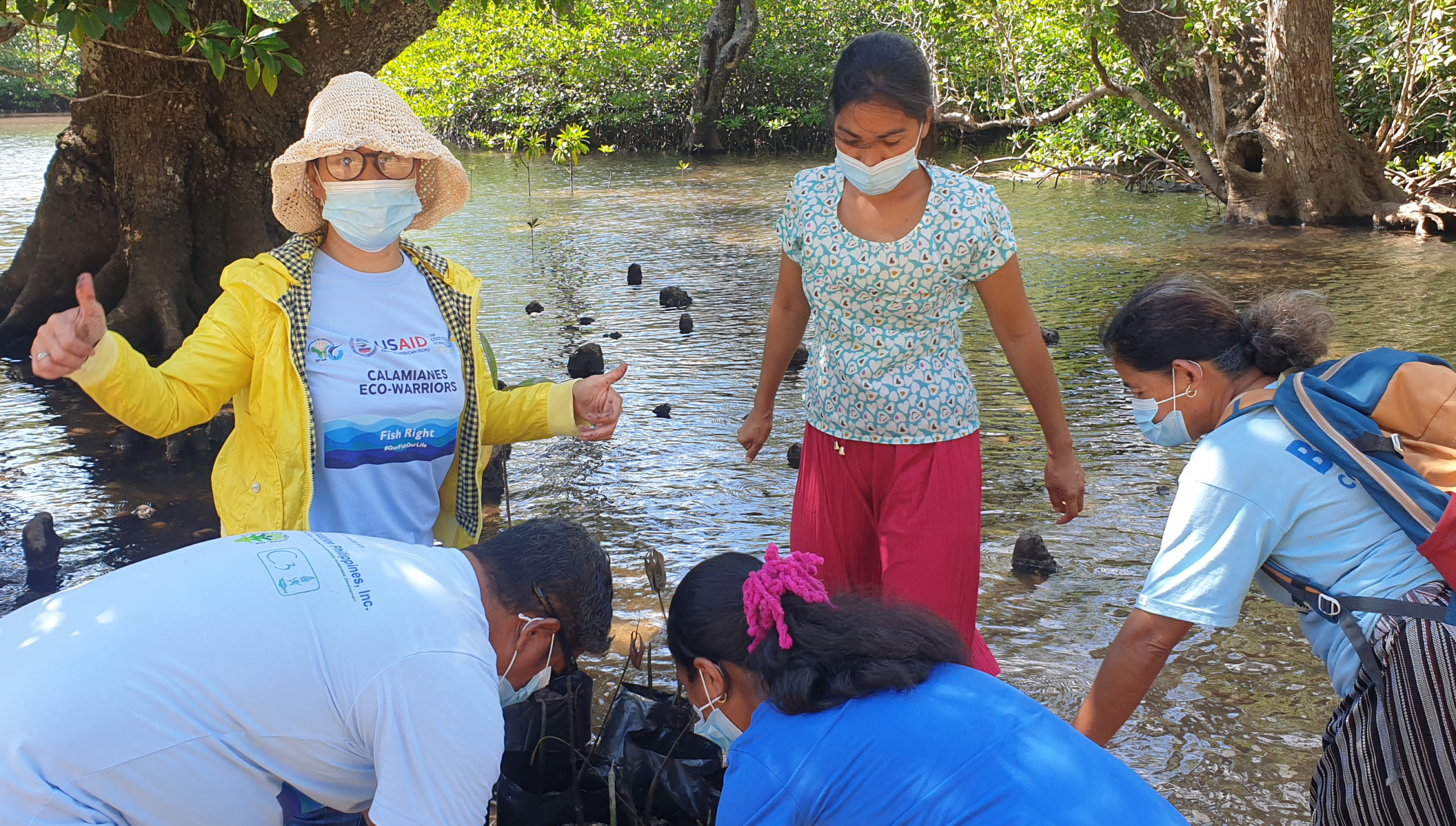
Twin-Bakhaw: Connecting SRH to a Community’s Ecosystem — Part 1
The Twin-Bakhaw project advocates for gender equity via sexual and reproductive health services among indigenous populations. Each newborn will have a “twin” mangrove seedling, which the newborn’s family must plant and nurture until it is fully grown. The project exemplifies the importance of family planning and reproductive health interventions in long-term environmental protection measures. This is
Twin-Bakhaw: Connecting SRH to a Community’s Ecosystem — Part 2
The Twin-Bakhaw project advocates for gender equity via sexual and reproductive health services among indigenous populations. Each newborn will have a “twin” mangrove seedling, which the newborn’s family must plant and nurture until it is fully grown. The project exemplifies the importance of family planning and reproductive health interventions in long-term environmental protection measures. This is
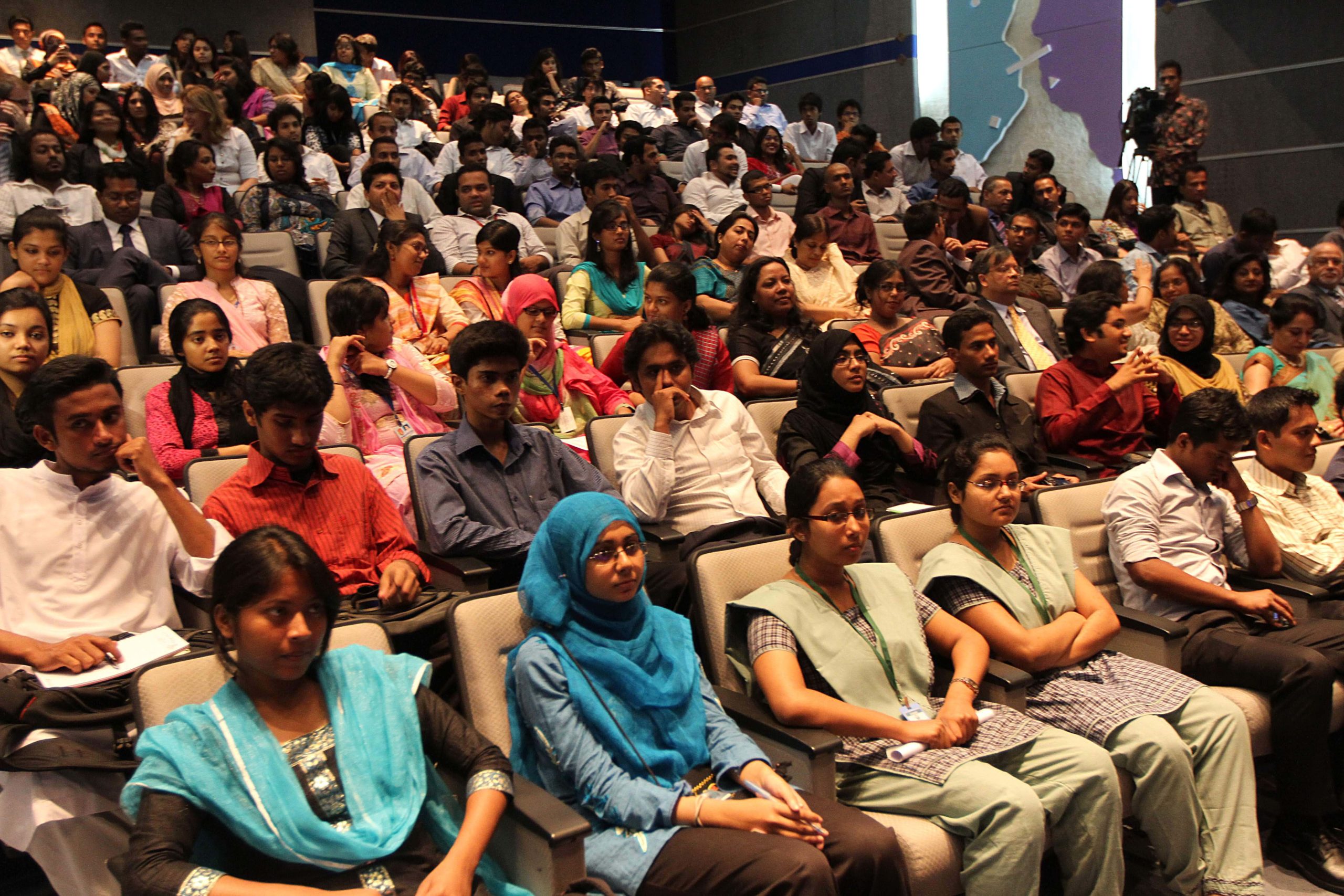
Knowledge SUCCESS Resources Gain Traction in Asia-Pacific
Over the last several years, Knowledge SUCCESS’s resources have gained traction in the Asia-Pacific region. These USAID family planning priority countries have shown progress and commitment to improving family planning services. However, persistent challenges remain.

The Pitch Announces Knowledge Innovation Winners
Knowledge SUCCESS last week announced four winners from a field of 80 contestants in "The Pitch," a global competition to find and fund creative knowledge management ideas for family planning.

Récapitulatif: Mise en œuvre d’une approche adaptée aux adolescents
Le 8 avril, Knowledge SUCCESS & FP2030 ont organisé la troisième session de la troisième série de conversations de la série Connecting Conversations, “ À quoi ressemble la mise en œuvre d'une approche adaptée aux adolescents ?” Cette session s'est concentrée sur les différences entre la mise en œuvre d'une approche systémique par rapport aux approches