


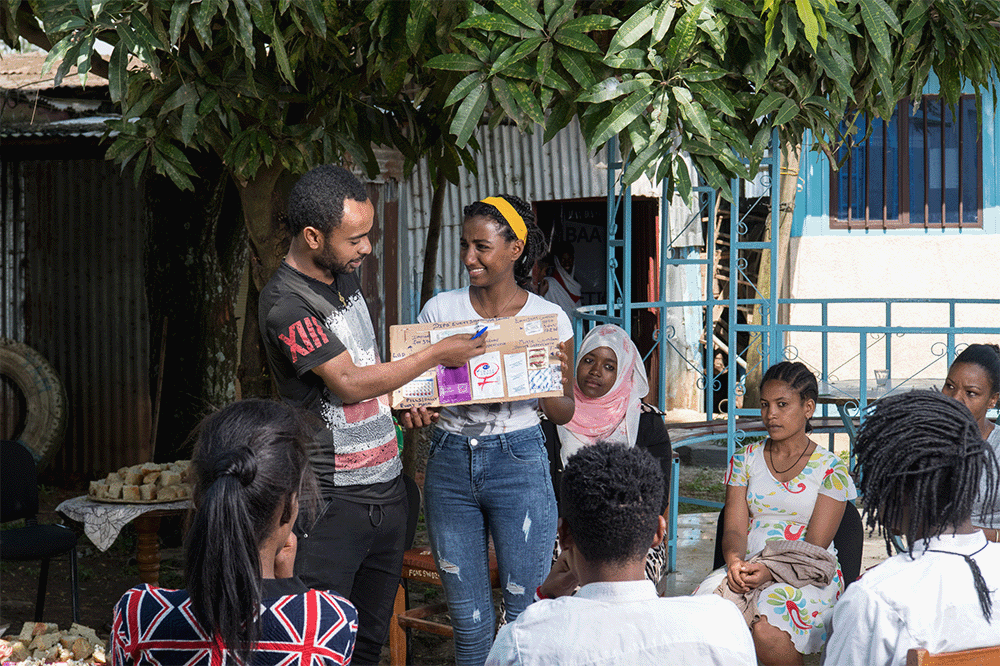
Take the Quiz! Increasing Adolescent-Competency in Service Providers
The quiz highlights adolescent-related competencies, educational resources, and references that are tailored to program empowerment goals.

FP/RH Champion Spotlight: Strong Enough Girls’ Empowerment Initiative (SEGEI)
SEGEI empowers adolescents and young women through education, mentorship, and comprehensive sexuality education. Its three main goals are to ignite—help its beneficiaries find and use their voices and talents to become their own advocates, nurture—SEGEI helps beneficiaries with academic, health, and professional attainment, and harness—tap into the talents of beneficiaries to promote community empowerment.

FP/RH Champion Spotlight: Likhaan Center for Women’s Health Inc.
Likhaan is a non-government, nonprofit organization established in 1995 to respond to the sexual and reproductive health needs of women experiencing poverty. It runs community-based health programs anchored on three strategies: community education and mobilization; provision of primary, integrated sexual, and reproductive health (SRH) care; and advocacy for rights-based and equitable health policies.
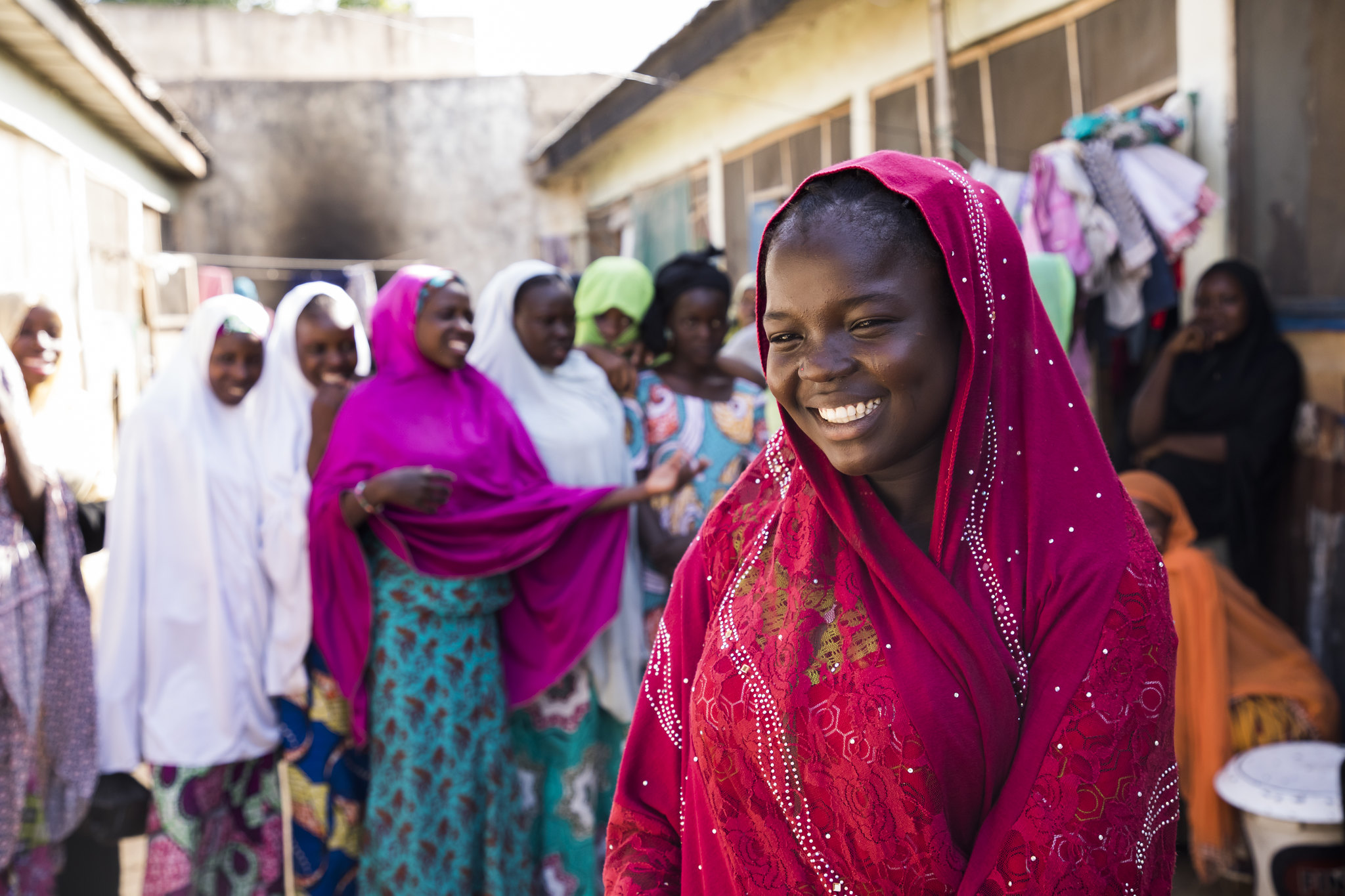
Social and Behavior Change for Family Planning Collection—Now Live!
Breakthrough ACTION + RESEARCH has launched a new resource collection and accompanying catalog. They showcase more than one hundred social and behavior change (SBC) for family planning (FP) resources for planners, designers, implementers, donors, and other users to inform innovative, evidence-based, and impactful interventions.

Recap: Responding to the SRHR Needs of Indigenous Women and Girls
Earlier this year, Communities, Alliances & Networks (CAAN) and The World Health Organization’s (WHO) IBP Network partnered on a series of seven webinars on advancing the SRHR of Indigenous women living with HIV. Each webinar featured rich discussions, highlighting national plans and the status of Indigenous women living with HIV and other sexually transmitted infections in each country.
In Uganda, a New Approach to Ending Sexual and Gender Based Violence: Training Men
Women continue to experience various forms of violence across Uganda, can training men help to shatter cultural perceptions of gender and correspondingly work to prevent gender based violence?
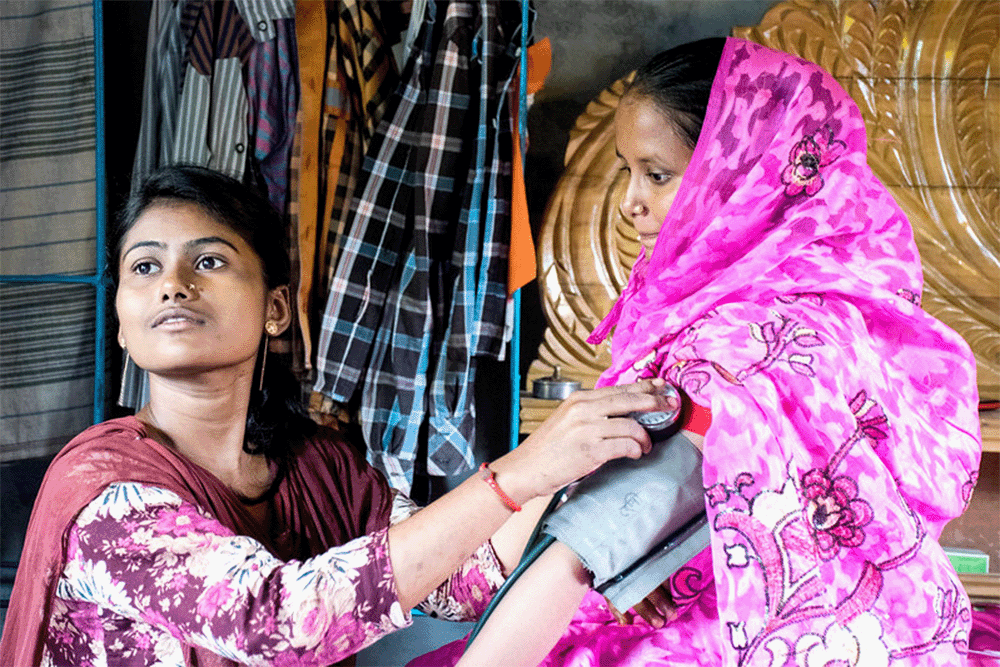
Premarital Family Planning and Reproductive Health Counseling in Bangladesh
Bangladesh has the highest rate of child marriage in Asia. Early marriage leads to a poorer quality of life for girls. It is detrimental to their agency and ability to obtain or continue education. So, in order to improve young couples’ quality of life and encourage them to make informed decisions, the Bangladesh Center for Communication

Inside the FP Story’s Third Season Launches
The Inside the FP Story podcast explores the fundamentals of designing and implementing family planning programming. Season 3 is brought to you by Knowledge SUCCESS, Breakthrough ACTION, and the USAID Interagency Gender Working Group. It will explore how to approach gender integration in family planning programs—including reproductive empowerment, gender-based violence prevention and response, and male engagement.
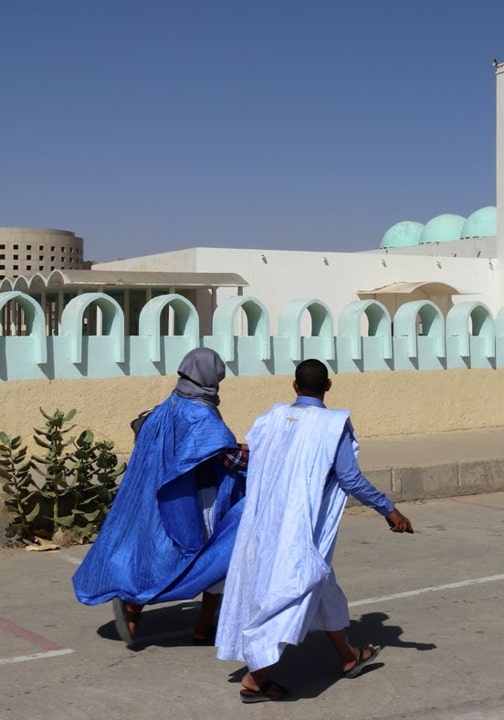
Religious Leaders: Allies for the Well-Being of Youth and Women
This webinar highlighted the role of religious leaders as important allies in promoting positive social norms for the reproductive health and well-being of young people and women, as well as the importance of partnerships and coalitions in building transformative community dialogue for positive change. It was jointly organized by the Passages Project (Institute for Reproductive Health,
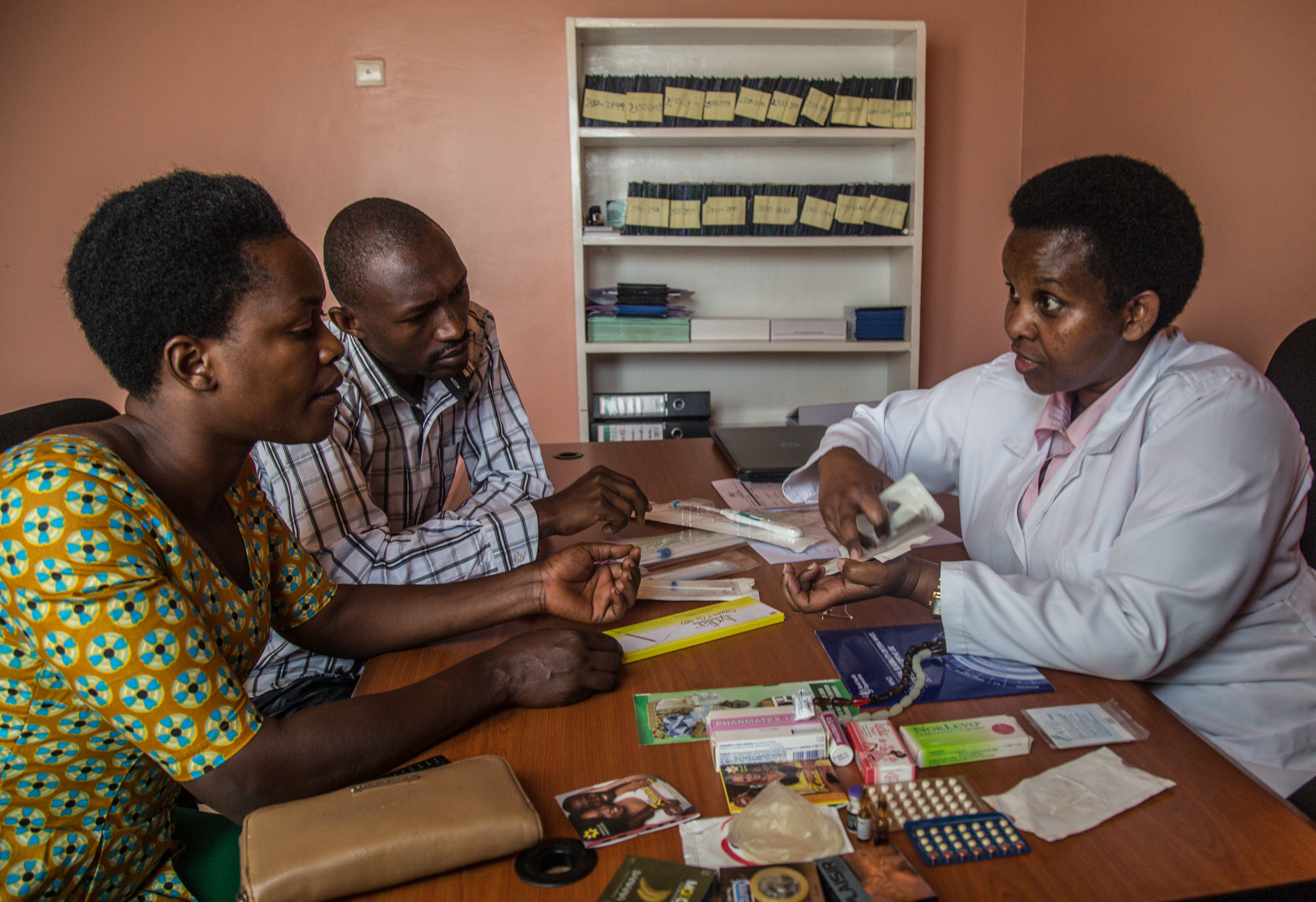
What Impact Do Gender and Power Have on FP Decision-Making?
Analyzing the impact of gender inequities on contraceptive decision-making experiences through the lens of a power framework can provide critical insights. These can give programs a better understanding of how to address barriers to women and girls’ access to and use of contraception.