


Mental Health Wellness in GBV Prevention and Response
This blog provides an overview of the mental health effects of care work and GBV service provision on health providers, approaches to support self-care and improved health systems, and policy recommendations for the future.

Promoting Maternal Health Care Through Community Sensitization
The role of patriarchy in South Sudan was clear when Maper Village community chiefs and members resisted male midwives being deployed to Aweil Hospital's Maternity Ward. To combat the stigma, the South Sudan Nurses and Midwives Association (SSNAMA) piloted the “Safe Motherhood Campaign” for community engagement. They addressed misconceptions about maternal health care, helping to change
HIV and Contraceptive Service Integration for Female Sex Workers
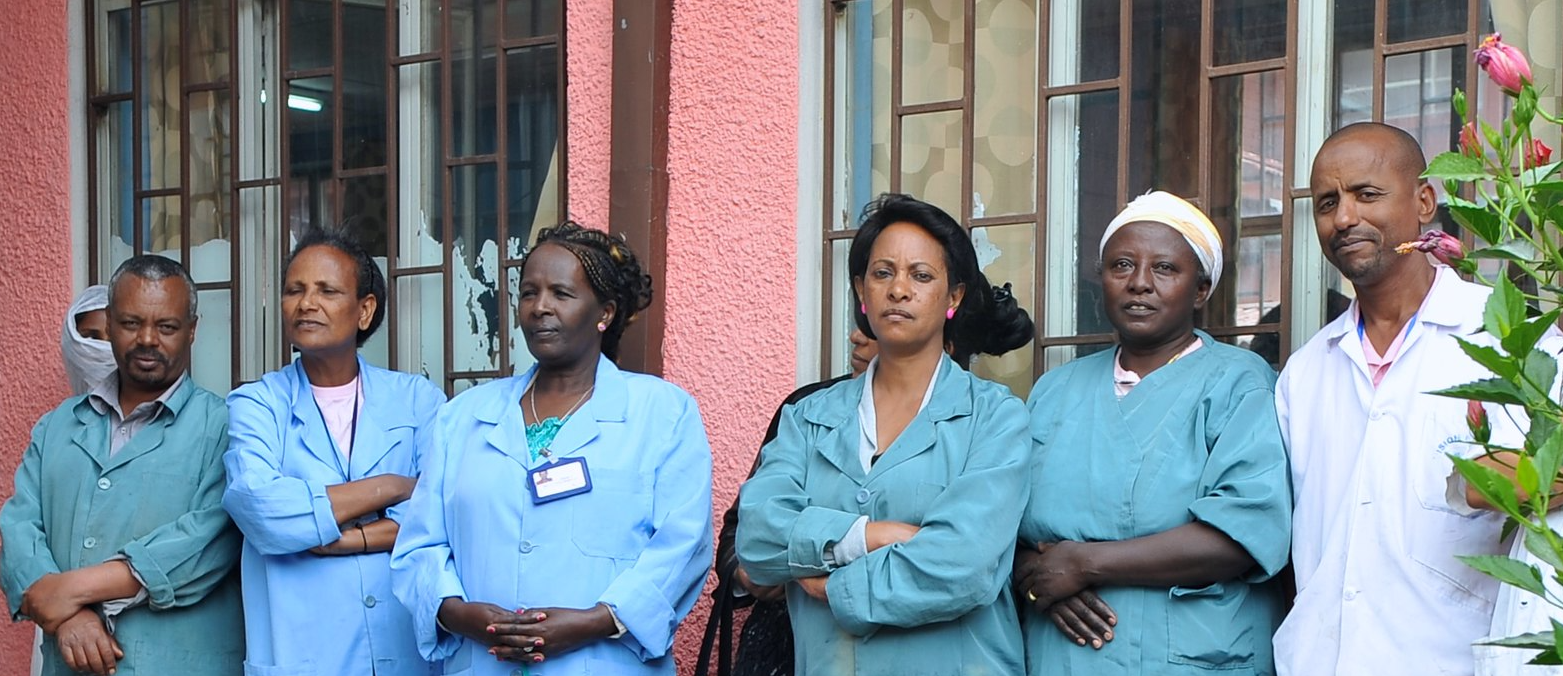
Key populations, including female sex workers, face barriers to health care access that include stigma, criminalization, and gender-based violence. In many cases, these barriers can be mitigated by peer educators, who bring valuable insight and may engender trust with clients.

Ensuring Access to Menstrual Health Supplies
Earlier this year, the Reproductive Health Supplies Coalition (RHSC) and Mann Global Health published “Landscaping Supply Side Factors to Menstrual Health Access.” This post breaks down the key findings and recommendations in the report. It talks about ways that donors, governments, and others can ensure access to menstrual health supplies for all who need them.

Increasing the Impact of Reproductive Health Programs
This piece summarizes a recent study by the USAID-funded Passages Project exploring social norms impacting the reproductive health of adolescent girls and young women in Burundi. We explore how the research findings can be applied in the design of reproductive health programs to identify and involve key influence groups that influence social norms.

Increasing the Impact of Reproductive Health Programs
This piece summarizes a recent study by the USAID-funded Passages Project exploring social norms impacting the reproductive health of adolescent girls and young women in Burundi. We explore how the research findings can be applied in the design of reproductive health programs to identify and involve key influence groups that influence social norms.

The Growing Impact of the Digital Gender Gap
The race to adapt to COVID-19 has resulted in a shift to virtual formats for health care training and service provision. This has amplified reliance on digital technologies. What does this mean for women seeking services but lacking the knowledge of and access to these technologies?

And Another Thing: Week of December 13, 2021
With so many useful tools, resources, or newsworthy items to choose from, maybe you’d like to know more about what’s available? We’re testing a new product called And Another Thing, a list of more resource choices that are useful, relevant, and timely to anyone working in FP/RH.

Leaders religieux : Alliés pour le bien-être des Jeunes et des Femmes
Ce webinaire a mis en évidence le rôle des chefs religieux en tant qu'alliés importants dans la promotion de normes sociales positives pour l'engagement communautaire dans la santé et le bien-être reproductifs des jeunes et des femmes, ainsi que l'importance des partenariats et des coalitions dans la construction d'un dialogue communautaire transformateur pour apporter un changement
AYSRH in Uganda During the COVID-19 Pandemic
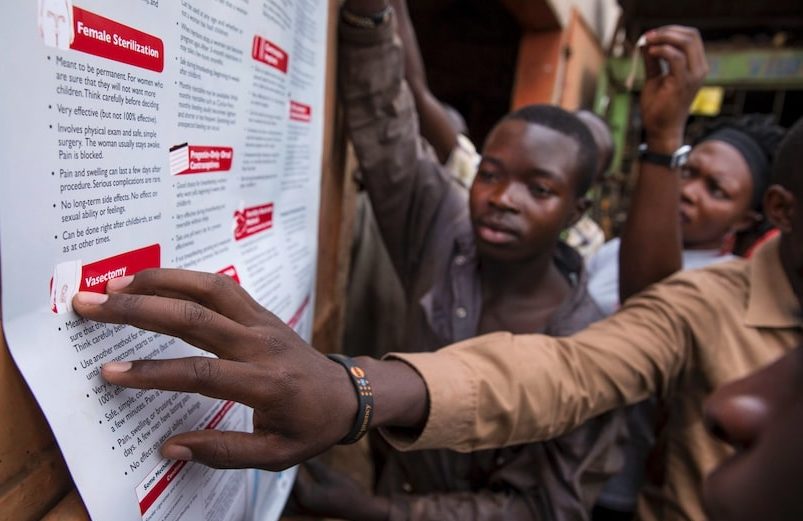
The COVID-19 pandemic has disordered the livelihoods of adolescents and young people across Uganda’s communities in many ways. With the first COVID-19 wave in March 2020 came the adoption of containment measures, such as the closure of schools, movement restrictions, and self-isolation. As a result, the health and well-being of young people, especially adolescent and youth