


A Practical Guide for Service Delivery During a Pandemic
Jhpiego's guide synthesizes global recommendations, current best evidence and critical resources and is organized to provide specific guidance by technical area (e.g., family planning/sexual and reproductive health, malaria, tuberculosis).

COVID-19: What Will the World Look Like Nine Months On?
COVID-19 has upended our lives and, possibly more significantly, many of our assumptions about its impact on the world. Experts in family planning are deeply concerned that interruptions in the contraceptive supply chain may result in a spike in unplanned births over the next six to nine months. And, if that proves to be true, what

Engaging Drug Shops: Critical to Increasing Family Planning Access
Donors and a small group of implementing partners are working to understand how to best support and involve drug shops as safe and reliable family planning providers. Expanding the broader community of family planning professionals’ understanding of the drug shop operators’ impact is going to be important for ensuring a supportive policy and programmatic environment for

Opening Doors: Mentoring for Effective Advocacy
Young leaders can be a powerful force for change, and they can be even more effective when they have access to seasoned allies. USAID's Health Policy Plus (HP+) shares insights from an intergenerational mentoring program in Malawi. Young leaders receive the support they need to engage village, district, and national stakeholders to deliver on the promises

What’s the Potential for Drug Shops to Improve Access to Injectables?
Injectables are the most popular family planning method in Uganda but, until recently, were offered only by community health workers and at health facilities and hospitals. In contrast, the country’s 10,000 drug shops, which provide greater access in hard-to-reach rural areas, were authorized to supply only short-acting, nonprescription methods. FHI 360 supported the government of Uganda

Engaging Men as Partners in Family Planning
Studies have shown that men are highly influential in couples’ decisions about family planning (FP) and that their engagement in FP and other health services can be beneficial to their partners, their children, and themselves. However, in many countries, deeply embedded ideas about appropriate gender roles, as well as myths and misconceptions about FP, create barriers
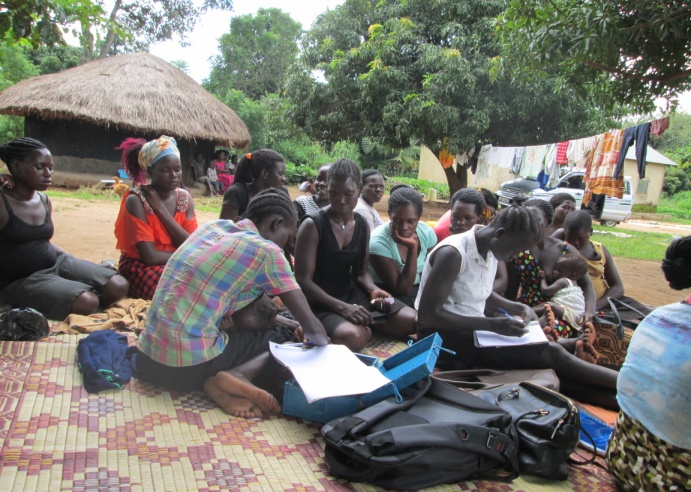
Mentoring Equips Girls and Young Women with the Knowledge, Skills, and Support to Overcome Challenges
Worldwide, girls and young women face a wide array of challenges to their health and well-being. Research on the impact of mentoring demonstrates the importance of positive role models and social support systems for improving health knowledge and outcomes. Our colleagues at FHI 360 share how they developed and implemented a multicomponent mentoring program Anyaka Makwiri

Are We Staying True to Our Commitments to Young People?
In October 2018, more than 100 organizations signed on to the Global Consensus on Meaningful Adolescent and Youth Engagement (MAYE). The question remains: what has been the impact of MAYE? We asked a few young leaders in the family planning movement to share their views.
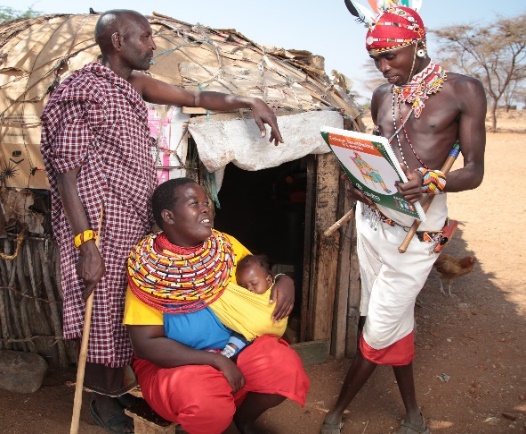
Integrating Family Planning and Reproductive Health Programs:
This piece summarizes the experience of integrating family planning and reproductive health (FP/RH) in the AFYA TIMIZA program, implemented by Amref Health Africa in Kenya. It provides insights to technical advisors and program managers that there is no one-size-fits-all approach in FP/RH service provision, access, and utilization: context is a critical factor in design and implementation.

How Should We Measure Contraceptive Use Among Unmarried Women
This article features key insights from one of the authors of a recent study, which examined standardizing measurement of contraceptive use among unmarried women. The study found that sexual recency (the last time women report being sexually active) is an important indicator to determine unmet need and contraceptive prevalence among unmarried women, but not among married