


How Should We Measure Contraceptive Use Among Unmarried Women
This article features key insights from one of the authors of a recent study, which examined standardizing measurement of contraceptive use among unmarried women. The study found that sexual recency (the last time women report being sexually active) is an important indicator to determine unmet need and contraceptive prevalence among unmarried women, but not among married

20 Essential Resources on Social Norms and Family Planning
Our inaugural 20 Essential Resources collection, curated with USAID's Passages Project, pulls together what you need to know to understand and measure social norms and social norms-shifting interventions and incorporate it into your work.

The Open Birth Interval Tells a Story
The open birth interval reveals a pattern that varies by a woman’s age, the number of living children she has, her residence, and her socioeconomic level. More importantly, the open interval could reveal a lot about her reproductive behavior, status, and contraceptive needs.

Monitoring COVID-19’s Effects on Family Planning: What Should We Measure?
On the supply side, we may be able to monitor availability of family counselors and contraceptives to meet needs during the COVID-19 pandemic. But what of the demand side? How can we monitor shifts in women’s family planning needs and preferences in light of the social and economic shocks they are facing due to the pandemic?

Accélération de l’offre de l’auto-prise en charge au temps de COVID-19 : Ce que cela signifie pour aujourd’hui et pour l’avenir.
Comment les mesures d'auto-prise en charge peuvent-elles mieux nous équiper pour lutter contre la pandémie de COVID-19 ? Les contributeurs invités de PSI et Jhpiego offrent un aperçu et des conseils.
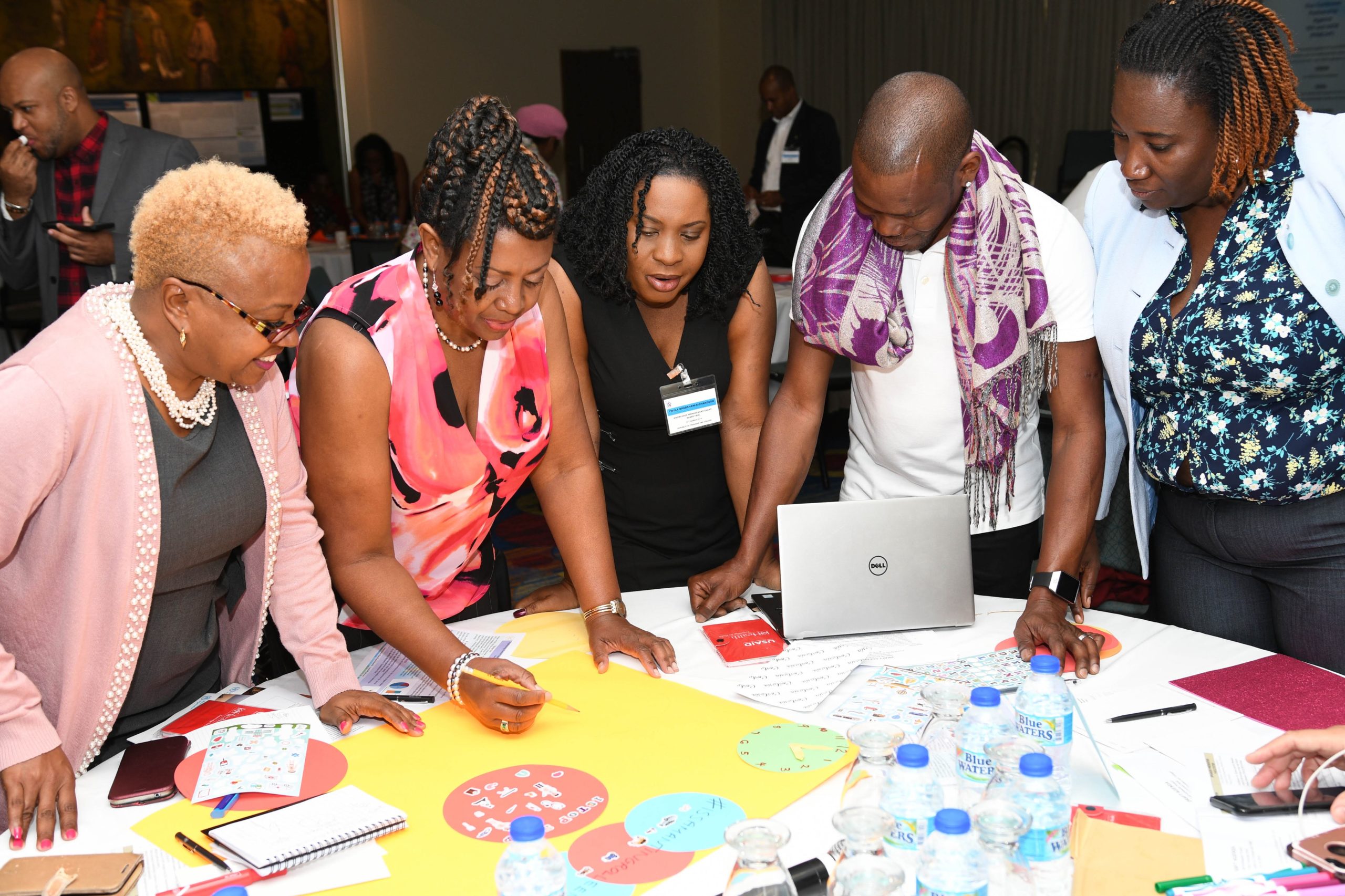
Designing Solutions to Get Evidence and Best Practices Into Family Planning Programs
In this Q&A, our Knowledge Solutions Team Lead breaks down how Knowledge SUCCESS is putting people front and center to design solutions that work best for the family planning and reproductive health community.
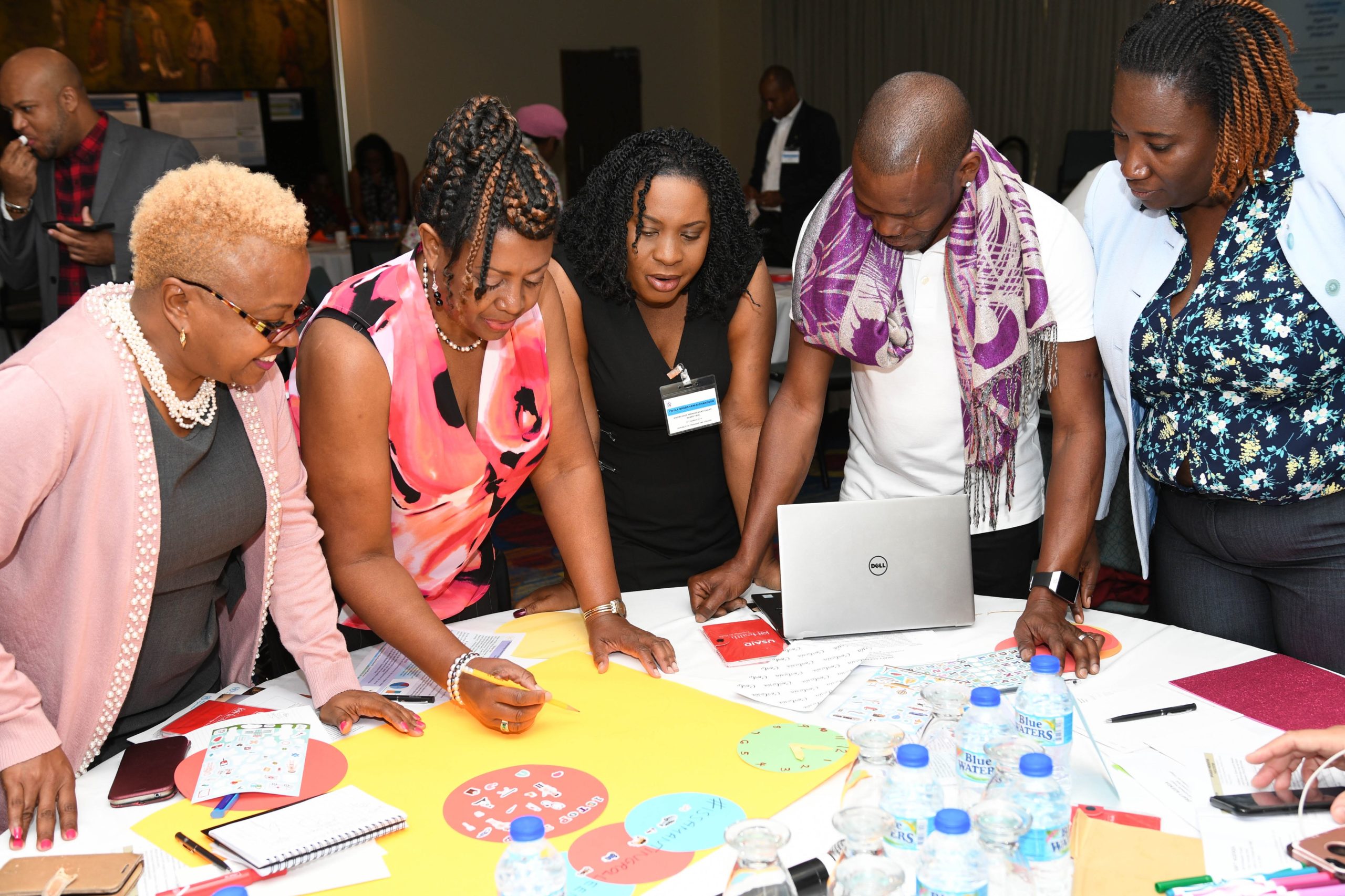
Designing Solutions to Get Evidence and Best Practices Into Family Planning Programs
In this Q&A, our Knowledge Solutions Team Lead breaks down how Knowledge SUCCESS is putting people front and center to design solutions that work best for the family planning and reproductive health community.
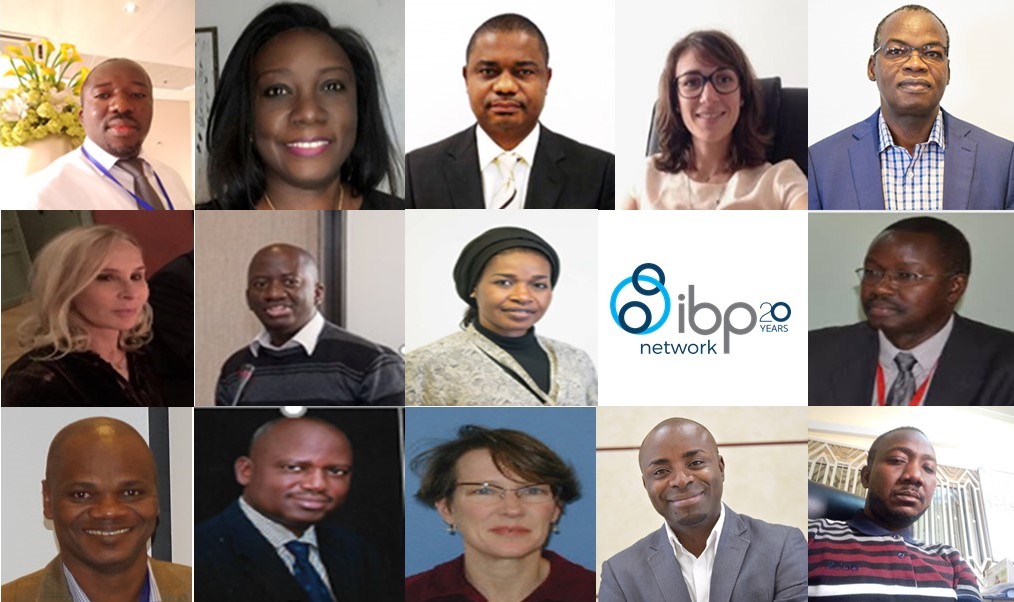
Going Virtual: Tips for Hosting an Effective Virtual Meeting
More and more of us find ourselves working remotely and connecting online rather than (or in addition to) face-to-face. Our colleagues at the IBP Network share how they successfully convened their regional meeting virtually when the COVID-19 pandemic changed their plans.
Contraception in the Era of COVID-19
How is the COVID-19 global pandemic affecting family planning and reproductive health services? We spoke with authors of a recent GHSP article, which outlines how health care providers can adhere to social distancing guidelines while adapting services to meet clients’ needs.
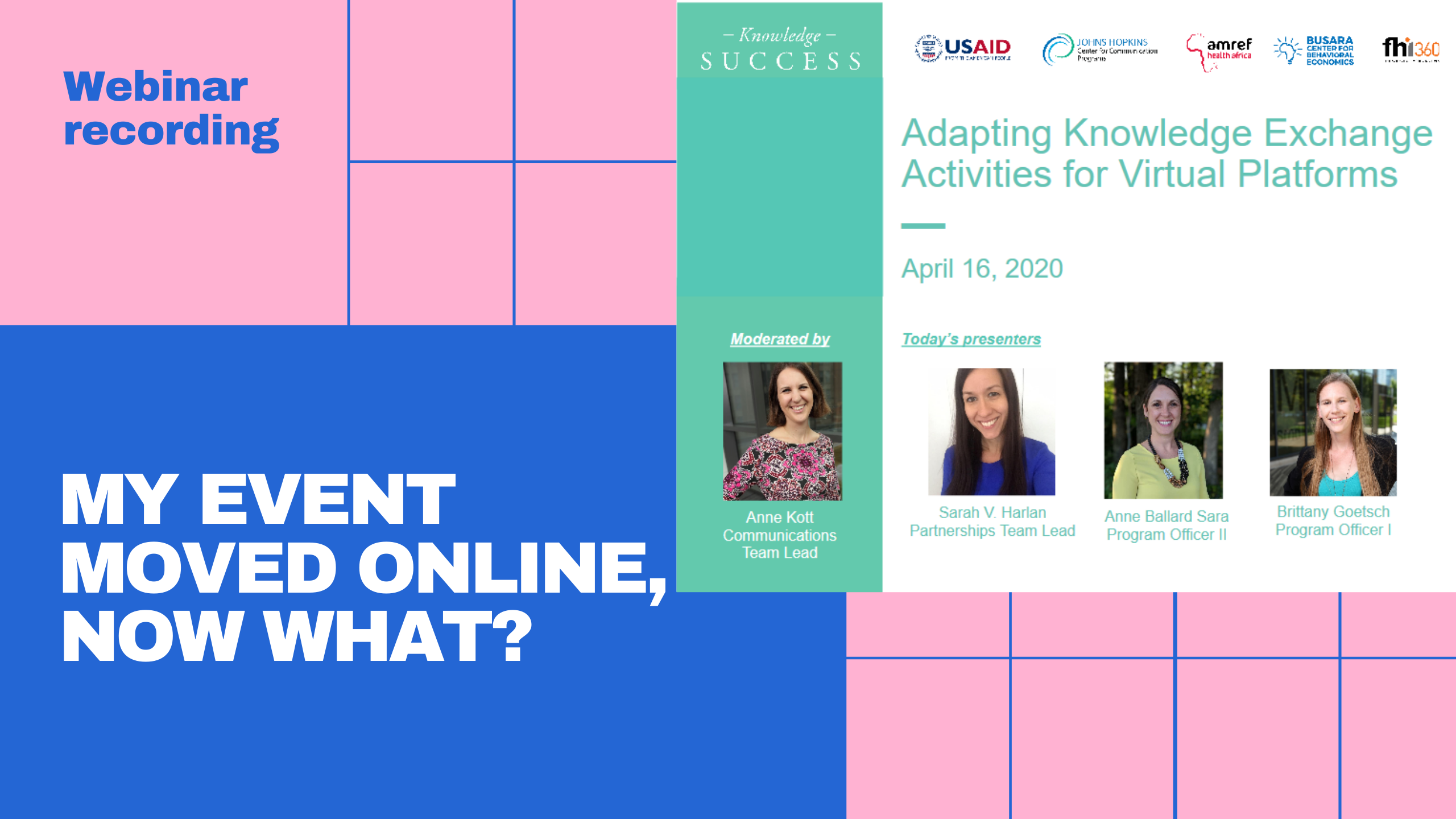
My Event Moved Online, Now What?
Are you suddenly moving an event or working group meeting to a virtual platform? We share tips on how to adapt a participatory agenda for the online space.