



FP/RH Champion Spotlight: Strong Enough Girls’ Empowerment Initiative (SEGEI)
SEGEI empowers adolescents and young women through education, mentorship, and comprehensive sexuality education. Its three main goals are to ignite—help its beneficiaries find and use their voices and talents to become their own advocates, nurture—SEGEI helps beneficiaries with academic, health, and professional attainment, and harness—tap into the talents of beneficiaries to promote community empowerment.

“The Collections—That’s Where the Magic Is”
In June 2021, Knowledge SUCCESS launched FP insight, the first resource discovery and curation tool built by and for the family planning and reproductive health (FP/RH) workforce. The platform addresses common knowledge management concerns expressed by those working in FP/RH. It allows users to curate collections of resources on FP/RH topics so they can easily return

FP/RH Champion Spotlight: Likhaan Center for Women’s Health Inc.
Likhaan is a non-government, nonprofit organization established in 1995 to respond to the sexual and reproductive health needs of women experiencing poverty. It runs community-based health programs anchored on three strategies: community education and mobilization; provision of primary, integrated sexual, and reproductive health (SRH) care; and advocacy for rights-based and equitable health policies.
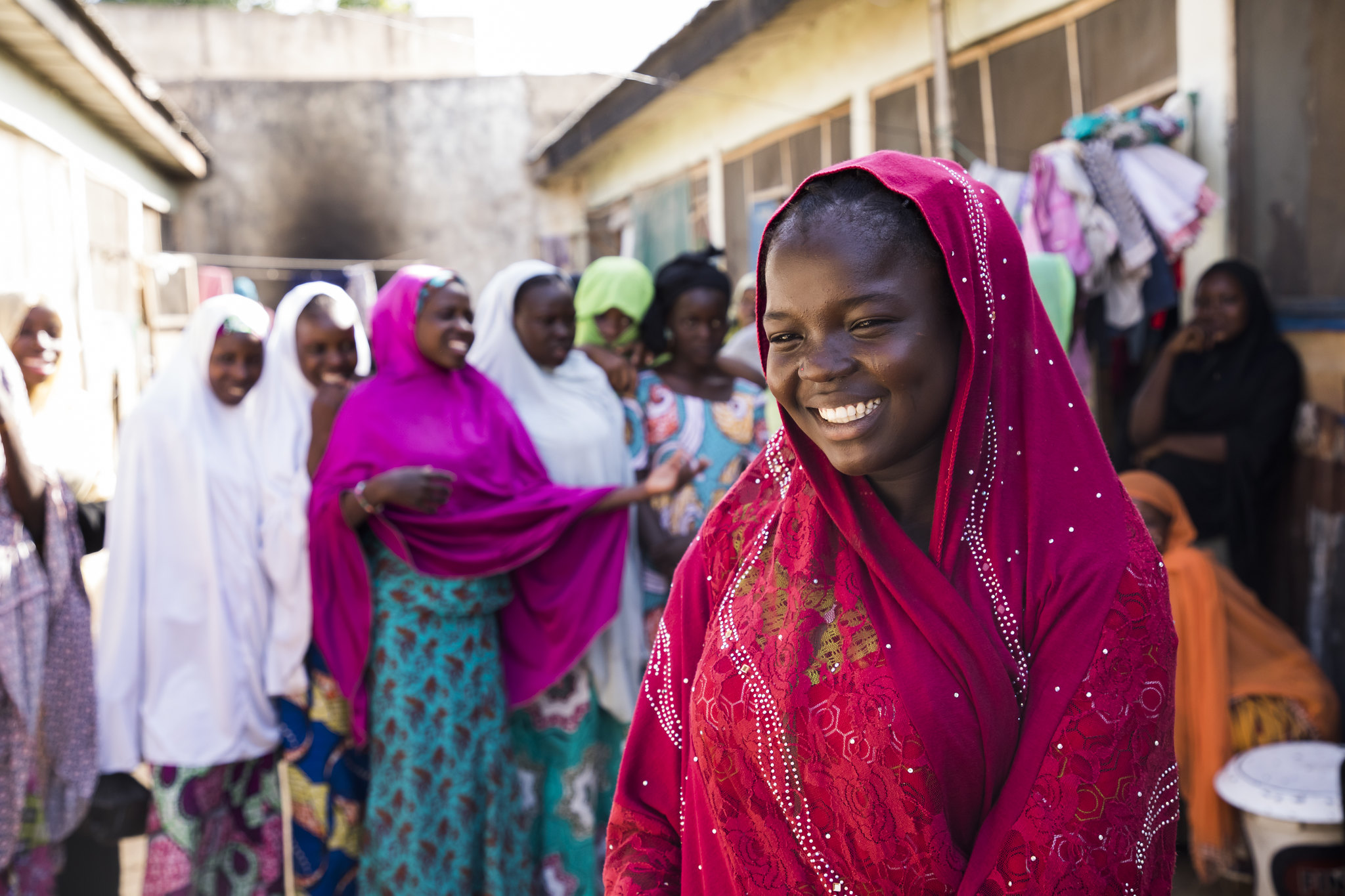
Social and Behavior Change for Family Planning Collection—Now Live!
Breakthrough ACTION + RESEARCH has launched a new resource collection and accompanying catalog. They showcase more than one hundred social and behavior change (SBC) for family planning (FP) resources for planners, designers, implementers, donors, and other users to inform innovative, evidence-based, and impactful interventions.

Creating an Innovative CoP
In August 2020, Knowledge SUCCESS embarked on a strategic initiative. Responding to knowledge-sharing needs expressed by adolescent and youth sexual and reproductive health (AYSRH) professionals, it established a robust global Community of Practice (CoP). It worked collaboratively with a group of AYSRH professionals to create the NextGen Reproductive Health (NextGen RH) CoP.

Recap: Responding to the SRHR Needs of Indigenous Women and Girls
Earlier this year, Communities, Alliances & Networks (CAAN) and The World Health Organization’s (WHO) IBP Network partnered on a series of seven webinars on advancing the SRHR of Indigenous women living with HIV. Each webinar featured rich discussions, highlighting national plans and the status of Indigenous women living with HIV and other sexually transmitted infections in each country.
FP/RH Champion Spotlight: South-East Asia Youth Health Action Network (SYAN)
The South-East Asia Youth Health Action Network, or SYAN, is a WHO-SEARO-supported network that creates and strengthens the capacity of adolescent and youth groups in southeast Asian countries for effective advocacy and engagement in national adolescent health programs as well as regional and global policy dialogue platforms.

Expanding Access to Integrated Health Services for Underserved Populations
Parkers Mobile Clinic (PMC360) is a Nigerian non-profit organization. It brings integrated health care services, including reproductive health services, to the doorsteps of people in rural and remote areas. In this interview, Dr. Charles Umeh, the founder of Parkers Mobile Clinic, highlights the organization’s focus—tackling health inequality and overpopulation to improve population, health, and environmental outcomes.

Tips for Hosting a Hybrid Online and In-Person Meeting
In March of 2020 many professionals increasingly turned to virtual solutions to meet with colleagues, due to the COVID-19 pandemic. As this was a new shift for most of us, the WHO/IBP Network published Going Virtual: Tips for Hosting an Effective Virtual Meeting. While the COVID-19 pandemic showed us the power and importance of virtual meetings to
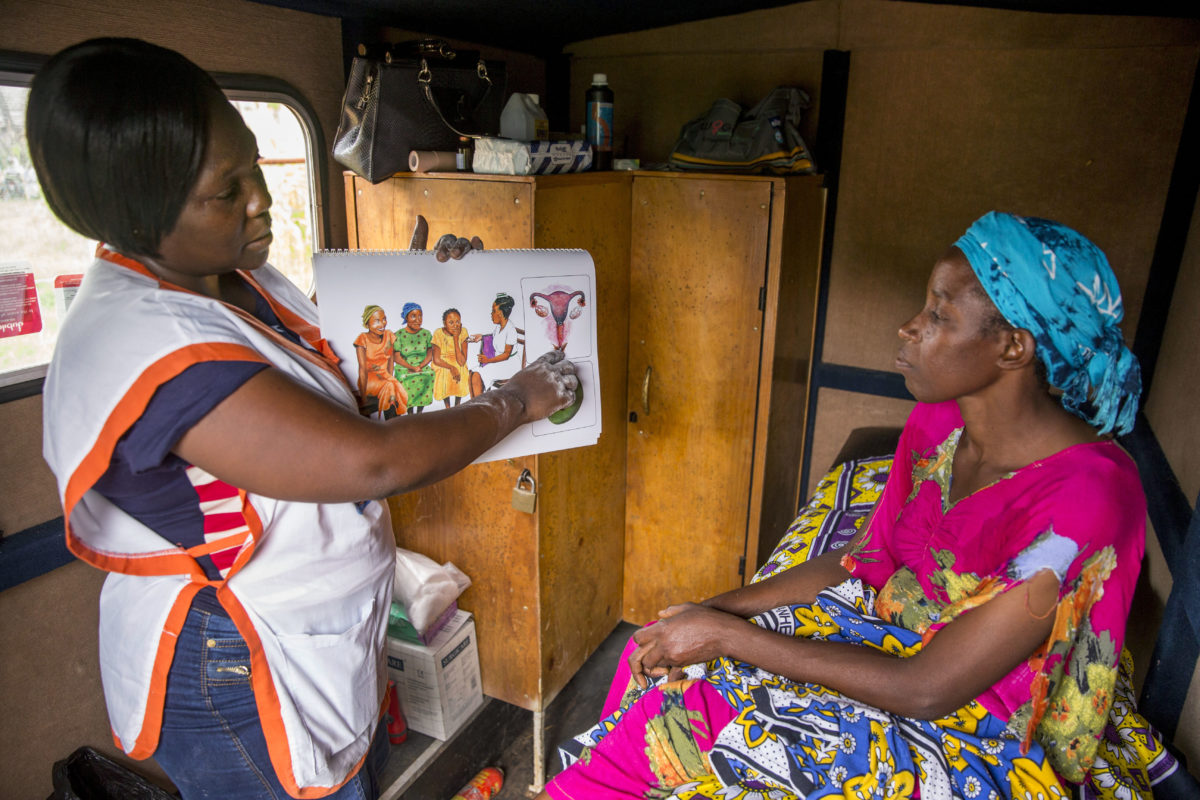
Cervical Cancer Prevention: A Life-Course Approach to SRH
Recently, Brittany Goetsch, a Program Officer on the Knowledge SUCCESS project, chatted with TogetHER for Health’s Executive Director, Dr. Heather White, and Population Services International’s (PSI’s) Global Medical Director, Dr. Eva Lathrop, on the integration of cervical cancer into broader SRH programming and what cervical cancer can teach us about a life course approach to SRH. In