



Religious Leaders: Allies for the Well-Being of Youth and Women
This webinar highlighted the role of religious leaders as important allies in promoting positive social norms for the reproductive health and well-being of young people and women, as well as the importance of partnerships and coalitions in building transformative community dialogue for positive change. It was jointly organized by the Passages Project (Institute for Reproductive Health,

Promoting Maternal Health Care Through Community Sensitization
The role of patriarchy in South Sudan was clear when Maper Village community chiefs and members resisted male midwives being deployed to Aweil Hospital's Maternity Ward. To combat the stigma, the South Sudan Nurses and Midwives Association (SSNAMA) piloted the “Safe Motherhood Campaign” for community engagement. They addressed misconceptions about maternal health care, helping to change
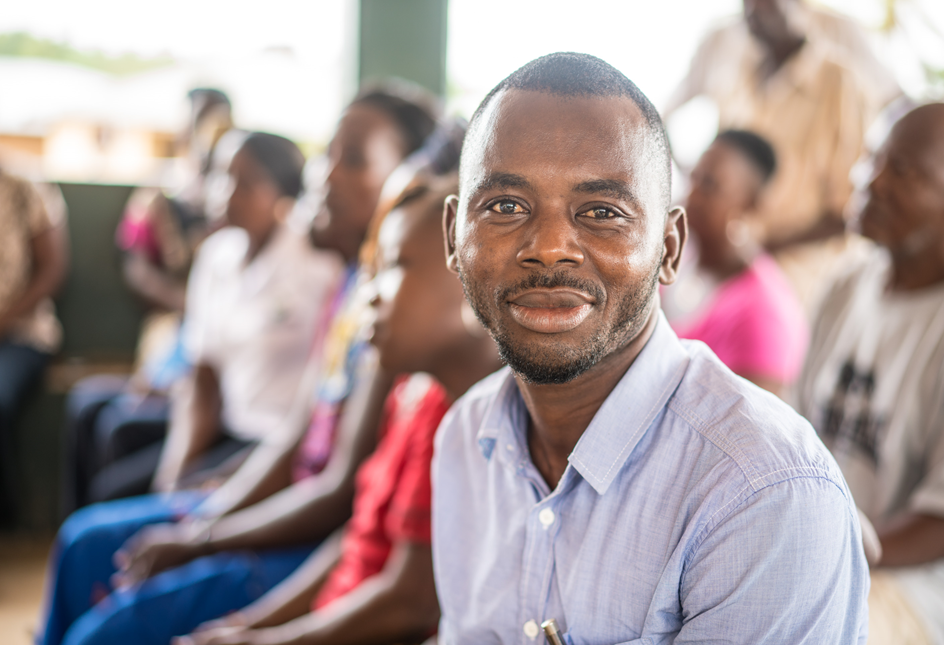
Recap: Using Social and Behavior Change to Meet Youth FP/RH Needs
On September 29, 2021, Breakthrough ACTION hosted a discussion on meeting youth family planning and reproductive health (FP/RH) needs. Attendees had the opportunity to participate in three discussions that highlighted Breakthrough ACTION’s resources and knowledge on expanding youth access to FP/RH services and information.
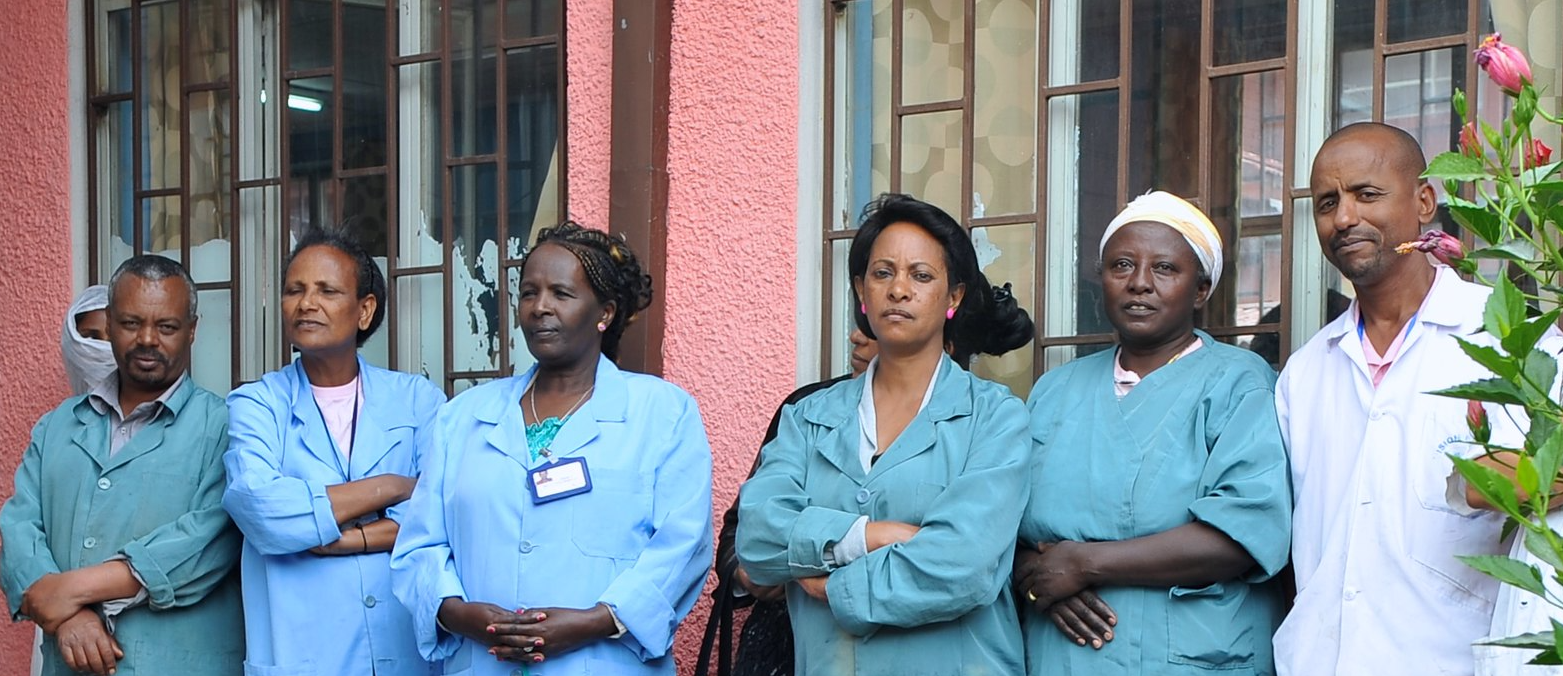
HIV and Contraceptive Service Integration for Female Sex Workers
Key populations, including female sex workers, face barriers to health care access that include stigma, criminalization, and gender-based violence. In many cases, these barriers can be mitigated by peer educators, who bring valuable insight and may engender trust with clients.

Increasing the Impact of Reproductive Health Programs
This piece summarizes a recent study by the USAID-funded Passages Project exploring social norms impacting the reproductive health of adolescent girls and young women in Burundi. We explore how the research findings can be applied in the design of reproductive health programs to identify and involve key influence groups that influence social norms.

Increasing the Impact of Reproductive Health Programs
This piece summarizes a recent study by the USAID-funded Passages Project exploring social norms impacting the reproductive health of adolescent girls and young women in Burundi. We explore how the research findings can be applied in the design of reproductive health programs to identify and involve key influence groups that influence social norms.

Leaders religieux : Alliés pour le bien-être des Jeunes et des Femmes
Ce webinaire a mis en évidence le rôle des chefs religieux en tant qu'alliés importants dans la promotion de normes sociales positives pour l'engagement communautaire dans la santé et le bien-être reproductifs des jeunes et des femmes, ainsi que l'importance des partenariats et des coalitions dans la construction d'un dialogue communautaire transformateur pour apporter un changement

Recap: Striving for Equality
On October 21, 2021, Breakthrough ACTION hosted a roundtable discussion on the topic of gender and social norms. This event provided an opportunity for those working in family planning and reproductive health to learn about Breakthrough ACTION’s work addressing gender and social norms across diverse country programs and to share their own experiences.

Harmonisation des mesures du changement social et comportemental dans le cadre de la planification familiale
Breakthrough ACTION crée, teste et applique à grande échelle de nouvelles approches hybrides du CSC en se fondant sur ses recherches novatrices, mais aussi sur son évaluation de programmes et de stratégies de CSC rentables éprouvés. Ensemble, ces projets jumeaux financés par l’USAID tirent parti des pratiques et des données relatives au CSC pour encourager les
Aligning Measures of Social and Behavior Change for Family Planning
Breakthrough ACTION develops, tests, and scales up new and hybrid approaches to SBC, informed by Breakthrough RESEARCH’s cutting-edge research and evaluation of proven, cost-effective SBC strategies and programs. Together, these USAID-funded sister projects are harnessing SBC evidence and practice to increase priority health behaviors for improved health and development outcomes.