



Recap of “Connecting Conversations” Series: Learning from Our Mistakes
On August 26, Knowledge SUCCESS and FP2020 hosted the fourth session in our new webinar series, "Connecting Conversations"—a series of discussions on adolescent and youth reproductive health. Missed this webinar? You can follow the links below to watch the recording and register for the fifth session in the first module.

20 Ressources essentielles de PF/SR pour les programmes francophones
Une collection organisée par Knowledge SUCCESS et Family Planning 2020 pour les professionnels de la planification familiale qui conçoivent et mettent en œuvre des programmes dans les pays francophones à faibles et moyens revenus.
Recap of “Connecting Conversations” Series Session Three
On August 19, Knowledge SUCCESS and FP2020 hosted the third session in our new webinar series, "Connecting Conversations"—a series of discussions on adolescent and youth reproductive health. Missed this webinar? You can follow the links below to watch the recording and register for future sessions.
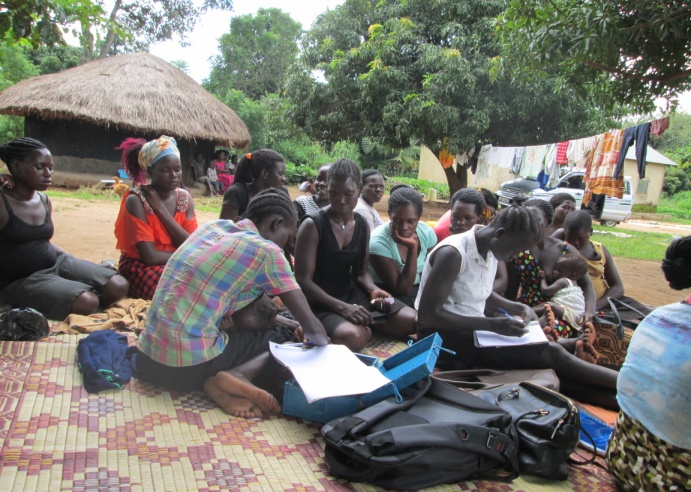
Mentoring Equips Girls and Young Women with the Knowledge, Skills, and Support to Overcome Challenges
Worldwide, girls and young women face a wide array of challenges to their health and well-being. Research on the impact of mentoring demonstrates the importance of positive role models and social support systems for improving health knowledge and outcomes. Our colleagues at FHI 360 share how they developed and implemented a multicomponent mentoring program Anyaka Makwiri

20 Essential Resources on Social Norms and Family Planning
Our inaugural 20 Essential Resources collection, curated with USAID's Passages Project, pulls together what you need to know to understand and measure social norms and social norms-shifting interventions and incorporate it into your work.

Monitoring COVID-19’s Effects on Family Planning: What Should We Measure?
On the supply side, we may be able to monitor availability of family counselors and contraceptives to meet needs during the COVID-19 pandemic. But what of the demand side? How can we monitor shifts in women’s family planning needs and preferences in light of the social and economic shocks they are facing due to the pandemic?