


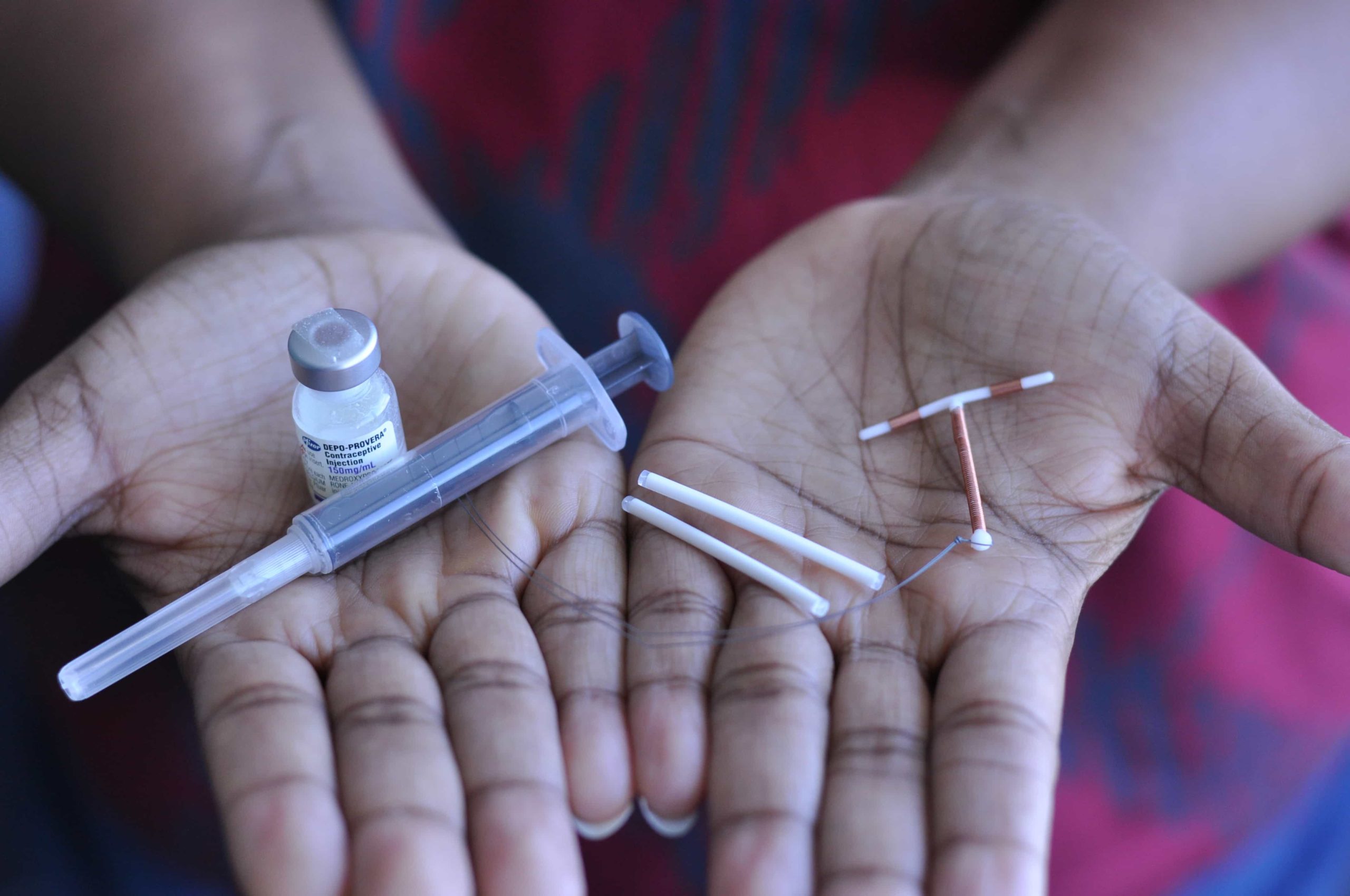
Unfinished Business for Access to Contraception and HIV Prevention
Findings from the ECHO trial led to an increased focus in HIV prevention in family planning programs. Here's what else needs to happen in the COVID-19 context.

Top 10 Voluntary Family Planning Articles of 2020
Before this remarkable year ends, we’re taking a look back at the most popular Global Health: Science and Practice Journal (GHSP) articles on voluntary family planning in the last year according to you—our readers—that garnered the most reads, citations, and attention.

Applying Lessons from Zika to COVID
One of the key components to efficiently responding to global outbreaks is learning and adapting from past experiences. Reflecting on these lessons and how they can be adapted to fit our needs during the COVID pandemic can save time and help ensure an effective response. Here, we share lessons learned and effective practices from the 2016-19
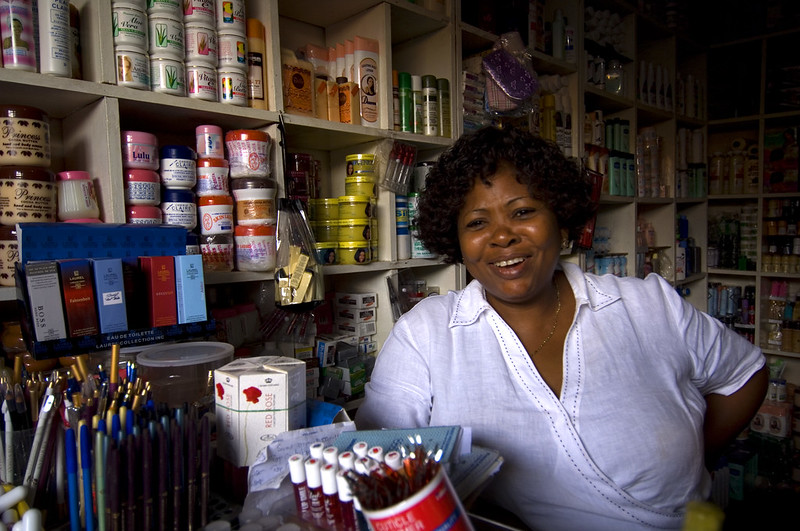
The Link Between Self-Care and Universal Health Coverage
As governments and global bodies collectively work toward universal health coverage, self-care is an important — if not critical — element. Self-care equips people to act as informed agents of and protect their own health, prevent disease, and treat illness, both with and without the support of a healthcare provider.

Postabortion Care and Postpartum Family Planning During COVID-19
Preserving voluntary family planning as an essential service amid the COVID-19 pandemic has been the clarion call for global actors in the family planning and reproductive health field. How do we also ensure that women seeking postpartum or postabortion care don’t fall in the gaps?

Introducing a Curated Collection: COVID-19 and Voluntary Family Planning Resources
Too much information can be almost as bad as too little. That's why we've collected the best resources on voluntary family planning during COVID-19—all in one convenient place.

Senegal: A Leader in Access to FP/RH Care During COVID-19
COVID-19 is demonstrating the impact of epidemics on the continuity of care provision, particularly for FP/RH. This is why, in addition to the measures taken to fight COVID-19, we realized the importance of carrying out parallel actions that guarantee the availability and continuity of essential RMNCAH services.
Le Sénégal : Un leader pendant la COVID-19 pour l’accès aux soins de PF/SR
L’expérience de la COVID-19 a démontré l’impact des épidémies dans la continuité de l’offre de soins particulièrement celle de PF/SR. C’est pour cela, qu’en dehors de mesures prises pour lutter contre la COVID-19, on a compris qu’il est important de conduire parallèlement des actions qui garantissent la disponibilité et continuité des services essentiels SRMNIA.
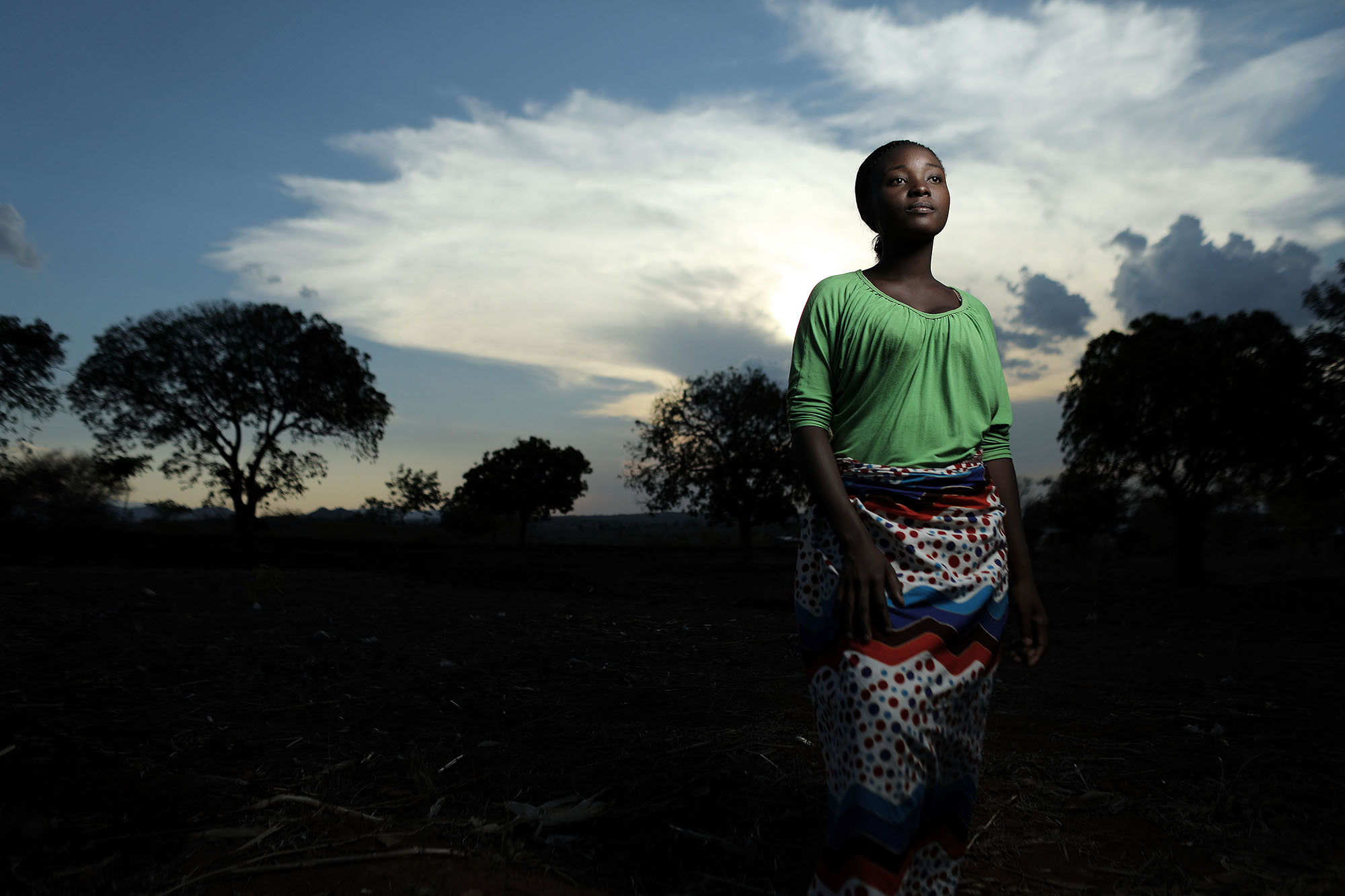
Gender-Based Violence in the Age of COVID-19
The IGWG GBV Task Force reviewed many of the GBV and COVID-19 technical resources delivered to our inboxes over the last few months and asked experts implementing GBV prevention and response activities during the pandemic to share resources they found most useful in their work. They highlight some of their favorites.
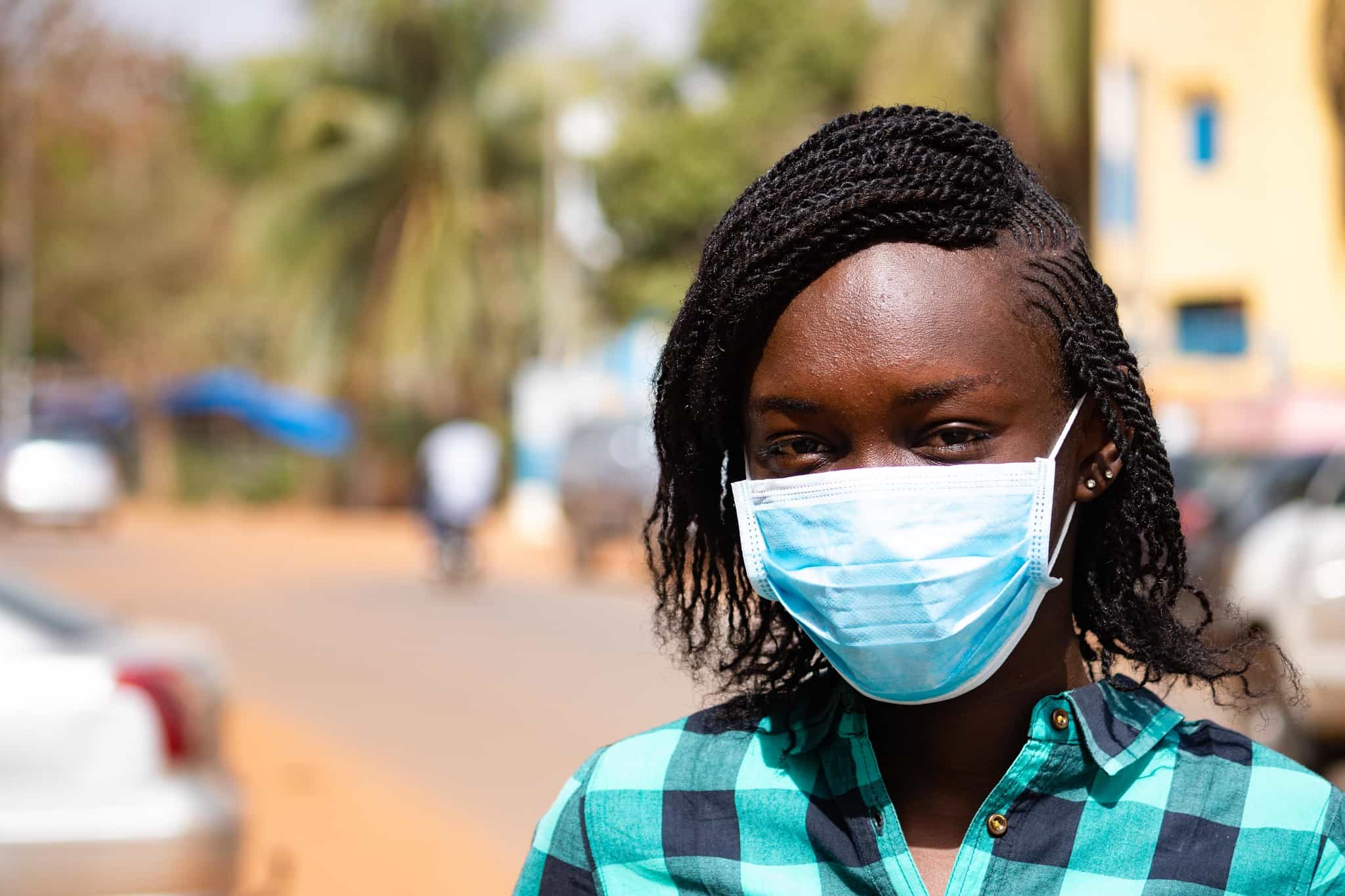
How Are Governments Ensuring that Voluntary Family Planning Remains an “Essential Service” During COVID-19?
In a variety of ways that suit their contexts, countries around the world have adapted international guidance on providing family planning care during the COVID-19 pandemic. Tracking the extent to which these new policies are successful in maintaining women’s access to safe, high-quality care will provide valuable lessons for responses to future public health emergencies.